
Why the First Ten Seconds Decide the Night
Big nights are won in a blink. At street carnivals by the harbour, festival laser lights set the mood before people even take a selfie (so fast, la). Picture this: the crowd gathers, the bass drops, and a crisp green beam climbs the sky. Studies from live events show early visual impact can lift dwell time and sharing intent by double digits. Yet many shows still miss that spark—why?
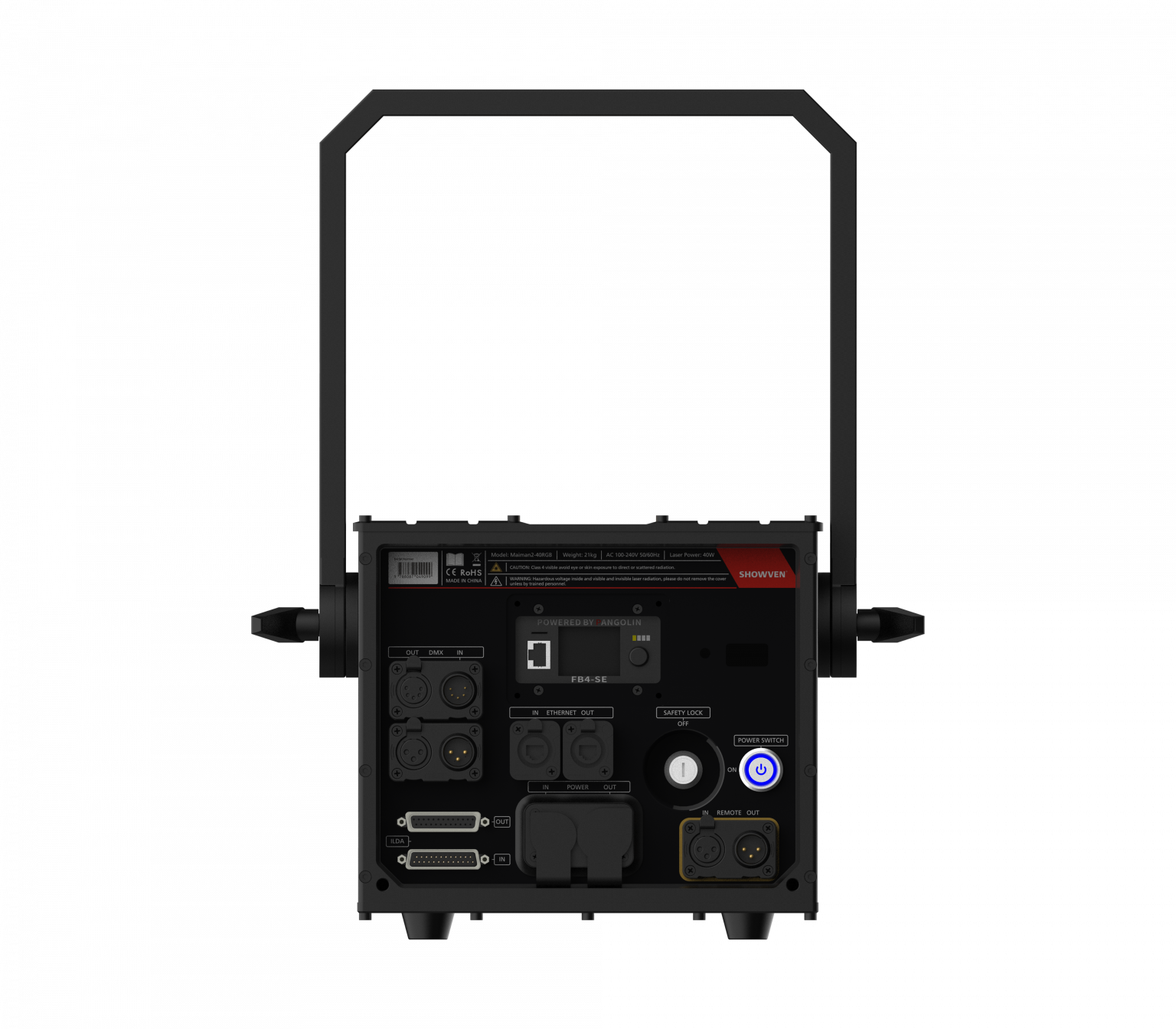
Here’s the thing. A laser rig lives or dies on basics like beam divergence, IP65 rating, and how stable the galvanometer scanners track under wind and heat. If those slip, the look goes soft and the rhythm feels off. And once the first ten seconds underperform, recovery is hard, even with great music. So the real question is not “How bright?” but “How controlled, how durable, how safe?” Let’s unpack the trade-offs and see which choices actually matter next.
Under the Hood: The Real Frictions in Laser Light Show Events
In many laser light show events, the pain points hide behind shiny beams. This is the technical bit, but keep it simple. Legacy rentals often rely on old ILDA-only routing, one or two DMX universes, and mixed-age power converters that drift under load. Result: flicker, color mismatch, and laggy cues. When galvanometer scanners run near their limit, frames stutter on fast chases. Add weak safety interlocks and poor beam attenuation maps, and you get operators forced to play it safe—too safe—dropping intensity and speed. The show looks tidy but flat.
What fails in the field?
Look, it’s simpler than you think. Weather hits first. Without a true IP65 seal, moisture creeps in, fogging optics and killing diodes. Then control. Slow pipelines push cues late; you press go, the crowd hears the beat, and the beam lands half a second after—funny how that works, right? Finally, power. Aging power converters add noise and heat, and hot days push thermal caps. Frames roll off, whites go pink, and alignment drifts. The audience just knows “something feels off,” but you know it’s scan speed, signal latency, and heat soak. Aiya, that’s money on the floor. The fix is not only brighter heads. It’s better pathing, faster cue control, and safer envelopes that let you run closer to the limit without crossing it.
Next-Gen Choices: How New Builds Outperform Legacy Rigs
Let’s look forward and compare by principle, not hype. Modern engines move compute closer to the stage. Edge computing nodes pre-buffer frames, while FPGA timing trims latency. That lets cues lock to the beat with less jitter, even in complex panoramas. High-efficiency diode modules cut heat, so scan mirrors hold alignment longer. When housings bring a real IP65, rainy-night worries drop. This is where waterproof outdoor decorative laser lights fit in naturally—sealed optics stay clear, fans work smarter, and airflow channels reduce dust load. Not magic. Just better engineering and fewer weak links.
What’s Next
We also see safer and wider shows through smarter mapping. Instead of blunt limits, newer systems apply zone-based attenuation and dynamic power clamping per audience area. That means stronger beams where it’s safe, softer near people, and no last-minute panic fades. Combine that with higher ILDA frame rates and tighter color calibration, and motion stays crisp. The crowd feels the speed. The operator feels in control. And yes—there’s still budget sense. Fewer emergency swaps, less downtime, and longer diode life add up. If you need a quick checklist to choose rigs and partners, go with an advisory lens: first, latency under load (measure end-to-end cue timing, not lab specs); second, environmental resilience (true IP65 sealing, thermal management, and fan design); third, operational safety depth (beam attenuation maps, interlocks, and audit logs). Keep those three, and you can scale shows across venues without rolling the dice. Same plan, different sites—and that’s often overlooked. For those building a long-term toolkit, the learning is clear: choose systems that keep sync tight, optics dry, and safety smart, then your art can run bold. You’ll feel it opening night. For a benchmark on how these choices come together in practice, see what teams discuss around Showven Laser.