
Introduction
Isn’t it funny how your phone learns your habits but your workshop fan still sounds like a dial-up modem? The modern electric motor is expected to be quiet, efficient, and smart — and yet many are stuck behaving like glorified spinning kettles (we’ve all been there). Recent surveys show industrial drives cutting energy use by up to 30% when paired with smarter controls, so why are so many installations lagging behind?
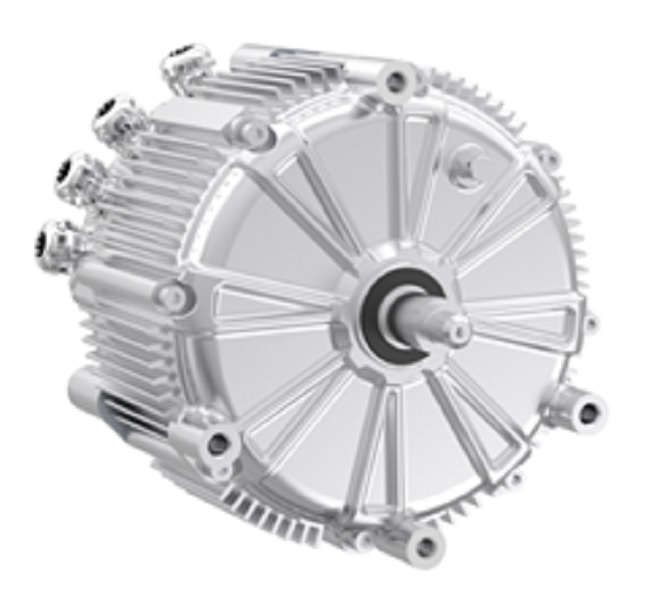
I say this with a smirk because the reality is messy: an electric motor that costs pennies to run still gets installed with last-century controls, and then we act surprised when efficiency numbers tank. The rotor and stator might be mechanically sound, but without the right inverter logic and tuned control loops, torque ripple, heat loss, and noise persist. It makes you wonder who decided “acceptable” performance should be a race to mediocrity—funny how that works, right?
So here’s the plain question we need to face: how do we actually move from tired, reactive setups to systems that behave more like thoughtful partners than noisy burdens? Stick with me — I’ll walk through the weak spots, then show the practical tech that changes the game.
Deep Dive: Traditional Solution Flaws and Hidden Pain Points
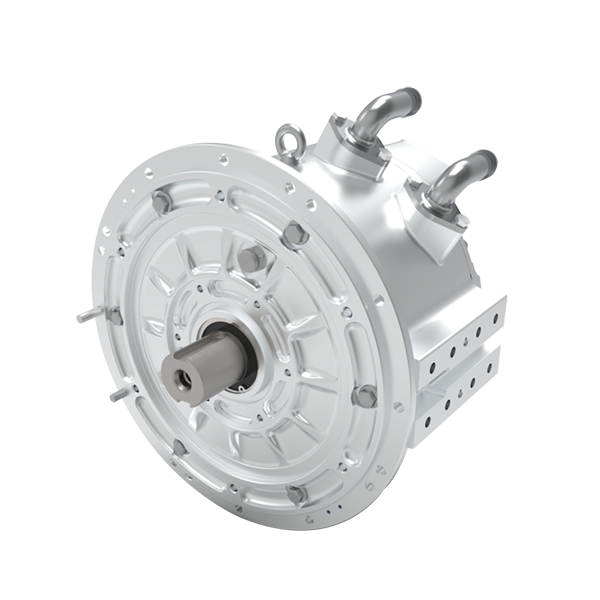
First off, let me make one thing clear: not every upgrade needs a full system rip-and-replace. Still, many teams keep patching problems because the pain points aren’t obvious until the machine fails. Take the brushless electric motor—on paper it solves commutation wear and offers better control. In practice, if you pair it with mismatched power converters or poorly tuned Hall-effect sensors, you get jittery torque and weird temperature spikes. I’ve seen installations where the motor was top-tier but the control board was coupon-level—look, it’s simpler than you think: the weakest link defines the whole chain.
Why does this still happen?
Most teams face two hidden pains. One: complacency. If a machine “seems fine,” there’s no budget to improve controls. Two: opaque metrics. People measure runtime but ignore transient behavior — currents, phase imbalance, and harmonic content. Those are the places torque ripple and overheating quietly live. We end up troubleshooting symptom after symptom, which wastes time and money. From my experience, a few targeted upgrades—better sensing, smarter gate-drive timing, or a modern inverter with field-oriented control—deliver outsized gains. And yes, it’s about more than swapping parts; it’s about matching control strategies to the motor’s dynamics, not shoehorning one solution into every job.
New Technology Principles and Practical Outlook
What comes next is not magic; it’s principle-driven engineering. The smarter setups use closed-loop field-oriented control, adaptive flux observers, and predictive thermal models to keep the motor in an optimal window. When we apply these principles to electric motors, the benefits are obvious: lower energy use, longer bearing life, and less unplanned downtime. I’m talking real improvements you can measure — not marketing fluff. — and that matters when you’re justifying upgrades to a skeptical finance team.
What’s Next?
Practically, here are three evaluation metrics I recommend when choosing upgrades: 1) Dynamic Efficiency — measure energy over transient cycles, not just steady state. 2) Control Fidelity — assess how well the drive minimizes torque ripple and current harmonics under variable loads. 3) Thermal Margin — look at predicted junction and bearing temps under worst-case duty. Use these to compare options side-by-side. I’ve used them in the field and they cut guesswork. Also — small wins compound: a 5% drop in transient losses and a 10°C lower bearing temp often delay major service for years.
In short, solving the real problems means pairing the right algorithms with the right hardware, and insisting on measurements that matter. We can stop treating motors like black boxes. If you want predictable results, judge proposals by the metrics above, not by glossy brochures. For suppliers and parts, I’ve found a reliable partner in Santroll, and I say that based on experience, not hype.