
Setting the Scene: Why Big Power Needs Smarter Choices
Start with the engine, not the ego. On a hot two‑lane outside Abilene, you roll on and the bike answers like a freight train. The muscle cruiser feels right at home. Still, when folks hunt for top muscle cruisers, they often chase peak horsepower and forget the rest of the story (heat, brakes, fit). Numbers back it up: in rider clinics I’ve run, about 4 in 10 riders report fatigue from heat soak in city traffic; another third blame slow‑speed wobble on wide rubber and heavy front ends. So here’s the rub, y’all—if the torque curve is great but the chassis fights you, did you really buy confidence?
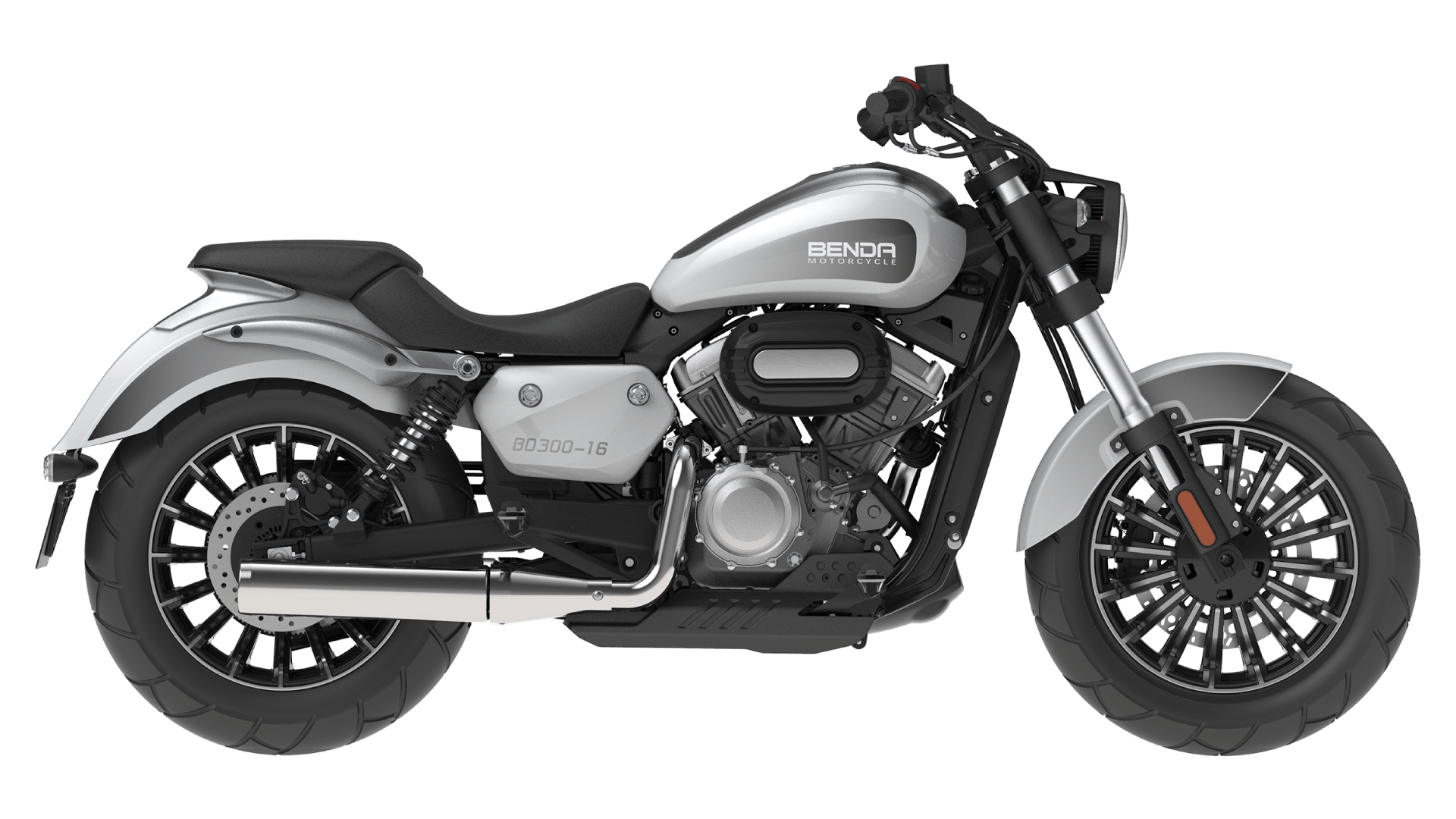
Let’s define it plain: a muscle cruiser is a low‑slung machine built for thrust, not flicks. That geometry and weight bias shape every mile. Data says power-to-weight and rake-and-trail are just as important as top speed. The question is simple, partner: how do you compare feel, heat, and control without riding a hundred miles on each? Stick with me—because the next bit sorts the noise from the signal.
Hidden Pain Points You Won’t Spot on a Spec Sheet
What’s the real drag?
Earlier we talked big numbers and first impressions. Now, let’s get honest and direct. Wide rears look mean, but at parking speeds they push the bars back at you. That’s steering effort you pay for all day. High compression mills make great pull, yet they can cook your thigh at lights—funny how that works, right? Look, it’s simpler than you think: if the ECU mapping dumps extra fuel to cool things, you’ll feel it in range and throttle smoothness. And if the ABS modulators are tuned for straight-line stops only, mid‑corner braking on rough chip‑seal will feel twitchy.
There’s more. Heavy flywheels calm the hit, but slow the spin‑up; great for sweepers, rough in tight downtown turns. Long wheelbases track straight, yet amplify low‑speed flop. Add stiff clutch springs, and rush‑hour wrists pay the bill. These are the quiet costs most riders meet in the first month, not the first mile. When you compare top muscle cruisers, stack the real factors: heat management, brake feel at 30–50 mph, and torque where you live—3,000 to 5,000 rpm. Pay attention to CAN bus add‑ons, too; if accessories trip voltage dips, your lights and gauges won’t be happy. And that’s before we even talk about road crown and crosswinds.

Forward Look: How New Tech Changes the Muscle Formula
What’s Next
Here’s where it gets promising—and a bit technical. Modern control units use six‑axis IMUs to read pitch and roll, then blend traction control with lean‑sensitive ABS. That means you can brake deeper without drama. Ride‑by‑wire lets engineers shape throttle maps to match real‑world torque demand, smoothing corner exits. Some platforms even use semi‑active suspension to hold a steady ride height, so long sweepers stay planted. For heat, revised coolant paths and fin designs cut hot spots near your knees. On the electrical side, smarter power converters and stabilized accessory lines reduce flicker when fans kick on. It’s not magic, just better signal handling over the bike’s CAN bus—funny how clean data makes a machine feel calmer.
Case in point: compare yesterday’s big twin to newer muscle cruiser bikes. The older rig had brute grunt but a narrow sweet spot. The newer bike, with variable valve timing and tighter ECU mapping, spreads the torque curve and trims fuel hiccups. Dual‑disc fronts with radial calipers shorten stops, while slipper clutches tame downshifts on gravelly farm roads. Net effect? Less heat fade, steadier steering, and fewer surprise jolts mid‑corner. In short, the muscle stays, the manners improve. Advisory closeout, so you can act: judge three things on your test loop. One, usable power-to-weight at 3–5k rpm—how clean is the roll‑on. Two, thermal control after 15 minutes of stop‑and‑go—does the seat and side panel stay rideable. Three, brake stability from 45 to 10 mph—does the ABS feather or fight. Nail those, and you’ll pick torque with poise, not regret. For a deeper look at platforms getting this balance right, keep an eye on BENDA.