
Introduction — a workshop morning, some numbers, a question
I remember a chilly morning on the shop floor: a fresh cup of tea, a hum from a spindle, and a job that would not hit tolerance. That small scene speaks to the wider issue many face today. CNC machining center manufacturers are often judged by throughput figures and uptime percentages, yet those same metrics can hide stubborn problems. Recent industry reports show repeat setups and scrap rates climbing by up to 12% in some midsize plants — puzzling and costly. So, why do precision machines still trip over the same obstacles when the tech seems so advanced? (We must ask.) This piece will peel back a few layers and lead into practical ideas you can test on your floor.
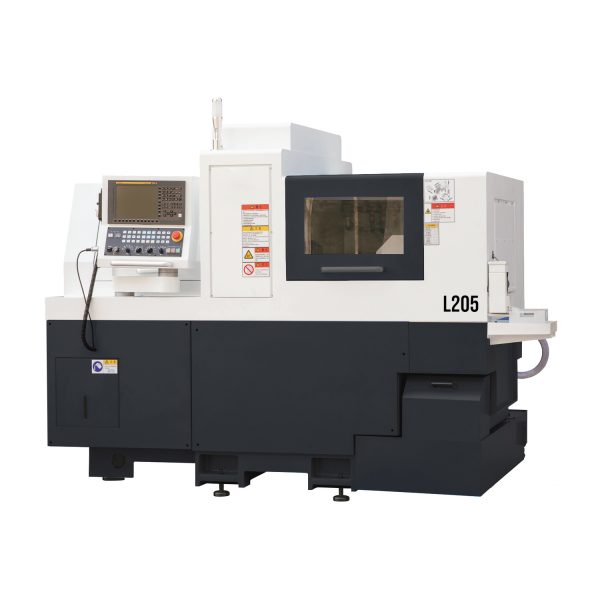
Part 1 — Where common fixes fall short (traditional solution flaws)
I want to be blunt: typical fixes rarely fix the root cause. When I talk to engineers they cite quick answers — tighter tolerances, faster spindle speed, or a fancy tool changer — as silver bullets. But those are often band-aids. For example, vendors promise higher spindle speed yet overlook axis backlash or subpar coolant system design; the result is chatter or thermal drift. I’ve seen plants add edge computing nodes to monitor vibrations, but without addressing poor fixture design the data only confirms what they already fear. Look, it’s simpler than you think — the problem often sits in the interface between machine, tool and shop practice. Tool wear patterns, inconsistent clamp force, and neglected power converters stack up. We feel frustrated when machines miss the mark; it’s human.
Why do common patches fail?
Because they treat symptoms. You can blame programming or blame operators, but the real pain is usually hidden — uneven coolant flow, slow tool-changer cycles, or poor changeover procedures that amplify small problems into big losses. I’ve learned to ask: which small issue, if fixed, will cut scrap and downtime? That single question leads to sensible prioritisation. — funny how that works, right?
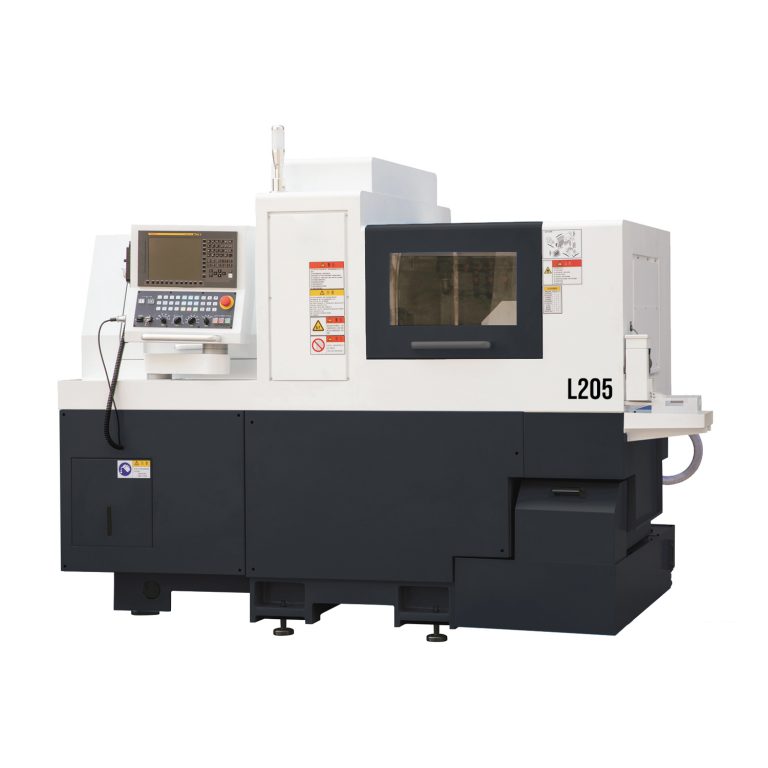
Part 2 — Looking forward: new technology principles and practical steps
Moving on, I want to map practical principles rather than sell a checklist. If you are considering a cnc machining center for sale, think beyond peak specs. Start with system thinking: align spindle dynamics, coolant delivery, fixture rigidity and control tuning as a coherent whole. New approaches emphasise closed-loop tool-life management, adaptive feed control and power converter stability to prevent micro-variations that blow tolerances. I’ve helped teams implement simple adaptive feeds that reduced scrap by measurable margins; the change was not dramatic overnight but consistent — and that consistency builds trust. We must pair sensors with clear corrective actions. Edge analytics matter, yes, but only when your shop knows what to do with the alerts.
What’s next for the workshop?
Adopt small experiments: trial an adaptive feed on one part, monitor spindle load and finish, then expand. Compare results in days, not months. Use basic metrics — spindle load variance, cycle-time deviation, and first-pass yield. If I recommend one thing: measure what you will change. Real improvements come from short loops of test, learn, and apply. Well, here’s the thing — tech is useful, but discipline wins.
Conclusion — three practical metrics to guide choices
To close, I’ll be direct and helpful. When evaluating machines or upgrades, focus on three metrics: first-pass yield (how often parts meet spec the first time), effective cycle time (including changeovers), and mean time to diagnose (how quickly you can find the cause of a fault). These tell you about both capability and daily reality. I prefer them over marketing numbers because they reflect what happens at the bench. My own judgement is that shops which track these regularly see clearer gains and less drama. If you follow this approach — real tests, small experiments, and the three metrics — you will make better buys and fewer costly mistakes. Visit Leichman for reference on machines and support options; they are one of the providers I look to when advising clients.