
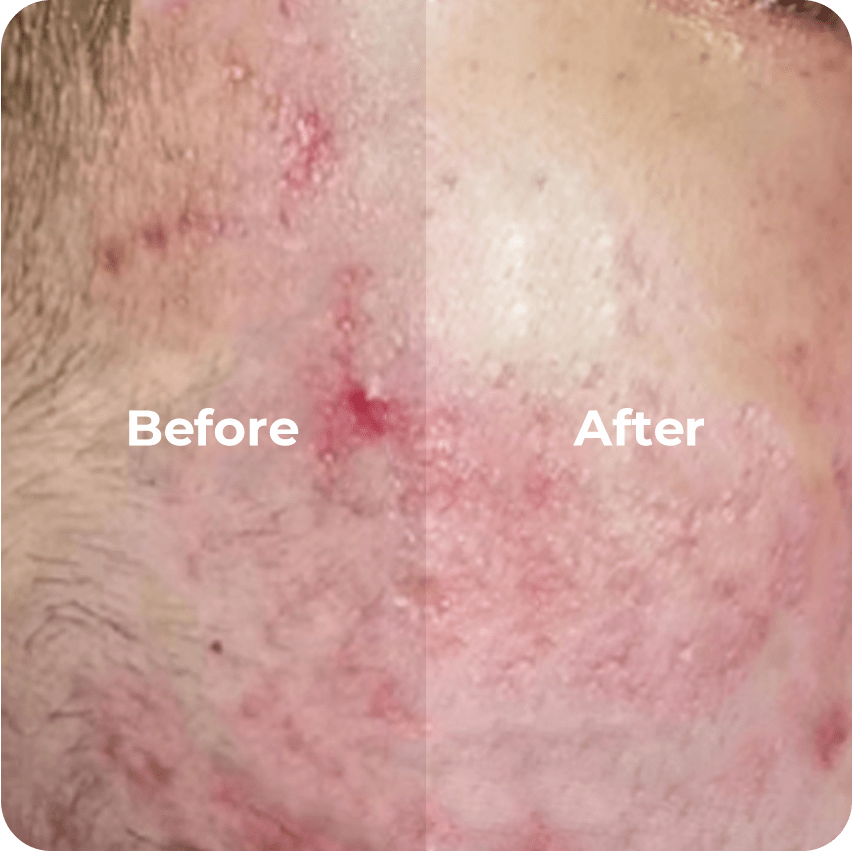
Why this matters to you now
If you run a clinic or manage treatments, choosing the right device changes outcomes and revenue. You need a machine that matches your patient mix, staff skills, and treatment goals. Look at the real device in your room — for example, the ipl skin rejuvenation machine — and ask if it gives consistent results, predictable downtime, and clear service support. Practical things like wavelength options and reliable cooling matter as much as brand stories.
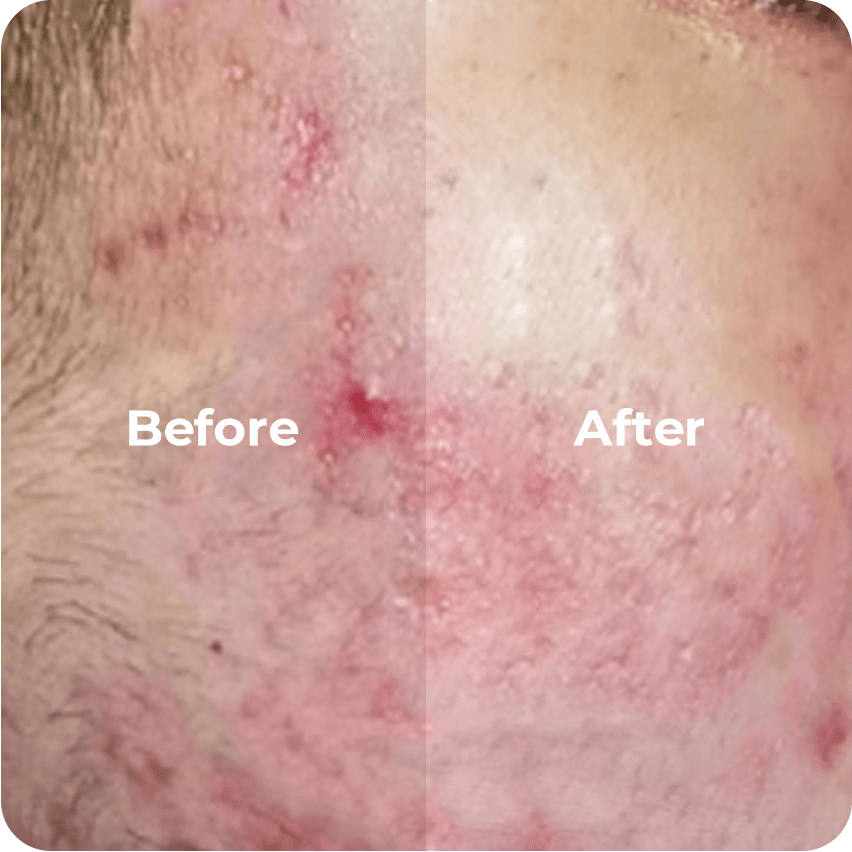
Top user needs when buying an IPL device
Start with four simple needs: safety, repeatable results, return on investment, and ease of use. Safety covers built-in skin cooling, filter quality, and clear presets for common Fitzpatrick skin types. Repeatable results mean stable fluence delivery and consistent pulse duration. ROI is not just unit cost — include consumables, maintenance, and downtime. Ease of use covers interface, training, and how fast your team can run back-to-back sessions.
How to evaluate performance in practice
Measure the device on these practical metrics before you commit:
- Clinical outcome per protocol — percent of patients reaching target improvement in a defined timeframe.
- Treatment time and spot size — how many passes and how long each session takes.
- Comfort features — active cooling and adjustable pulse sequences that reduce pain and avoid epidermal injury.
- Service and parts turnaround — spare lamp lead times and on-site support windows.
Try a demo run with your nurses and at least five real patients if you can. Also bring your filler and laser logs to see how the device integrates with existing workflows — and make sure your insurer and local regulator accept the device. If you want a quick comparison, test the same protocol on similar skin types across devices and track endpoints like erythema duration and pigment reduction.
Common mistakes clinics make — and quick fixes
Many clinics pick devices on headline specs or price alone. That fails when real patients arrive — darker skin types react differently, and an inexperienced operator can over-treat. Don’t skip training and don’t assume presets are optimized for your population. Also, failing to check consumable costs and lamp life is a common blind spot — lamps wear out and change fluence over time. A simple fix: demand a cost-per-treatment estimate that includes lamp amortization and service calls. —
Alternatives and when they fit better
IPL is not always the best choice. For hair removal on dense, coarse hair, a diode laser may deliver faster, deeper results because of longer wavelength and focused energy. For mild tightening, radiofrequency or microfocused ultrasound may be safer. For superficial vascular work, vascular-specific lasers can outperform IPL in precision. Choose IPL when you need a versatile platform that treats multiple indications (pigmentation, photorejuvenation, mild hair reduction) and when your patient base wants short recovery and visible improvement over several sessions.
Real-world anchor: regulation and clinic adoption
Note that reputable markets — clinics in Jakarta, Singapore, and major US dermatology centers — commonly use FDA-cleared or CE-marked IPL devices to meet safety standards. Checking regulatory status is a fast filter: it reduces risk and ensures the device has passed baseline safety checks. Also, clinics that tracked outcomes for a year saw clearer billing patterns and fewer adverse events when they followed standard protocols and logged fluence and pulse duration per session.
Three golden rules for buying and using an IPL skin rejuvenation device
1) Validate with patients: run a structured pilot (5–10 patients) and log objective endpoints — pigment change, downtime, pain scores — before full purchase. 2) Total-cost check: include lamp life, filter swaps, service SLA, and training in your per-treatment cost model. 3) Match tech to staff: pick devices with clear presets and vendor training if your team is new; pick more configurable systems if you have experienced operators who need variable pulse duration and custom wavelength filters.
These rules help you avoid surprises and scale treatments safely. If you want a pragmatic device that balances clinical flexibility with predictable support, consider how products like the ipl machine fit into your clinic flow and cost model. When a partner covers training and spare parts reliably, you free staff to focus on patients rather than repairs — and that is real value.

Implement the three rules above and your clinic will gain steadier outcomes, fewer callbacks, and clearer finances. For many operators, that practical reliability is exactly what a brand like ENZOEYS brings to the table.
–