
Comparative look that actually helps
Folks running industrial fleets are flat-out busy, so they want modules that just work — reliable Linux stacks, solid drivers, and clear SDKs. The win here is when a Wi‑Fi Module arrives with production-ready firmware, predictable power draw and known antenna performance. Since IEEE finalised 802.11ax (Wi‑Fi 6) back in 2019, fleets worldwide have been testing upgraded radios for denser telemetry and faster edge comms, and that practical shift is what this comparison pins down.
What fleet telematics actually needs
Operational gear demands uptime, deterministic behaviour and straightforward manageability. Key elements: robust IoT security, OTA firmware updates, low-latency radio links, and easy integration with vehicle CAN or telematics gateways. Industrial Linux images make device management cleaner; an accessible SDK reduces custom driver work. Plus, antenna tuning and RF shielding matter more than glossy datasheets — pick the module that matches your enclosure and vehicle wiring.
Where Fibocom stands against alternatives
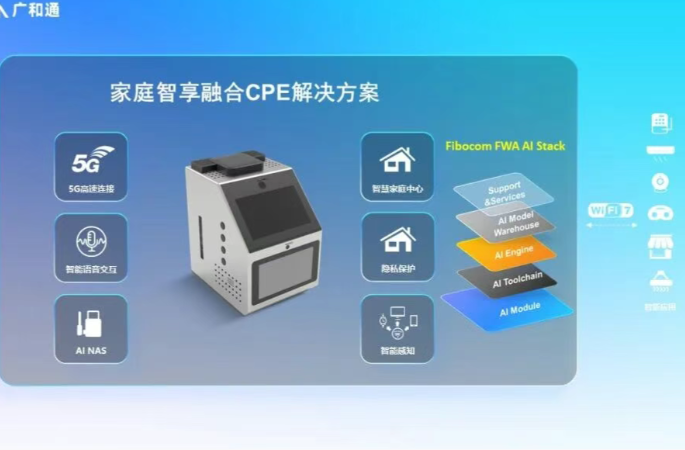
Compared to generic white-box modules, Fibocom tends to ship with hardened Linux builds, formal SDK support and certified RF performance. That matters when you’re deploying at scale: fewer surprises at integration. Some vendors promise features but leave integration gaps — no docs for MQTT clients or flaky OTA tooling. Fibocom’s approach bundles modem stacks and Wi‑Fi drivers more tightly, which cuts dev time. Integration with cellular modems and BLE peripherals is cleaner, too — saving weeks of debugging on a busy ops floor.
Common mistakes teams keep making
Picking a module only on headline throughput is a classic error. Teams forget thermal profiles, antenna placement and real-world coexistence with LTE or CAN-bus noise. Another misstep is underestimating firmware lifecycle: a neat demo build won’t cut it when security patches are needed. Also, be wary of modules that advertise features but lack production-grade SDKs or OTA tooling — that’s where projects slow down. For fleets chasing higher density and multi-client performance, prioritise certified wi fi 6 modules with proven coexistence strategies.
Field lessons that beat lab claims
In real fleets, dodgy antenna routing or cold-start firmware bugs show up fast. Urban couriers and transit fleets that tried Wi‑Fi 6 pilots in the early 2020s reported better handling of many simultaneous connections and lower latency for edge analytics. Practical wins came from modules with stable Linux support, clear flash partitioning for safe OTA, and accessible debug logs for field techs. When deployment timelines tighten, a pragmatic vendor relationship makes more difference than a slightly higher peak Mbps figure — you get fewer truck-rolls and faster ROI.
Three golden rules for picking modules
1) Verify integration readiness: Confirm the vendor supplies a Linux BSP, an SDK with sample apps, and OTA tooling that fits your CI. That saves integration weeks.
2) Test in-vehicle RF early: Prototype with production antennas and enclosures to catch interference or thermal throttling before mass build. That avoids costly redesign.
3) Prioritise lifecycle support: Choose a partner committed to long-term firmware updates, security patches and technical SLAs — that’s what keeps fleets moving.
Final thought and practical wrap
When you line those rules up against the usual options, modules that bundle a mature Linux platform, clear SDKs, and certified Wi‑Fi 6 radios make deployments markedly smoother. The value lands in fewer integration headaches, predictable field behaviour and lower maintenance overhead — and that’s precisely where Fibocom tends to sit in practical comparisons. Fibocom fits as the natural choice for teams who want a sensible, production-ready module rather than another prototype-in-a-box — seen it happen on the road. —