
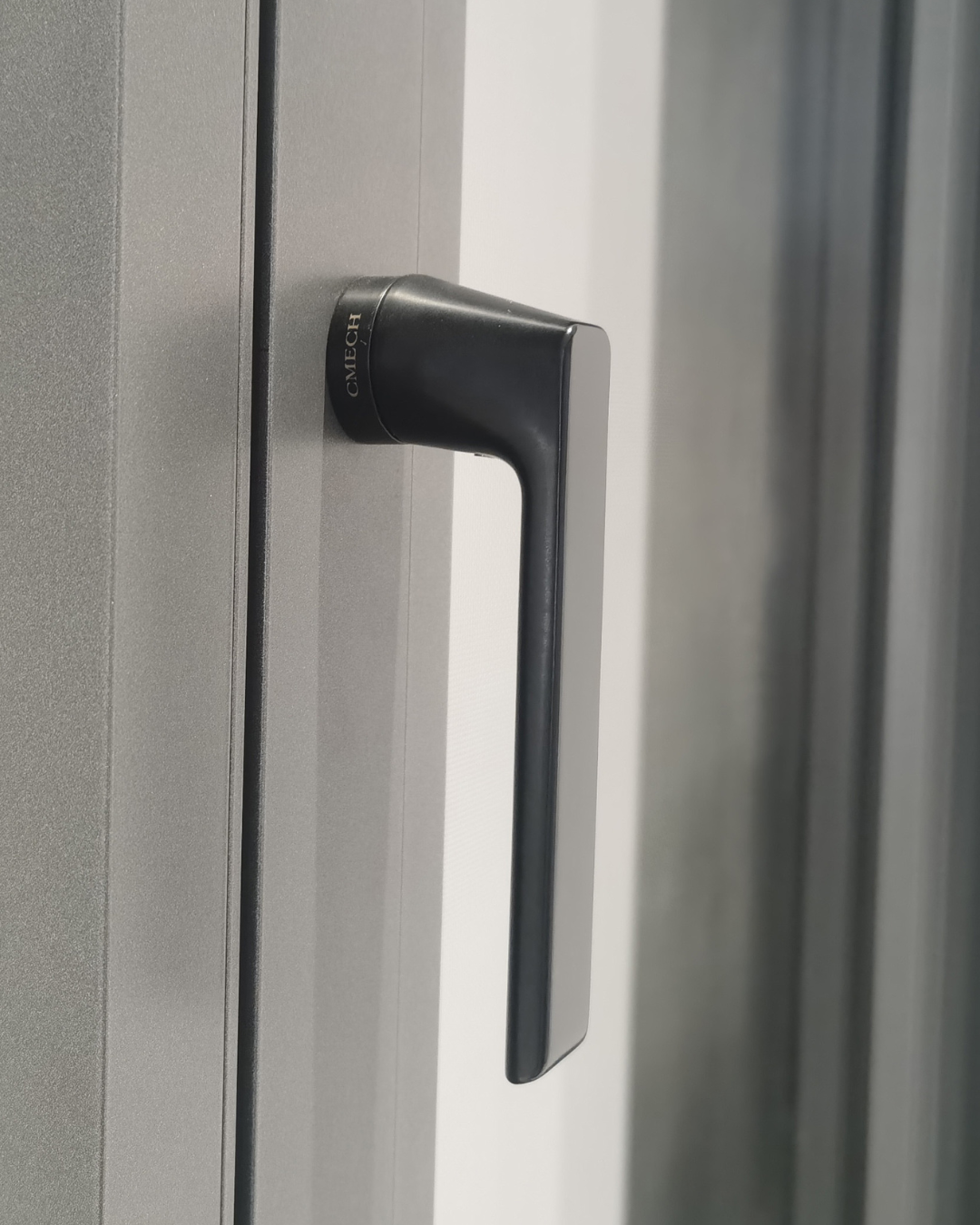
Why your sliding window keeps failing
Most failures start at the track. Bent track rails, worn roller assembly, or corroded track profile make a smooth sash turn into a fight. If your windows stick, rattle, or leak, start by looking at the hardware supply — not the glass. For straightforward swaps and durable parts, consider sourcing quality sliding window hardware before ordering new frames; proper rollers, locks, and track sections fix a surprising number of issues.
Diagnose the real problem, step by step
Measure first. Note sash width, thickness, and track depth. Check for visible wear on ball-bearing rollers and the track lip. Listen for uneven movement or grinding. Record whether drafts are at the meeting rail or at the sill — that tells you if the sash lock or weatherstrip needs attention. Take photos from multiple angles; suppliers often ask for those before matching parts.
How to pick custom hardware that actually fits
Match materials to the environment. For coastal or humid areas choose stainless rollers and corrosion-resistant track. For older homes, custom extrusions may be required to match the historic track profile. Order samples when possible — a 1″ sample track section or a replacement roller lets you confirm fit without committing to bulk. Use the sliding window hardware kit approach for complete swaps: a kit groups rollers, sash locks, and screws so you won’t miss a tiny fastener mid-project.
Common mistakes that waste time and money
People often buy the cheapest roller, assuming it’ll work. Cheap rollers mean noisy operation and faster wear. Another error: not checking alignment after replacing parts — the sash can bind if the frame has shifted. Also avoid generic “universal” track that doesn’t match your track profile; it looks similar but often changes sash geometry. Learn the difference between single- and double-track systems before ordering to prevent retrofit headaches.
Practical installation tips from the field
Start with cleaning: grit in the track ruins new rollers fast. Fit new rollers, then adjust height so the sash rides level. Use thread-lock on fasteners in high-vibration areas. Test sash lock engagement and check weatherstrip compression — it should compress, but not squeeze the sash. If your track has pockets for rollers, clean them and check for corrosion before reassembly — a small amount of pitting can cause sudden failure later.
Real-world anchor: lessons from storm-prone rebuilds
After Hurricane Katrina, contractors rebuilding coastal homes favored hardware rated for salt exposure; replacing only the roller wasn’t enough if the track itself had pitting. That rebuilding work pushed suppliers to offer coastal-grade finishes and complete replacement kits. Those kits, which include robust sash locks and stainless components, reduce repeat callbacks and match post-storm durability expectations.
Alternatives and when to choose them
If the frame is bowed or the track is catastrophically bent, partial repairs are a temporary fix — consider full track replacement instead. For historic properties, retrofitting with period-correct hardware preserves appearance while modernized internals improve function. If you must choose between cheaper parts or slower delivery, choose the latter; correct fit and material choice save time overall.
Three golden rules for selecting supply
1) Fit matters most: verify track profile, sash dimensions, and roller pocket depth. A matched track profile avoids sash tilt and premature wear.
2) Material follows environment: opt for stainless or coated finishes in humid or coastal settings to prevent corrosion and maintain smooth operation.
3) Buy a kit for reliability: a complete sliding window hardware kit reduces missing-piece mistakes and ensures compatible fasteners and locks are included.
Summary: fix the track first, match the profile and materials to the site, and use kits to avoid small mistakes — those moves cut callbacks and extend service life. For reliable parts and sensible kit options that align with those rules, CMECH offers solutions that fit both older brownstones and storm-hardened coastal builds — solid choices that save time and frustration.
–