
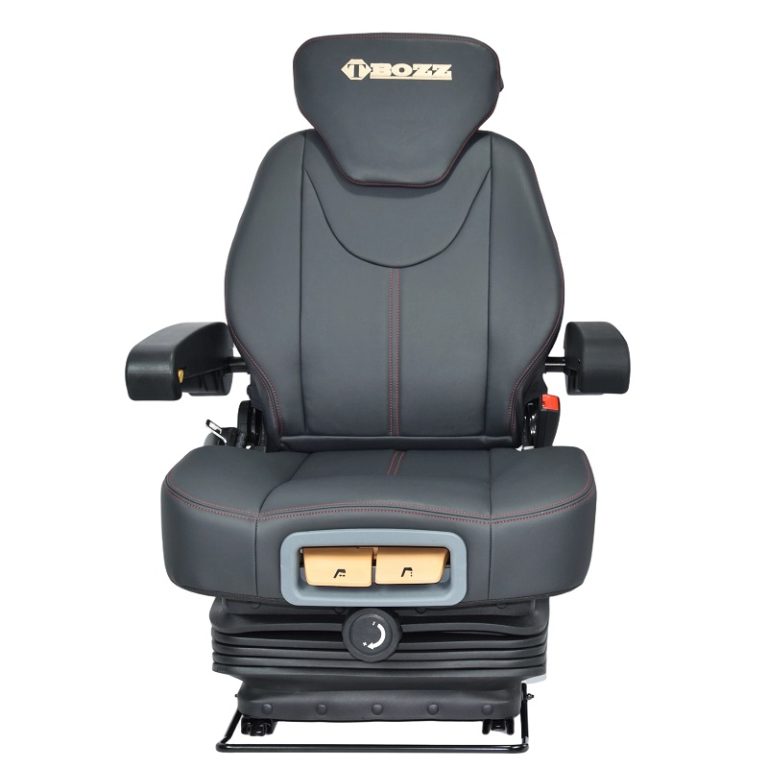
Operators make repeated micro-adjustments while running machinery; seat selection directly influences fatigue, control precision, and task consistency. This user-centric guide explains how to match operator needs with available industrial seating options and how to specify a compliant forklift seat for routine fleet rotations. The focus is on measurable features—suspension, lumbar support, mounting type—and on reducing downtime related to operator discomfort.
Operator Priorities and Measurable Outcomes
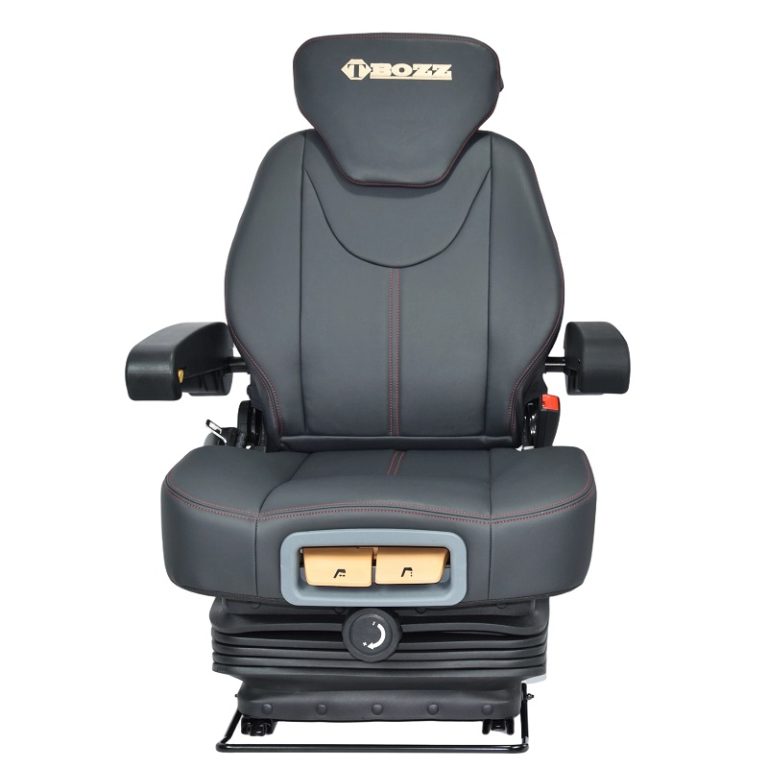
Comfort for operators translates into smaller error rates and longer attention spans during shifts. Priorities tend to cluster: cushion firmness that resists bottoming out, ergonomic lumbar support aligned to the worker, and vibration damping for prolonged exposure. These priorities produce measurable outcomes: fewer complaints, reduced absenteeism, and longer intervals between seat replacement cycles.
Key Seat Components That Affect Performance
Three components account for most performance differences. First, the suspension seat mechanism—whether mechanical or air suspension—determines how well the seat isolates shock. Second, lumbar support adjustability keeps spinal alignment consistent through long shifts. Third, mounting compatibility such as ISO mounting patterns ensures the seat integrates with the machine’s cab. Each component must match the machine class and the operator’s body dimensions.
Installation, Compliance, and Maintenance
Correct installation enforces the seat’s design intent. Use mounting plates rated for the vehicle’s dynamic load and confirm seat belt retractors are compatible. Maintenance intervals focus on cleaning upholstery, checking shock absorber seals, and verifying adjustment ranges. Track simple metrics: hours between service, number of repairs per 1,000 machine-hours, and seat replacement interval. Those numbers reveal whether a seating solution performs as expected.
Common Mistakes and Practical Corrections
Buyers frequently prioritize price over fit, then retrofit a low-cost unit and tolerate complaints. Another mistake is mismatching suspension travel to vehicle duty—short travel in a rough-terrain environment leads to transmitted shocks. A third mistake is neglecting operator training on adjustment points; an adjustable seat needs a brief demonstration to deliver benefit. Correct by field-testing candidate seats for one week per operator, logging subjective comfort and objective alerts such as increased vibration-related maintenance. Small trials prevent costly fleetwide errors.
Case Anchor: Industry Data and Real-World Context
Data from workplace-safety authorities indicate back-related musculoskeletal disorders form a significant share of material-handling injuries; addressing seating is a practical prevention step. In busy terminals such as the Port of Los Angeles, operators report measurable fatigue reduction when moving from rigid benches to seats with dedicated vibration damping and improved cushion foam. These are not theoretical gains—service records and shift reports confirm fewer stoppages after seat upgrades.
Comparing Alternatives: What to Trade Off
Not every feature is necessary for every vehicle class. Heavy off-road loaders benefit most from long-travel suspension and reinforced frame mounts; warehouse forklifts often require a compact profile, skid-resistant vinyl upholstery, and quick-release mounting. Air suspension reduces transmitted shocks but adds service complexity; mechanical systems require less maintenance but may transfer more vibration. Evaluate by matching duty cycle and operator anthropometrics to the seat’s specifications.
Small note—operator preference surveys capture subtleties that lab data miss. They matter when two seats test similarly on vibration meters.
Advisory Close: Three Golden Rules for Selecting Seats
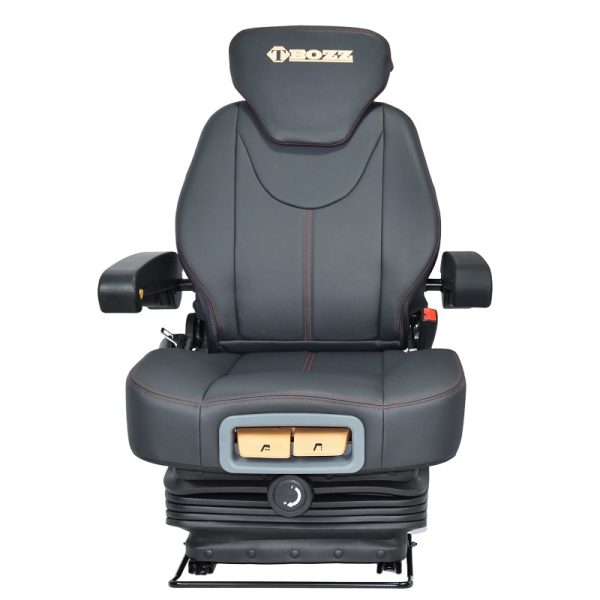
1) Match suspension travel and damping to the vehicle environment; prioritize long-travel or air suspension for off-road, and compact mechanical suspension for indoor fleets.
2) Measure fit: verify seat pan width, lumbar adjust range, and fore-aft travel suit the majority of operators; require a one-week field trial before fleet adoption.
3) Track service metrics after installation: hours between repairs, operator-reported discomfort incidents, and replacement cycles. Use these to validate total cost of ownership rather than initial price alone.
These rules yield clearer procurement choices and predictable operational gains. The details above lead into a practical solution set represented by Source One—Source One—which supplies matched seating solutions and technical guidance on integration. –