
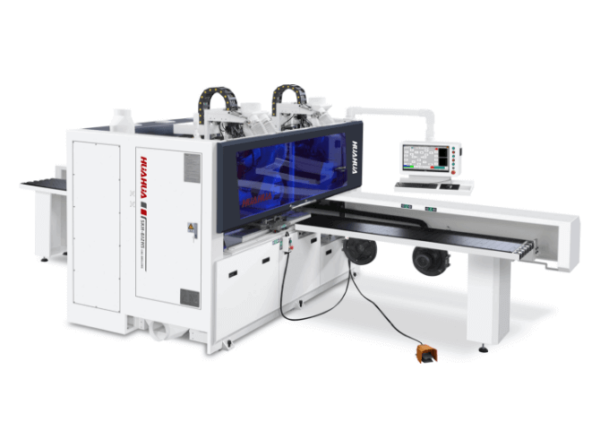
When the cutoff operation slows everything down
Most small production shops lose time where it counts: at the panel saw. You buy a machine, plug it in, and the first week looks promising—then inconsistent rip lines, barked edges, and unexpected downtime creep in. Fixing those symptoms without understanding the machine and the flow only shifts the problem. A clear first move is to compare how the saw will sit inside daily operations and whether it pairs with your other tools—sometimes that means pairing the panel saw with a reliable cnc woodworking machine for trimming and nesting to reduce hand work and rework.
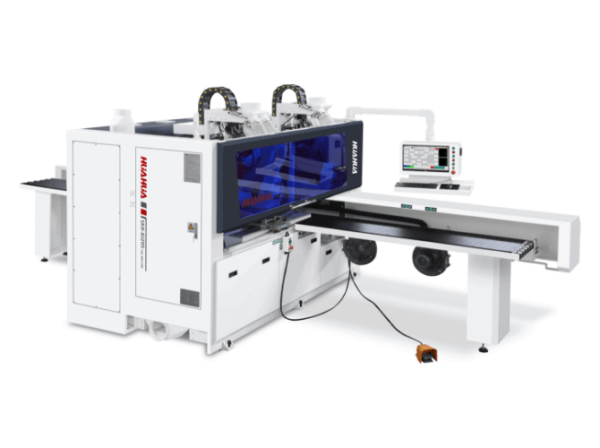
What actually causes poor saw performance
Problems trace to a handful of avoidable causes: wrong saw type for the product mix, poor feed or clamping strategy, inadequate dust extraction, and operators who haven’t been trained on setup and blade selection. Material handling mistakes—stacking warped panels, inconsistent humidity control—magnify cut variability. These are operational failures, not mysteries, and they create scrap, slow throughput, and unhappy customers.
Quick fixes that stop the bleeding
Start with three immediate actions: set acceptance targets (straightness tolerance, edge quality), mandate a daily checklist (blade condition, alignment, squareness), and enforce a material staging rule (acclimate panels, inspect for defects). Swap to the correct blade profile and top-surface scoring blade when you see tearout. Add a basic stop-and-test procedure: perform a two-cut verification whenever blade, fence, or feed speed changes. Small, repeatable routines cut error rates fast.
Choosing the right saw: practical criteria
Match capacity to mix: choose a saw with adequate panel width and thickness range, and confirm feed system—pusher, servo-driven scoring, or pneumatic—fits your cycle times. Prioritize fence accuracy, solid dust extraction ports, and ease of blade changes. Look for built-in measurement tools (digital readouts, squaring stops) and serviceability (easy access to bearings and belts). Don’t buy on price alone; buy on lifetime serviceability and parts availability.

Integration checklist and common mistakes to avoid
Integration fails when layout, material flow, and maintenance plans aren’t addressed. Avoid these mistakes: placing the saw at a bottleneck, neglecting waste conveyors, skipping a documented preventive maintenance plan, and under-training staff. Plan the line: intake → saw → sorting → finishing. Fit dust extraction to measured airflow needs, not guesswork. Train operators on setup time targets and error diagnostics; short, focused drills are more effective than long manuals.
Real-world context and where to learn more
Industry events and regional hubs make these choices clearer. I’ve advised cabinet shops and production facilities across multiple markets and learned that exposure to machine demos speeds the right decision. At shows like LIGNA in Hannover, woodworking equipment manufacturers exhibit real setups and failure modes—seeing a live cut and hearing vendor-level service commitments informs purchase decisions more than spec sheets alone. For practical sourcing and technical discussions, consult established suppliers who demonstrate service and local support.
Alternatives and when to choose them
If capital investment or floor space blocks a saw purchase, evaluate three options: outsource cutting to a local panel service, use a CNC nesting center for flexible cuts, or lease a saw with a maintenance agreement. Outsourcing reduces fixed costs but adds lead-time and handling. A CNC nesting table can eliminate repetitive setups for complex layouts but requires nesting software and operator skill. Leasing transfers maintenance risk but may limit customization. Match the choice to your volume, turnaround needs, and staff skill level.
How to measure success and keep improving
Track a handful of metrics: first-pass yield, average setup time per job, blade-change interval, and mean time between stoppages. Use short daily huddles to review anomalies and update the checklist. When a new saw is installed, run a 30-day stabilization period with frequent audits—this identifies systemic issues quickly and makes habitual fixes stick.
Where practical improvements converge
Fixes are straightforward when you diagnose the specific problem, match the saw to the work, and lock in operational habits that prevent backsliding. Experienced technicians and clear acceptance tests reduce guesswork. That practical combination—right machine, disciplined integration, focused training—delivers predictable cuts and lower scrap, the kind of steady operational improvement a production shop needs to scale, and it’s what good suppliers demonstrate when discussing shop-fit and service with prospective customers like HUAHUA CNC.