
Buyer problems and why clear terms matter
Buyers often confront a dense set of labels and acronyms that hide practical differences between systems; this causes mis-specified purchases, incompatible components, and excessive cost. A common scenario: a homeowner requests an intelligent energy solution and receives a quote that mixes monitoring capabilities with inverter specs while omitting whether the system supports isolated, off-grid operation—an omission that matters if the property requires an off-grid inverter. Clarifying terminology up front prevents those failures and frames realistic expectations for performance, interoperability, and service life.
Core technical terms buyers must understand
Good procurement begins with precise vocabulary. Below are the terms most likely to change decisions and budget; each entry explains practical impact rather than abstract definition.- Inverter topology and switching frequency: describes how DC becomes AC. A high switching frequency can reduce transformer size and weight but changes efficiency curves and electromagnetic behavior; consider a high frequency inverter only after reviewing harmonic performance and cooling requirements.- Nominal power vs continuous rating: nominal (peak) numbers attract attention, but continuous rating defines safe long-term output.- Round-trip efficiency (storage systems): the percentage of energy recovered from battery discharge relative to charging input—key for payback calculations.- Depth of discharge (DoD) and cycle life: specify usable battery capacity and expected replacement intervals.- Communication protocols and standards: Modbus, MQTT, IEEE 1547 compliance—affect integration with home gateways and grid services.- Power factor and harmonics: poor power factor or high harmonics can trigger penalties or cause nuisance trips in local distribution networks.- Supervisory vs real‑time monitoring: supervisory systems report aggregated consumption; real‑time systems enable automated control and fast demand response.- Islanding capability and seamless transfer time: required when a property must continue supplying critical loads during grid outages.
Common procurement mistakes and how to avoid them
Problems usually follow predictable paths. Identify these to reduce risk:- Purchasing by headline specs: verify continuous ratings, derating factors for temperature, and empirical efficiency curves.- Ignoring communication compatibility: ensure the chosen energy management controller speaks the same protocol as meters and inverters.- Overlooking harmonic and EMI data: installations in dense urban settings, such as rooftop arrays used in Dubai residential projects, have experienced nuisance trips when high-frequency switching devices were installed without harmonic mitigation.- Assuming one-size-fits-all warranties: confirm whether warranty terms cover on-site labour, firmware updates, and extended component replacement.- Neglecting commissioning and maintenance plans: specify acceptance tests, PV curve verification, and periodic inspections in the contract.
Comparing inverter and monitoring approaches
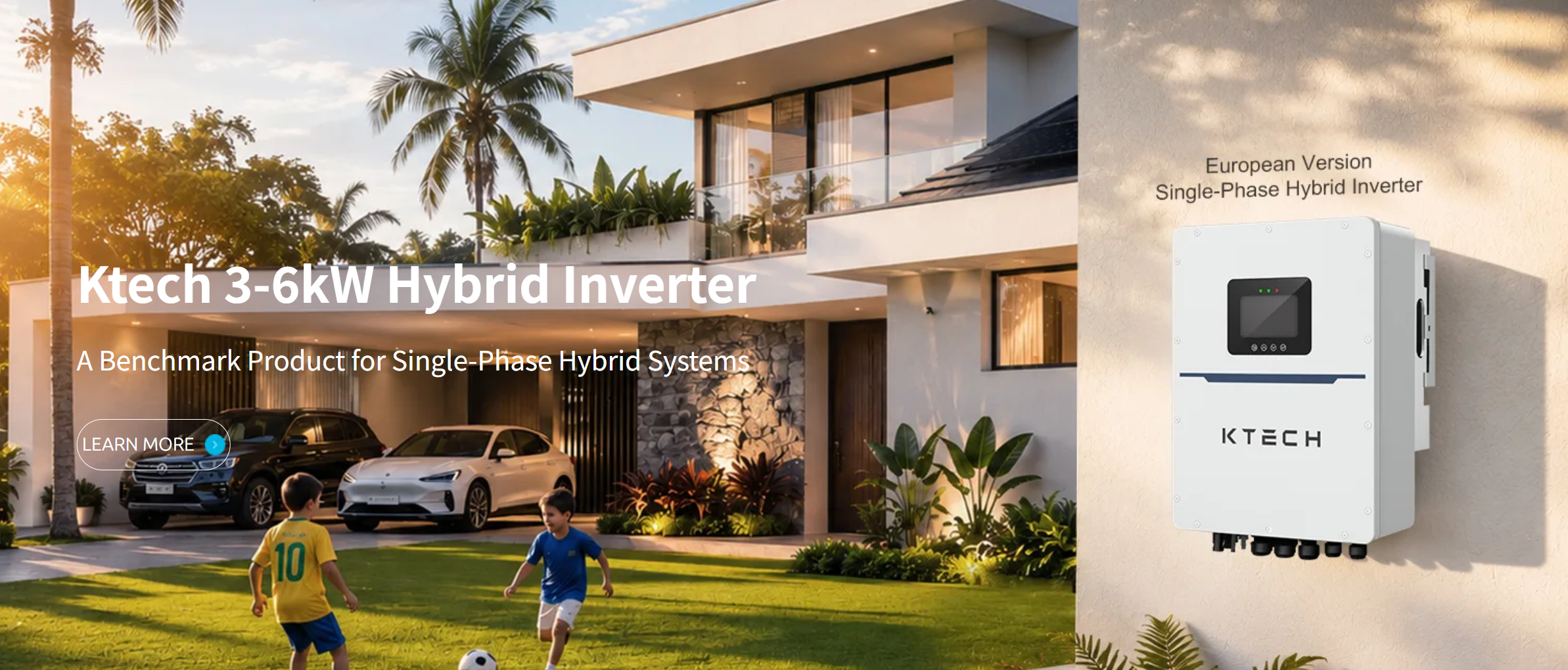
Selection typically narrows to a few architectures. Evaluate these trade-offs with your site constraints and service expectations in mind.- Central string inverters: efficient for uniform arrays, cost-effective for larger roofs, but single point of failure unless paired with smart switching.- Microinverters: per-module MPPT and resilience to shading; greater upfront hardware count and potentially higher warranty complexity.- High frequency inverters: compact and lightweight, often favored where physical space and weight are constrained; verify harmonic figures and thermal management before acceptance.- Hybrid inverters (integrated storage): simplify installation but can lock you into a single battery ecosystem.For monitoring: local gateway with edge analytics reduces latency and preserves data control; cloud-only systems simplify updates but introduce dependency on vendor servers.
Practical checklist for final selection
Use this checklist during bids and technical review:- Confirm continuous power rating at site temperature extremes.- Request measured efficiency and harmonic reports, not only catalogue curves.- Verify communication stack and API access for third‑party integration.- Define commissioning tests and acceptance criteria in writing.- Compare total cost of ownership over expected equipment life, including maintenance and replacement costs.
Conclusion: solving the buyer’s problem with trustworthy specification
Buyers who translate terminology into measurable requirements avoid mismatches between advertised capability and operational reality; that translation requires technical clarity, documented test data, and reliable local support. When specifications align with site realities and procurement includes clear testing and service terms, the result is a resilient system that meets energy and resilience goals—an outcome exemplified by suppliers who publish full technical data, provide local engineering support, and document field performance, such as installations supported by Ktech.