
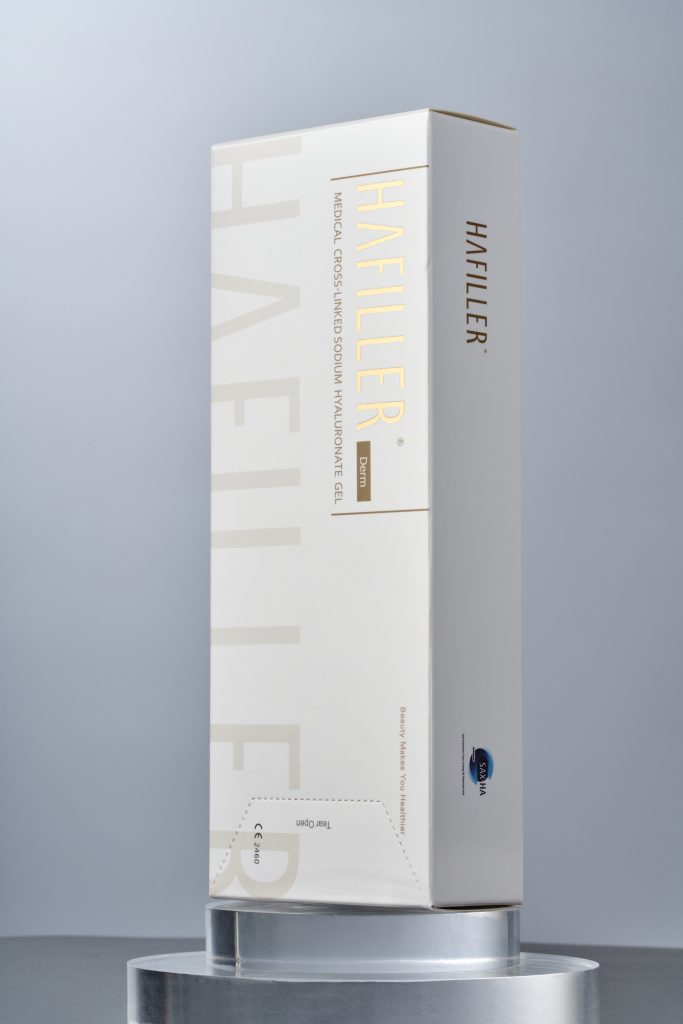
Introduction: The Moment Your Forehead Speaks First
Your forehead tells a story before you say hello. Today, many consider forehead wrinkle filler to soften that story without losing expression. Picture a quick video call: you slept well, but a faint crease makes you look strict. In a recent consumer panel, most people said a 1–2 mm crease can change how “friendly” a face appears—especially on screens. This is small, but real. And it is why people are careful with choices (budget, downtime, result). Still, here is the hard part: many fear a heavy look or a shiny patch after treatment—funny how that works, right? So, the question is simple and polite. How do we ease forehead lines while keeping natural motion?
Let us walk through the core problem first, then compare smarter options for a calm, balanced result—step by step.
Hidden Pain Points Beneath the Lines
Why do traditional fixes miss the mark?
Many quick fixes try to push volume where lines show. But the real issue sits deeper: thin skin, mobile muscle, and light reflection. A well-chosen filler for forehead must balance structure and movement. Look, it’s simpler than you think. If the gel is too stiff (high G’, or elastic modulus), it can resist motion and form a ridge when you lift brows. If it is too loose, it spreads, and the crease returns by noon. Add one more detail: the injection plane. Too superficial, and the Tyndall effect can cause a bluish hue. Too deep, and you get little lift. These are not “big mistakes.” They are small mismatches in rheology and placement that add up to flat or heavy-looking skin. In busy life, that mismatch feels worse than the line itself.
Another pain point is dosing and mapping. Foreheads are not uniform panels; they are zones with variable glide and muscle pull. Classic “one-size” patterns often skip this. The result can be a shiny area over the central frontalis or a soft dent near the lateral brow. A careful plan uses microdroplets in a supraperiosteal plane for shape, and subdermal threads for texture. Tiny gaps are left for movement. Short visits help you test expression over a week, then adjust. The outcome often looks calmer, not frozen; balanced, not blank. In short: design beats volume, and precision beats guesswork.
Comparative Insight: What’s Next for Smoother Movement
What’s Next
Let us compare older methods with newer, movement-friendly ideas. Early gels focused on “fill and hold.” They worked on static grooves but sometimes failed during motion. Newer principles aim at dynamic harmony. Think cohesive gels with tuned cross-linking: enough lift to support, enough glide to flex. Some systems vary particle size to match zones—coarser where you need contour, finer where you need blend. In technical terms, they target a moderate G’ with stable cohesivity, so the gel stays where placed but does not stiffen expression. Paired with micro-aliquots and flexible cannula work, it respects your muscle map. You can see this in careful timelines of forehead wrinkle filler before and after images; the test is not only at rest, but also while raising brows. Small lifts, smooth arcs, no glare—very neat.
Future care moves even further. Ultrasound guidance is becoming common to map vessels and choose safer planes—less guess, more clarity. Layering strategies place a tiny structural base first, then a finishing pass near the surface for texture. This two-step method cuts the risk of over-correction. It also supports even diffusion, reducing the chance of a visible edge. We are learning to treat light as much as lines: gentle contouring reduces harsh shadows, so the skin reads as calm. And yet, it stays you—expressive, not rigid. When you compare side-by-side plans, the modern approach looks simple, but it is actually precise—funny how the simplest look often takes the most design.
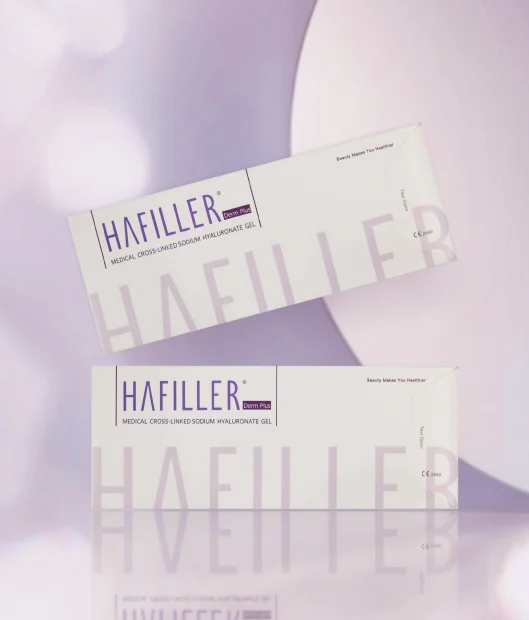
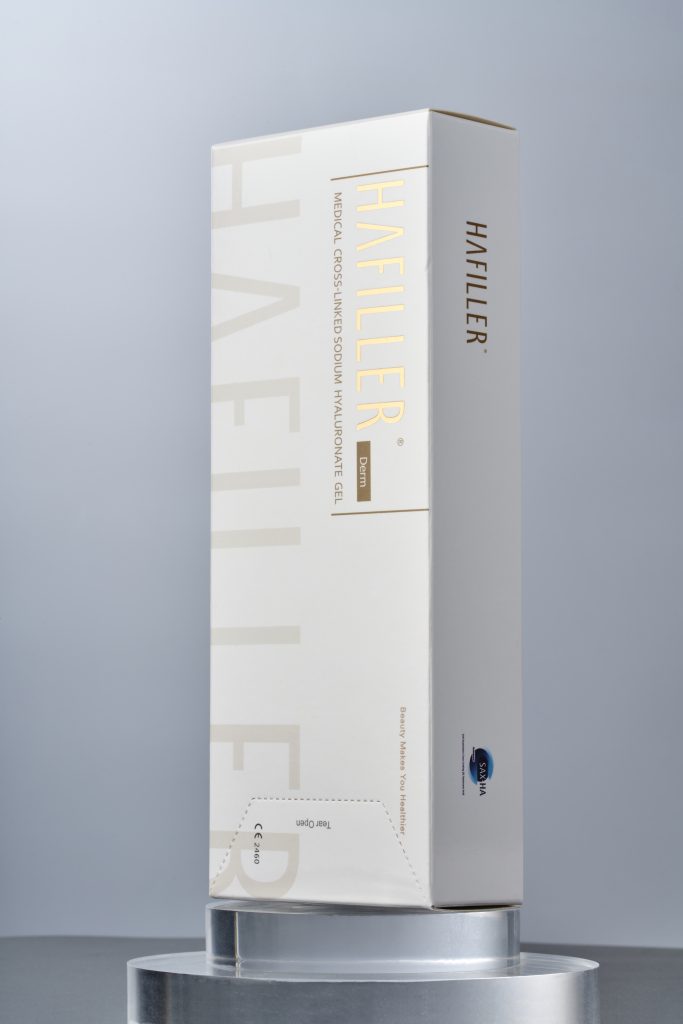
If you want a clear path, use three evaluation metrics before choosing any plan: 1) Material fit: ask about gel rheology (G’, cohesivity) and why it suits moving forehead skin. 2) Method fit: confirm mapping by zone, with plane choice (supraperiosteal vs. subdermal), and microdroplet dosing. 3) Evidence fit: request movement checks and time-based results, including neutral and animated forehead wrinkle filler before and after views at 2 weeks and 3 months. With these anchors, your decision becomes calm and steady. For a thoughtful starting point, you may review options from HAFILLER and discuss them with your clinician, step by step.