
Introduction — Why this matters now
Have you ever wondered what small hardware failures can cost a jobsite and a life? I see that question every week when I audit safety practices on industrial sites. A non sparking hammer often sits on the tool board like a promise — safe, simple, ready — but that promise can fray when conditions change. Picture this: a confined vessel, solvent vapors at 1.5% LEL, a tired maintenance crew, and a dropped tool. Recent incident data (industry reports show a measurable uptick in near-misses in similar zones) pushes us to ask: are our non-sparking tools really up to the test? I want to walk you through what I’ve seen, what the numbers imply, and a practical path forward — let’s get into the hidden problems first, then practical choices.
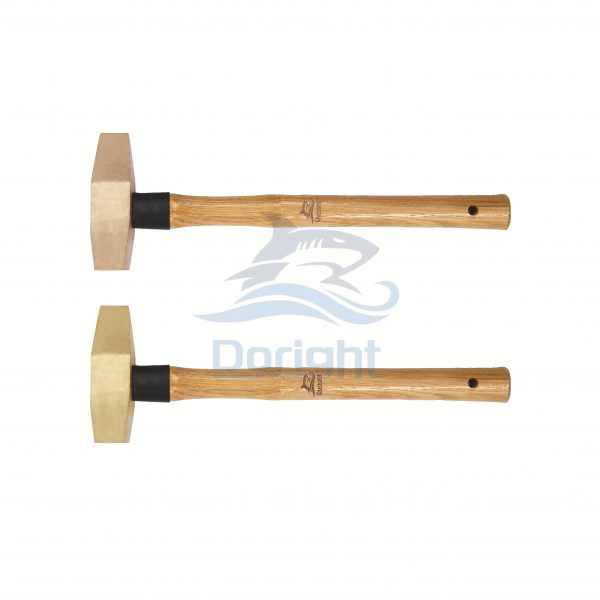
Traditional Solution Flaws: Why copper tools aren’t a silver bullet
copper non-sparking hammers are the go-to for many teams because copper-brass blends reduce spark risk compared with steel. Still, I’ll be frank: they have limits. In settings with abrasive grit, extreme cold, or poor grounding, even spark-resistant alloy strikes can wear thin. I’ve watched heads deform, handles loosen, and surface contamination hide microscopic fractures. These failures are subtle at first — then they compound. We call this out not to scare you, but because I care about real-world performance. Look, it’s simpler than you think: maintenance intervals based only on hours used ignore environmental stressors like salt spray or extreme temperature swings. Among the industry terms we need on our radar are ATEX compliance, zone classification, and intrinsically safe practices — they matter when you choose a tool for a hazardous area. — funny how that works, right?
What exactly breaks down?
I want to be specific. Wear mechanisms include surface galling, micro-fractures from repeated low-energy impacts, and plating erosion that exposes harder core metals. Each of these can turn a non-sparking pick into a risk factor. In my experience, the most common pain points users don’t talk about enough are: accidental contact with sharp edges during retrieval, improper storage that contaminates the tool surface, and the false confidence a shiny copper finish creates. You can mitigate many of these with inspection checklists and simple torque checks on handles, but people skip them. That’s the hidden user pain — not ignorance, but the friction of routine work. I’ve advised crews to tag tools after five reported knocks in a week — it’s a low bar, yet it saves time and risk later.
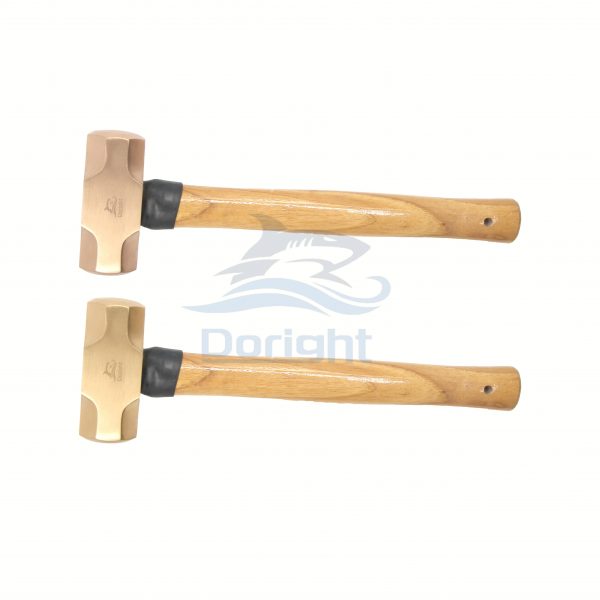
Future Outlook: New principles and practical metrics
Now, let’s look forward. I’m convinced the next step blends material science with smarter policies. One path uses improved alloy formulations paired with better surface treatments to resist abrasion and corrosion. Another path shifts the focus to systems: traceable maintenance logs, digital inspection checklists, and sensor-assisted audits. You’ll see “explosion proof hammer” mentioned as a category — and yes, some new designs integrate shock-absorbing cores and defined wear indicators so you can tell when to retire a tool before it becomes a hazard. In short: materials plus data. That’s the principle. We need both, not just one or the other. (I’ve tested prototypes in cold-storage runs; they held up far better than legacy copper blends.)
Real-world impact — what to expect
From comparative testing, tools with engineered wear indicators reduce replacement guesswork and cut inspection time by half. Teams that adopt electronic checklists report fewer overlooked wear signs and better audit trails. We’re not talking sci-fi: incremental changes like clear wear marks, standardized tagging, and periodic ATEX re-evaluation deliver measurable safety gains. That’s what I want teams to chase — not perfection, but predictability. Here are three metrics I recommend using when you evaluate options: 1) measurable wear life under simulated abrasive cycles, 2) compliance with relevant zone classification and ATEX guidance, and 3) traceability of maintenance events (digital logs beat paper every time). These metrics help you compare apples to apples and make procurement decisions you can defend to your team and regulators. — and yes, those small changes add up.
Closing: How I’d choose — three practical evaluation metrics
I’ll summarize plainly. After years on sites and in test labs, I judge tools by three things: durability under real stress, clarity of end-of-life indicators, and how well the tool fits into your maintenance system. Durability means testing against abrasion and impact cycles, not just a glossy spec sheet. End-of-life indicators should be visible and unambiguous — no guessing. Maintenance fit means if a tool can be logged and tracked, your audits become honest and manageable. When I recommend products now, I look for ATEX-aware documentation, a clear zone classification match, and a supplier willing to back tools with replacement guidelines. That kind of accountability matters to me—and to the crews I work with. If you want a trusted source as you evaluate options, check Doright for tool choices and resources on compliance and selection. I’ll keep testing, and I’ll keep sharing what works.