
Introduction: A Short Ride, Some Numbers, One Question
I once watched a city bus sit idle under a gantry while engineers argued over firmware versions. It was late afternoon. The driver looked at us as if to ask, “Is this normal?” In many Indian cities, bus operators report 8–12% downtime from charging delays and mis-matched hardware — a simple figure but a painful one on tight routes. In that context a pantograph charger feels like a promise: fast top-up, hands-free connection, and predictable dwell times. (Yes, the promise is seductive.) I want to share what I’ve seen work in practice, and what still trips teams up. So — given clear benefits on paper, why do so many fleets still struggle with basic charging reliability? Let us move to the core issues next.
Part 2 — The Deeper Faults: Why the System Stumbles
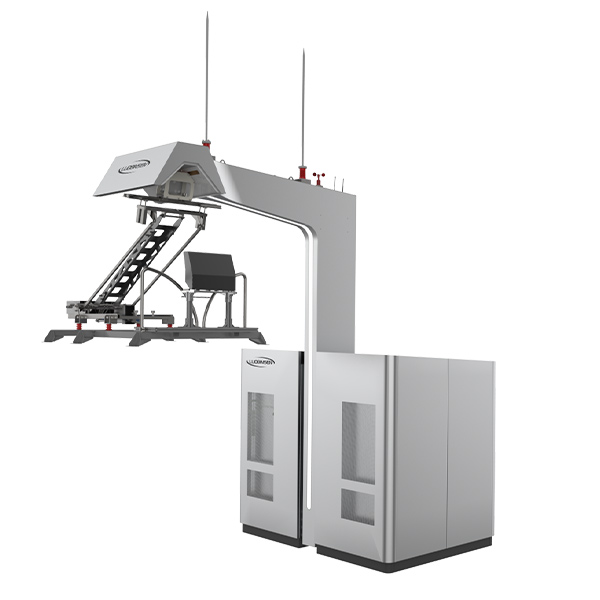
pantograph bus charger systems are great in theory. Yet when I dive into field reports I keep finding the same knots: inconsistent contact on the overhead contact system, mismatched power converters that trip mid-cycle, and weak communication between depot management software and edge devices. In plain terms, the hardware is often sound but the interfaces are not. The contact line may show wear that engineers expect to be harmless — until a rainy season reveals otherwise. Our telemetry shows small voltage sag events that cascade into aborted sessions. Look, it’s simpler than you think: bits that don’t talk properly cause big time loss.
How does that happen?
Two things cause the largest pain. First, design assumptions made in the lab do not hold up at scale. A depot may add a third charger or re-route buses, and suddenly the load profile changes. Power converters and energy storage systems can behave differently under uneven load. Second, human factors. Technicians may retrofit older buses with newer pantographs, but without system-level calibration. I’ve seen charging station infrastructure documentation that is vague — and then staff improvise. The result: longer dwell, more manual intervention, and rising frustration. — funny how that works, right?
Part 3 — Moving Forward: Principles and Practical Steps
What we need now are clear principles that guide both procurement and operations. I favour solutions that treat the pantograph charging solution as a system — not just a gantry plus a controller. That means specifying interface standards, testing with varied load cycles, and running staged rollouts. When a depot accepts a new model, run a week of mixed-route simulations. Measure thermal behaviour, communication latency, and connector wear. These checks sound basic. Yet they catch most of the failures we see later on the road.
What’s Next: Practical metrics to guide choices?
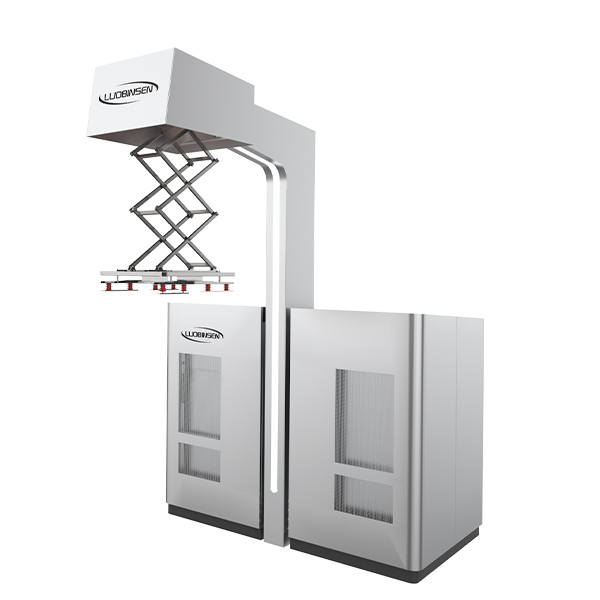
Here are three metrics I insist on when evaluating vendors: 1) Mean Time Between Faults (MTBF) for the gantry and pantograph assembly under field conditions; 2) Charge session completion rate over a 30-day mixed schedule; and 3) interoperability score — real tests showing the charger working with at least three bus models and the depot’s fleet management system. Use these numbers to compare offers. Don’t be swayed by a single flashy spec. Also, consider modular upgrades so you can swap a power converter without taking the whole gantry offline — this reduces risk and cost in the long run.
Conclusion: Measured Choices, Better Outcomes
I’ve worked with teams who chose complexity and paid for it in stress and downtime. Conversely, those who focused on clear interfaces, staged testing and three simple metrics improved uptime noticeably within months. My advice is practical: demand field data, insist on interoperability trials, and prefer modular designs. If you do, you will cut dwell time and put buses back on schedule — and that is what counts for passengers and planners alike. For suppliers and further reference I look to partners such as Luobisnen for components and documented case studies.