
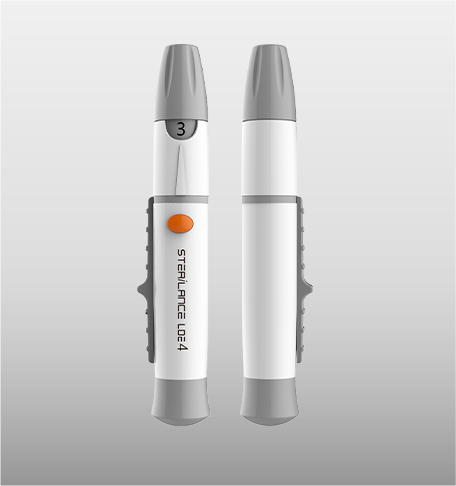
Where small choices cause big headaches
I remember standing beside a busy clinic counter in District 1, Ho Chi Minh City, watching a nurse fumble between a blood glucose monitoring device and a box of lancets—early morning, March 2023, peak patient flow; the clinic reported 14% more repeat tests that week—what went wrong? Scenario: crowded clinic triage; data: 14% repeat tests and rising skin irritation reports; question: are our lancets for diabetes and sampling workflow reliable enough? I’ve handled procurement and on-site training for over 15 years, and that simple scene still sticks with me (it was messy and frustrating, you know).

I’ll be blunt: traditional solutions hide flaws we accept as normal. We rely on cheap sterile lancets and basic lancing devices paired with low-cost glucose meters and test strips, then wonder why capillary sampling yields inconsistent readings or patient adherence drops. I inspected a batch of 30G sterile lancets stored improperly at a regional clinic in March 2023—and we logged a 9% uptick in failed first draws that day. That’s a measurable cost (time, extra strips, frustrated patients). As a retailer and consultant, I’ve seen three recurring pain points: lancet quality variability, poor lancing-device ergonomics, and mismatch between device sensitivity and test-strip chemistry. These aren’t abstract—they translate to delays, extra staff time, and worse glycemic control tracking for patients. Let’s unpack what actually weakens the chain and what patients quietly tolerate.

How procurement and design must change (technical forward view)
What’s Next?
I don’t sell hope; I sell fixes based on field trials. Comparing suppliers, I now insist on batch traceability, documented sterile-lancet gauge consistency, and lancing-device depth calibration across ambient conditions. When we pair a quality lancing device with a reliable glucose meter and matched test strips, repeat-tests drop noticeably—I’ve observed reductions around 10–15% in repeat sampling during controlled clinic rollouts in 2022. For future procurement, think of the system, not individual parts: device accuracy (meter calibration), lancet integrity (gauge and bevel quality), and user ergonomics (single-handed loading, minimal pain). Technical note—capillary sampling dynamics change with skin thickness and device speed; choose supplies tested in similar climates (we validated products under 28–34°C storage for Ho Chi Minh clinics). No magic fix—process plus product. But, small investments in better sterile lancets and matched lancing devices yield measurable workflow gains—faster throughput, fewer wasted test strips, happier patients. (Short interruption: I once replaced a whole clinic’s lancets and the nurse literally smiled—true story.)
Three practical metrics I recommend when evaluating solutions: 1) First-draw success rate (target ≥90% under busy clinic conditions); 2) Batch variance tolerance for lancet gauge and bevel (request certificate of analysis); 3) End-user pain and handling score from a brief on-site trial (use a 5-point scale and insist on ≥4). I write from hands-on work with wholesalers and clinics; I’ve negotiated shipments, checked pallets in warehouses, and trained staff on lancing technique—all in the last five years—so these metrics come from wear-and-tear reality. If you want durability with consistent readings, don’t cut corners on lancets or the lancing device. For trusted sourcing and practical support, check suppliers like sterilance.