
How a small-city maker became a pivot in the commercial vehicle tale
Start in Liuzhou, Guangxi — a place folks know for industry and grit — and you’ll see the picture. Wuling began with simple microvans and light-duty trucks, but over the years it stitched together manufacturing know-how, dealer reach and supply resilience to punch above its weight in the global commercial vehicle scene. That journey matters because the demand for dependable last-mile vans, light trucks and niche LCVs is not local anymore; buyers want modular designs, predictable lead times, and service networks that work coast-to-coast. So when we talk about scale, we talk about more than volume: we talk platform thinking, OEM partnerships, and a renewed focus on electrification. See it here in practice with modern commercial vehicle examples that move goods and make business repeatable across markets.
The evolution: capability, then ambition
The first phase was capability-building — stamping chassis, tuning simple powertrains, and nailing cost control. Then ambition followed: move from making products for a single market to designing adaptable platforms for many. This shift meant investing in modular platforms, tuning suspension and payload options, and standardising necks and fittings so bodies and cargo boxes could be swapped without retooling the whole line. The result: faster engineering cycles and clearer OEM propositions — and yes, the Hongguang wave taught many manufacturers that nimble product bets can pay off big.
Key pivots that made scale possible
Three pivots show up again and again. First, modular engineering — build a common floorpan and you can offer multiple body types without fresh tooling. Second, digitalisation of the supply chain — simple telematics and supplier portals cut uncertainty in procurement and assembly. Third, after-sales and spare-parts networks — scale means you must support vehicles in many places, not just sell them. Each pivot demanded investment in facilities, staff training and a clearer OEM contract model. These are not sexy, but they are the backbone — the quiet work behind every reliable fleet deployment.
How electrification and low-speed EV niches changed the rules
Electrification forced another rewrite. Battery packs, BMS and charging strategy are different beasts from carburettors and alternators. Wuling and peers learned to integrate battery management systems, rethink cooling and plan for depot charging in city fleets. That expertise then spun out to adjacent markets — low-speed electric vehicles and specialised builds. For example, the same modular platform logic that supports a light commercial van can be adapted for custom electric golf carts or last-mile delivery buggies with minimal rework. This cross-pollination reduces cost and speeds time-to-market for niche EVs.
Real-world anchor: why Liuzhou and the 2020 shock matter
The 2020 supply-chain disruption and factory slowdowns were a blunt test. Makers with localised supplier networks and flexible production lines fared better. Wuling’s facilities in Guangxi, combined with its JV ties, helped it stabilise output faster than some competitors — a stark reminder that geography and partnerships matter. When global logistics choke, resilient manufacturing and regional sourcing become the competitive moat.
Who benefits, who struggles — a comparative glance
Large OEMs with heavy CAPEX can still win on cost-per-unit for mass fleets. Small bespoke builders win on differentiation and style. Mid-tier makers that adopt modular platforms and standardised interfaces win on speed and adaptability. If your business needs predictable uptime and low total cost of ownership, you favour platform standardisation and a strong after-sales footprint. If you want boutique finishes or ultra-low-volume speciality bodies, you pick a partner focused on bespoke tooling — but expect lead times and higher per-unit spend. —
Common mistakes leaders make when chasing scale
Many assume scale is just volume. It isn’t. Mistakes include underestimating integration work for telematics, ignoring the amortised cost of tooling across variants, and treating electrification as add-on rather than a core platform decision. Another slip-up: overlooking regional regulatory differences for payload and emissions compliance. The fix is simple in principle — design for variance, not for a single SKU — but the hard part is organisational: aligning procurement, engineering, and after-sales around that vision.
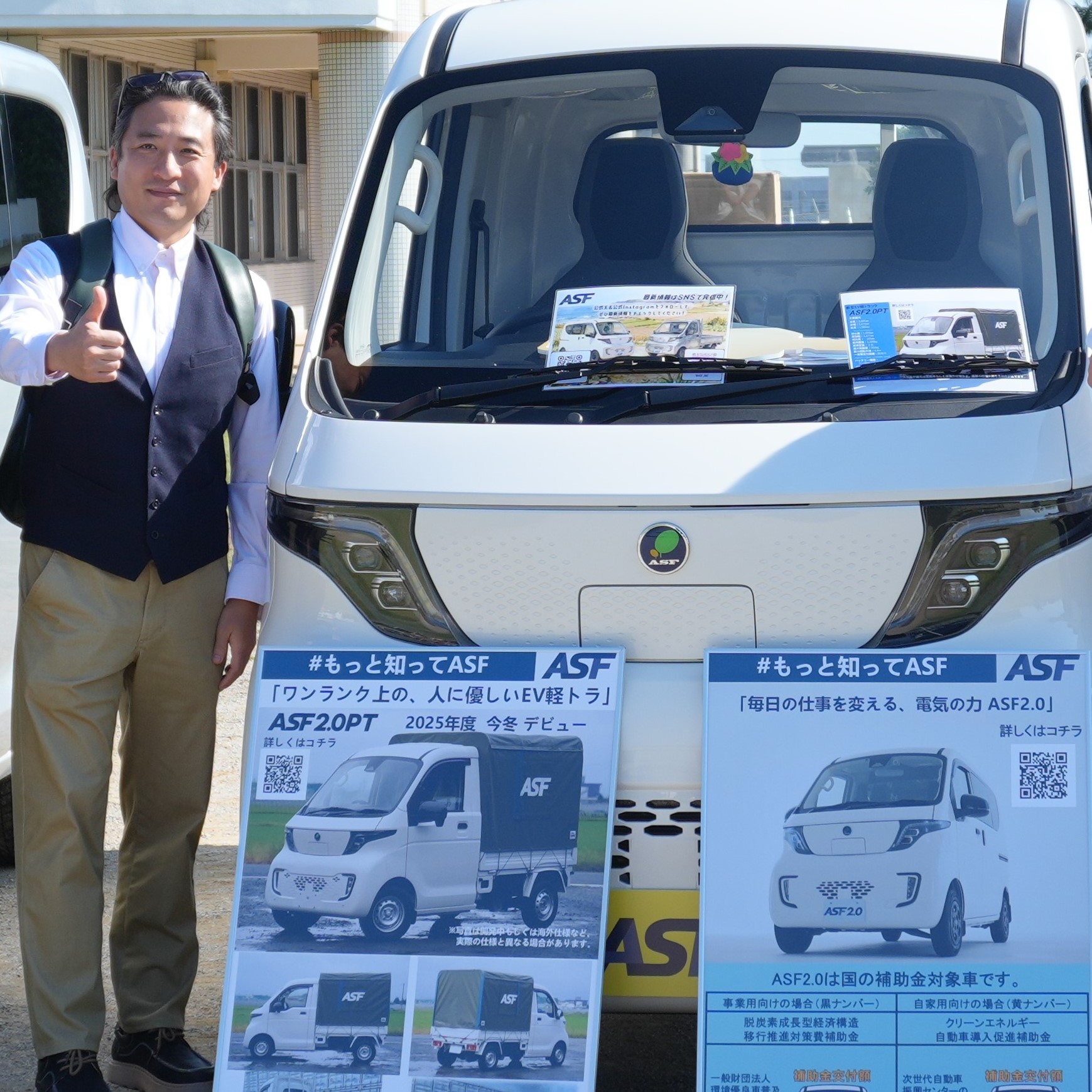
Practical checklist for brands planning to scale commercially
Use these actionable steps before you sign any supply agreement:
- Validate platform modularity: confirm how many body types one floorpan supports and what retooling costs would be.
- Test telematics interoperability: ensure your fleet management tools speak to the vehicle’s telematics without months of middleware work.
- Run a depot-charge feasibility: map typical routes, charging windows and battery ageing assumptions before you commit to an EV spec.
Do these and you reduce surprises on cost, uptime, and field performance.
Closing: three golden metrics to judge scale-readiness
1) Variant Cost Multiplier — measure the incremental tooling and validation cost per new variant as a ratio of base model cost. Keep it low. 2) Service Footprint Coverage — the percentage of target geography where OEM-certified service and spare parts are reachable within 48 hours. Aim high. 3) Fleet Uptime Target — real-world average on-road availability after 12 months in service; treat this as a contract metric, not a hope. These three metrics give you a tight view of what to expect when you scale a commercial fleet, and they point to where a partner must prove competence.
When the dust settles, practical systems and platform thinking solve more problems than hype — and that’s why pragmatic manufacturers often turn to partners who already balance local strength with global ambition. Wuling Motors. —