
User-Centric Lead
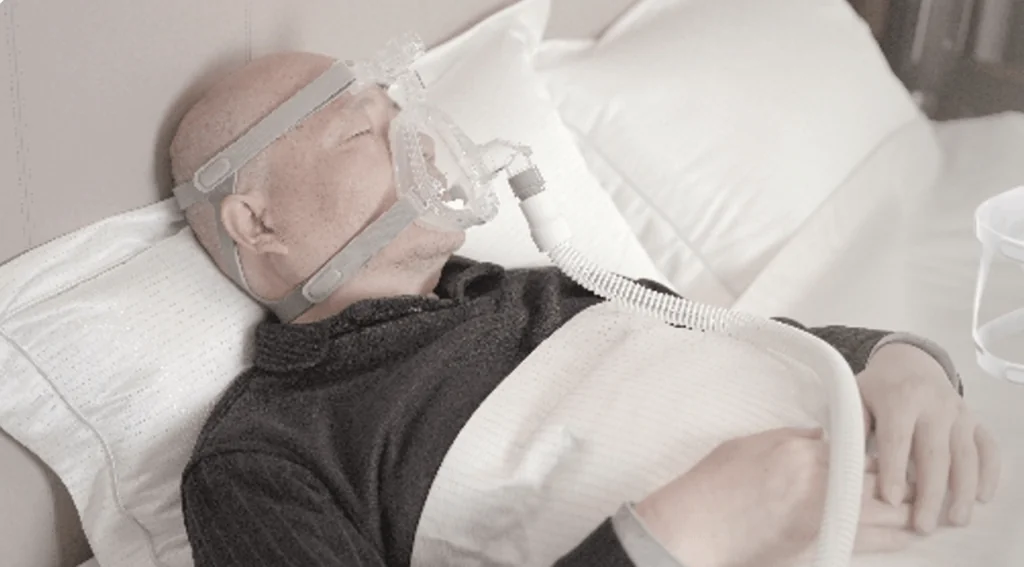
Patients and clinicians are aligning around solutions that reduce hassle and improve sleep; an APAP-style approach often leads that list. For home use, a cpap device that auto-adjusts can cut setup time, lower follow-up visits, and increase nightly use. This piece takes a user-first view—plain language, real operating details, and clear trade-offs—so care teams and people using therapy can make smarter choices.
Comfort Drives Adherence
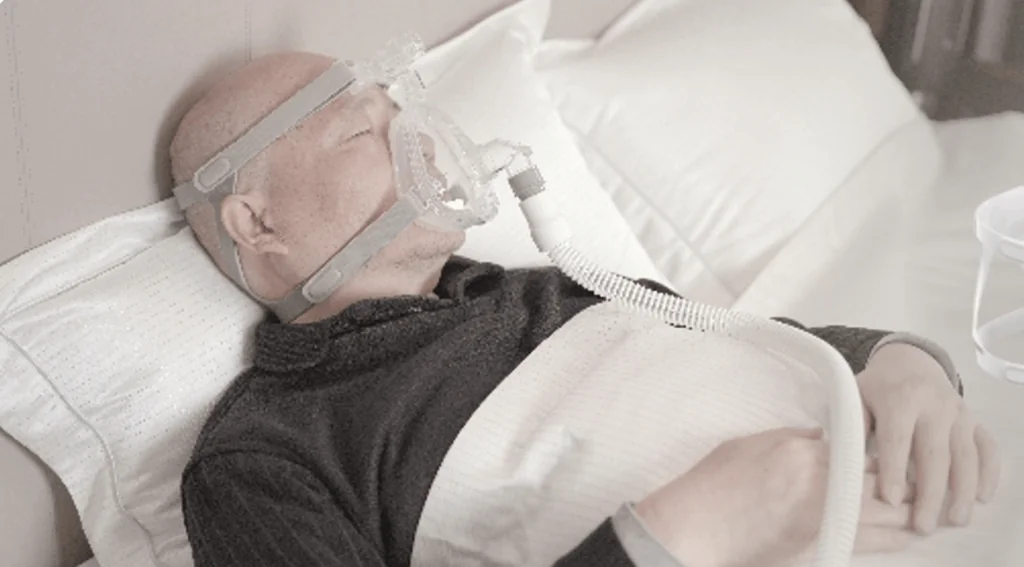
Comfort is the single biggest determinant of whether someone keeps therapy long-term. Auto-adjusting pressure, gentle expiratory relief, and improved mask seal design reduce wake-ups and pressure intolerance. When the device is responsive to breathing events the apnea-hypopnea index (AHI) drops and subjective sleep quality rises—both measurable outcomes clinicians track. Small wins on comfort translate into big improvements in nightly hours used, and therefore clinical benefit.
Clinical Performance and Remote Monitoring
APAP devices pair positive airway pressure (PAP) delivery with real-time algorithms that tune pressure to events. That reduces both over-pressurization and under-treatment. Remote data uploads let clinicians review AHI trends, leak rates, and usage hours without in-person visits—an approach accelerated during the COVID-19 pandemic when hospitals prioritized home ventilation and telehealth. That real-world shift is now part of standard care workflows in many centers.
Home Implementation: Practical Steps and Pitfalls
Setting up therapy at home works best when protocols are clear. Key steps include mask fit verification, pressure ramp settings, and baseline AHI documentation. Common mistakes are skipped mask refitting, ignoring persistent leak warnings, and delaying firmware updates—each undermines therapy. Small checks at onboarding prevent larger issues later.
Hardware and Service Considerations
Not all units are equal. Look for robust mask options, easy-to-clean humidification, and a transparent data platform that shows nightly summaries and filter-life alerts. Warranty terms and local service response matter as much as algorithms, because a broken accessory can pause therapy for weeks. Providers should factor replacement-part lead time into procurement decisions.
Comparing APAP to Fixed-Pressure Devices
APAP’s auto-adjusting pressure algorithm reduces the need for an in-lab titration sleep study in many straightforward cases, speeding time-to-therapy. Fixed-pressure devices remain valuable where pressure needs are well-established or where insurance pathways prefer them. For users with variable sleep posture or seasonal nasal congestion, adaptive pressure often yields better night-to-night control and fewer residual events.
Common Integration Errors — and How to Avoid Them
Implementation errors are usually process failures rather than device flaws. Teams often underestimate the importance of patient education, neglect mask replacement schedules, or fail to act on flagged high AHI nights. Address those gaps with a short onboarding checklist, automated follow-up triggers, and a clear escalation path when data shows nonadherence—simple fixes that preserve outcomes and save clinic bandwidth.
EEAT Approach and Real-World Anchor
EEAT used here is clinically anchored: the focus is on practical, evidence-aligned steps clinicians and users can take. The COVID-19 pandemic served as a real-world anchor for this shift—health systems expanded home ventilation and remote monitoring, and those operational changes persist. Clinicians continue to monitor AHI, leak, and nightly hours as primary metrics for success.
Advisory: Three Golden Rules for Choosing Auto CPAP Solutions
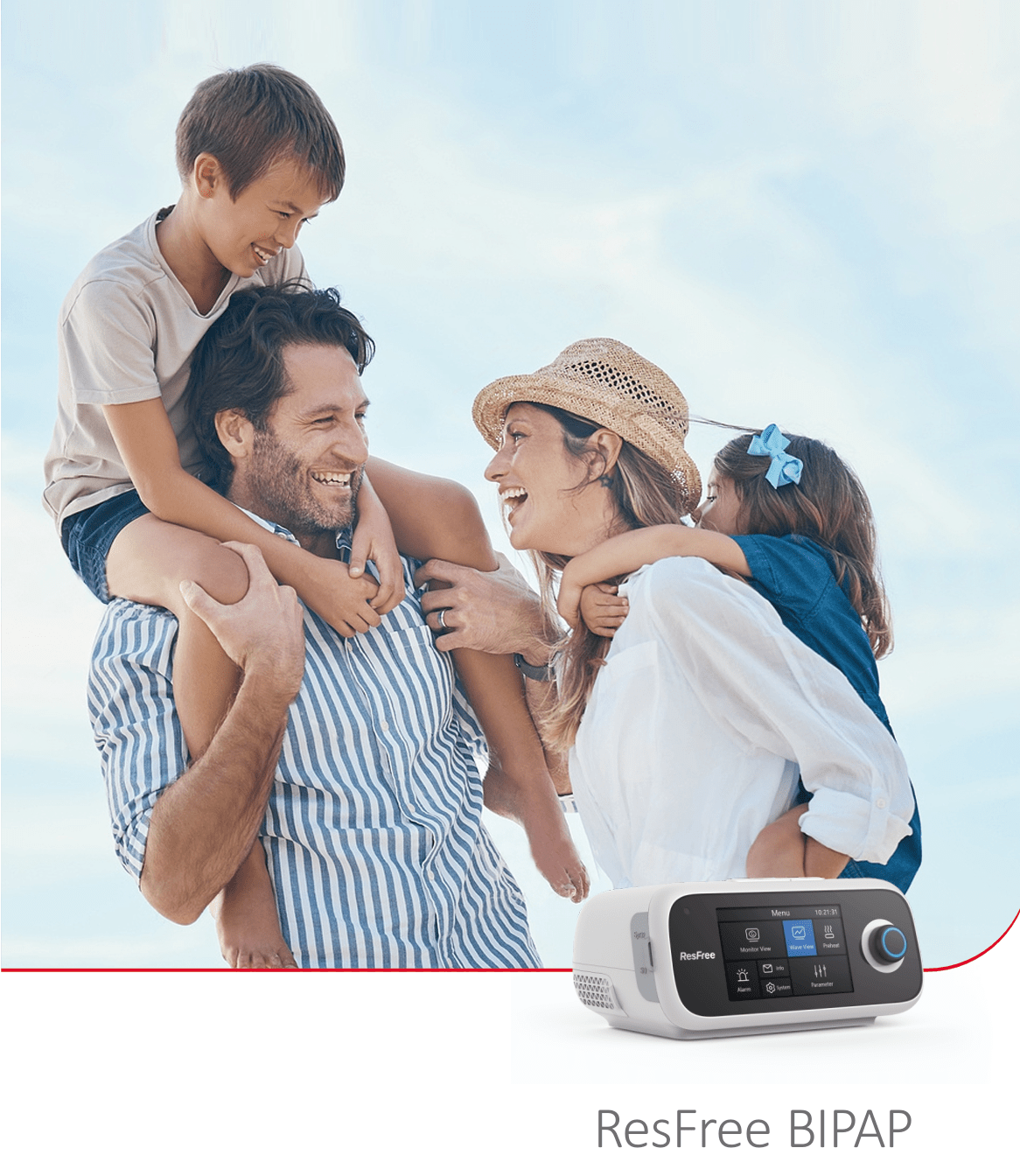
1) Prioritize adherence metrics first: nightly usage hours, AHI reduction, and mask leak rate should guide selection. Devices that deliver clear, actionable reports shorten the troubleshooting loop. 2) Validate serviceability: check local parts availability and response windows to avoid prolonged downtime. 3) Match features to patients: choose auto-adjusting algorithms and humidification for users with variable breathing patterns or chronic rhinitis; simpler fixed-pressure units are fine for stable, well-titrated patients.
These rules focus the decision on measurable outcomes and day-to-day reliability, which is where value appears for patients and clinics alike. auto cpap technology fits naturally into that framework when paired with clear service commitments. The result is smoother starts, fewer callbacks, and better long-term adherence—practical advantages anyone deploying home ventilation wants. Byond. —