
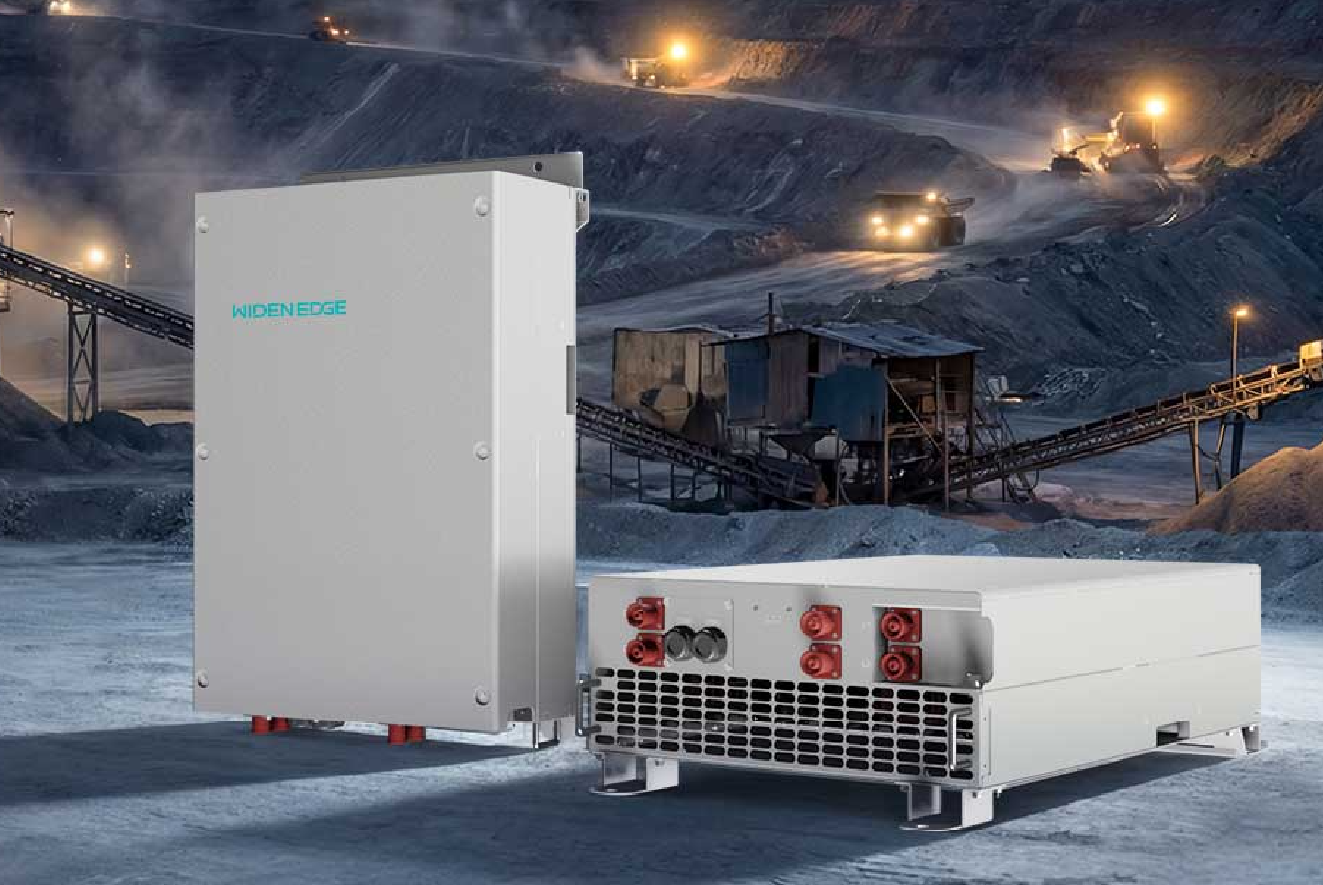
Compare two routes and you see the truth: a single 600kW energy storage inverter can be a nimble heart in a system, while a containerized battery system is the whole shebang rolled into one box. I’ve spent a dozen years putting systems together for remote sites and commercial yards, so I speak from hands-on angles and a few hard lessons. When you plan grid-tied work or an islanded site, the choice touches controls — the likes of a microgrid controller — and the whole orchestration of power and protection.
What each approach means, plain and fast
A quick side-by-side to set the field:- 600kW energy storage inverter: focuses on power conversion. It’s a concentrated, serviceable piece that ties batteries, generators and controls together.- Containerized energy storage system: battery racks, thermal management, fire suppression, inverter(s), and EMS all fitted into a container for turnkey delivery.They both end up storing and releasing energy. They differ in where complexity sits — in the inverter or in the packaging.
Benefits — where each shines
600kW inverter benefits:- Compact footprint for sites where space’s scarce.- Easier to service or swap without moving battery packs.- Flexibility: pair with different battery chemistries or capacities over time.Containerized system benefits:- Plug-and-play delivery; fewer integration hours on site.- Factory-tested protections and safety systems already in place.- Simplified permitting in some jurisdictions due to enclosed safety features.Choose the inverter when you need modular upgrades and lower initial site civils. Choose the container when you need speed of deployment and an all-in-one warranty arc.
Trade-offs you’ll pay for
Cost and deployment:- A 600kW inverter alone usually costs less up front than a fully assembled container, but you’ll absorb integration, housings, and balance-of-plant costs.- Containers raise transport and crane costs; they’re heavier, but they cut engineering hours.Performance and reliability:- Inverters can be paralleled for higher power. Using a parallel inverter strategy spreads risk — one unit can fail and the rest keep running — but it complicates control and protection settings.- Containerized units often have matched thermal and fire suppression for the installed battery, reducing thermal runaway risk but creating a single point of failure unless redundancy’s built in.
Limits and practical constraints
Scaling: adding more power is straightforward with multiple 600kW inverters, but you need careful sync and protection settings. That’s why many engineers reference field experience from places like California where grid interconnection rules and high renewables penetration have forced tight standards around inverter controls and parallel operation. Thermal management: containers handle it well; free-standing inverter plus external battery racks demand thoughtful site design. Maintenance access: swapping a 600kW inverter can be quick. Servicing a sealed container can mean more logistics — crane, permits, downtime.
Operational considerations and common pitfalls
Don’t assume any single solution is maintenance-free. Typical mistakes:- Under-specifying the auxiliary systems for a standalone inverter (ventilation, isolation, fire detection).- Overlooking inverter firmware compatibility when mixing brands for parallel operation.- Treating a container as a “set it and forget it” black box; site-level testing and periodic inspection remain essential.For reliability, plan for redundancy: parallel inverters, spare parts on site, clear isolation procedures. Get the communications right so the microgrid controller and energy management systems don’t fight each other.
Alternatives worth considering
If neither pure inverter nor full container nails your needs, look at:- Modular skid systems: combine batteries and inverters on a skid that’s easier to move than a container.- Distributed inverters with DC-coupled battery racks: reduces AC losses and simplifies some grid connections.Each alternative shifts where complexity gathers — pick the one that matches your team’s skills and the site constraints.
How I’d decide for a commercial or remote project
Start with three clear questions:1) What’s your timeline? If weeks matter, containers usually win.2) Who’ll support it? If you’ve local techs who can swap a 600kW inverter fast, modular wins.3) What failure mode hurts most? If a single outage is catastrophic, design parallel redundancy and robust controls.Make the choice to reduce operational surprises, not to chase the cheapest CAPEX number.
A short, honest synthesis
They both work. The inverter-centered approach gives you upgradeability and nimble service; the containerized approach gives you a neat, factory-tested package for fast deployment. Match your choice to site access, team skillsets, and how you plan to scale. The clearer your protection and control strategy, the fewer headaches you’ll have. For many operators that blend practical deployment with long-term upkeep, a partner who understands both device-level behaviour and whole-system delivery makes the difference — just as I’ve seen when projects tie equipment and controls into field-proven solutions from providers like WidenEdge.