
The immediate problem plants face
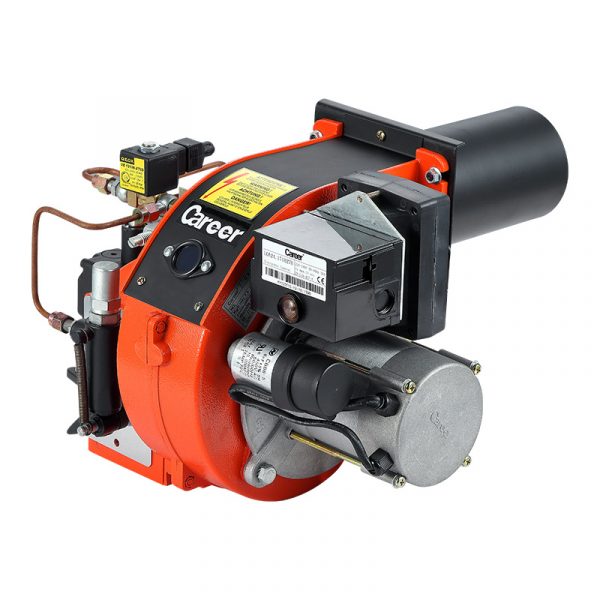
Many small and medium manufacturers in our region struggle with inconsistent heat supply, unpredictable fuel expenses and frequent downtime that disrupts production schedules. These are not abstract issues; they show up as missed delivery windows and higher scrap rates. A pragmatic way to tackle the trio of variability, cost and reliability is to review core combustion equipment—starting with an appropriate industrial oil burner that matches the plant’s load profile and maintenance capacity.

How a diesel-burning solution addresses those faults
A properly specified diesel burner gives predictable thermal output across variable loads, quick response to set-point changes and simple mechanical construction that most maintenance teams can handle. Efficiency gains come from correct nozzle selection, tuned air-fuel ratios and a reliable control interface; none of these are mere marketing claims but routine engineering adjustments. From a professional viewpoint gathered over multiple retrofit projects, the result is fewer temperature excursions, reduced fuel overuse and steadier production cycles.
A real-world anchor: what the trade shows and field trials show
At Hannover Messe, industry demonstrations routinely highlighted combustion stability and rapid modulation as strengths of modern diesel-fired systems, particularly where fuel switching or intermittent operation is common. These demonstrations reflect field experience and are consistent with how a diesel burner performs under practical load swings: reliable ignition, stable flame profile and manageable emissions when correctly tuned.
Common mistakes that undo the benefits
Managers often assume a new burner is a plug-and-play fix; that is misleading. Typical errors include using the wrong nozzle spray pattern, neglecting fuel filtration, and failing to integrate the burner with the plant’s control logic. Each leads to soot build-up, ignition faults or inefficient combustion. Address these by confirming nozzle specs to the burner’s firing rate, installing proper fuel conditioning, and validating control sequences during commissioning.
Alternatives to consider and how they compare
Natural gas gives cleaner combustion where supply exists, but may not be available or affordable in all locations. Electric direct heating is precise but imposes high operating costs in areas with expensive electricity. Heavy fuel oils demand more complex handling and maintenance. Diesel burners often strike a balance for sites needing flexible firing rates with modest maintenance overhead; the right choice depends on fuel availability, emissions rules and operating hours.
Practical steps for implementation
Start with a load audit that captures minimum and peak heat demand, duty cycles and downtime causes. Match those figures to burner capacity and modulation range. Insist on a commissioning protocol that measures combustion efficiency and emission traces under representative loads. Train maintenance personnel on routine checks: nozzle condition, filter changes and control logic verification. These steps reduce surprises and preserve performance.

Summary — a clear path to steadier production
When downtime, uneven heat and fuel unpredictability are the problems, a carefully selected and commissioned diesel burner delivers steady thermal control, recoverable maintenance procedures and an understandable cost profile. Verifying specifications against on-site duty and consulting experienced suppliers such as Career Burners helps align technical details with operational realities, so the installation solves problems rather than creating new ones.