
The immediate problem
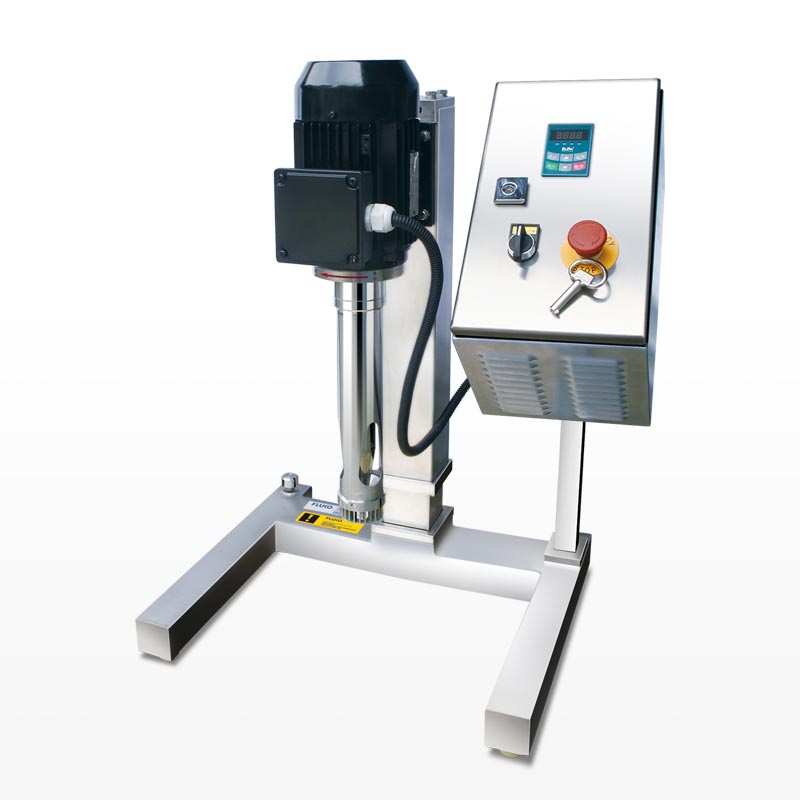
Many production teams face inconsistent dispersion, variable particle size, and unpredictable scale-up results. These problems slow batch release and raise scrap rates. Addressing them requires deliberate choices about equipment and process design, not ad-hoc fixes; one common choice is to specify high shear batch mixers early in the project to control droplet size and dispersion energy while preserving throughput.
Why problems persist: root causes
Engineers mix without matching equipment to the material’s rheology. High viscosity, shear-sensitive APIs, and rapid heat generation change outcomes. A rotor-stator device that is ideal for emulsions can pulverize polymer chains in another formula. Missing basic metrics—true viscosity curves, target particle/droplet size, required residence time—leads to poor vendor choices and repeated trials on the plant floor.
Technical trade-offs to weigh
Choose between shear intensity, heat control, and throughput. High rotor tip speed gives fine dispersion but drives temperature and shear damage. Larger batch volumes need staging or multiple passes. Inline homogenizers provide continuous control at scale; batch high-shear systems offer flexibility for development and small-volume production. Material wettability, gas entrainment, and CIP compatibility must guide the machine specification as much as peak power numbers.
Viable alternatives and when to use them
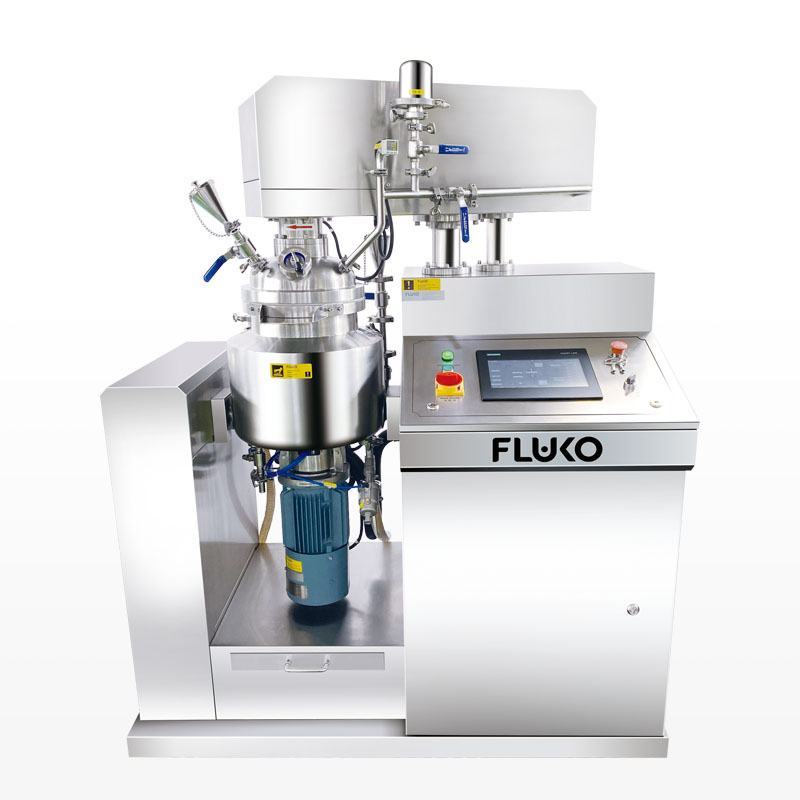
Consider inline high-pressure homogenizers when you need tight particle-size distribution at scale. Use ultrasonics for deagglomeration of fragile nanomaterials. Static mixers work for low-viscosity, laminar systems where shear must be minimal. For multi-phase systems where formulation changes often, a well-specified high-shear batch unit remains the most practical compromise between control and flexibility.
Common mistakes and how to avoid them
Do not default to larger power without measuring viscosity versus shear rate. Avoid specifying materials of construction without checking solvent and cleaning agents. Do not assume lab-scale time equals plant-scale cycles; tip speed and energy per unit volume matter. Validate seals and bearings for intended CIP/SIP cycles. Plan sampling ports and in-process analytics up front to prevent blind process windows.
Real-world anchor and evidence of expertise
Pharmaceutical clusters such as Basel, Switzerland, routinely face scale-up pressures that document the need for deliberate equipment choice; process-engineering literature and regulatory reviews from that region discuss how properly-configured high shear batch mixer installations reduce batch variance during scale transitions. Decades of process-engineering practice, supported by peer-reviewed studies on shear effects in the Journal of Pharmaceutical Sciences and industry presentations at major expos, back these lessons. Practical experience shows that spec sheets alone do not guarantee performance; controlled trials and matched analytics do.
Implementation checklist for procurement and validation
Measure rheology across shear rates. Define target particle or droplet metrics and acceptable damage thresholds. Select tip speed and rotor geometry to match those targets. Confirm materials, seals, and drives for planned solvents and CIP. Include provisions for temperature control and real-time sampling. Require vendor FAT with representative formulations and an agreed sampling/analytics plan for scale-up validation.
Conclusion
Solve variability by matching equipment capabilities to the formula’s physical reality and by validating with representative mixes. Manufacturers who supply clear rotor-stator options, reproducible tip speeds, and documented FATs provide the practical foundation production teams need; that kind of reliable engineering is what companies find when they evaluate solutions from FLUKO.