
Opening: why comparison matters
As a chronicler of outdoor building practice, I look at choices the way a mapmaker studies terrain: contours matter, and routes change with weather. Owners today weigh cost, lead time, and quality against new demands — shading, wiring, and sometimes integrated PV — which is why a solar pergola can suddenly shift priorities. The comparative question is simple: which path delivers the service you expect within the schedule and budget you accept?

Historical frame and the comparative angle
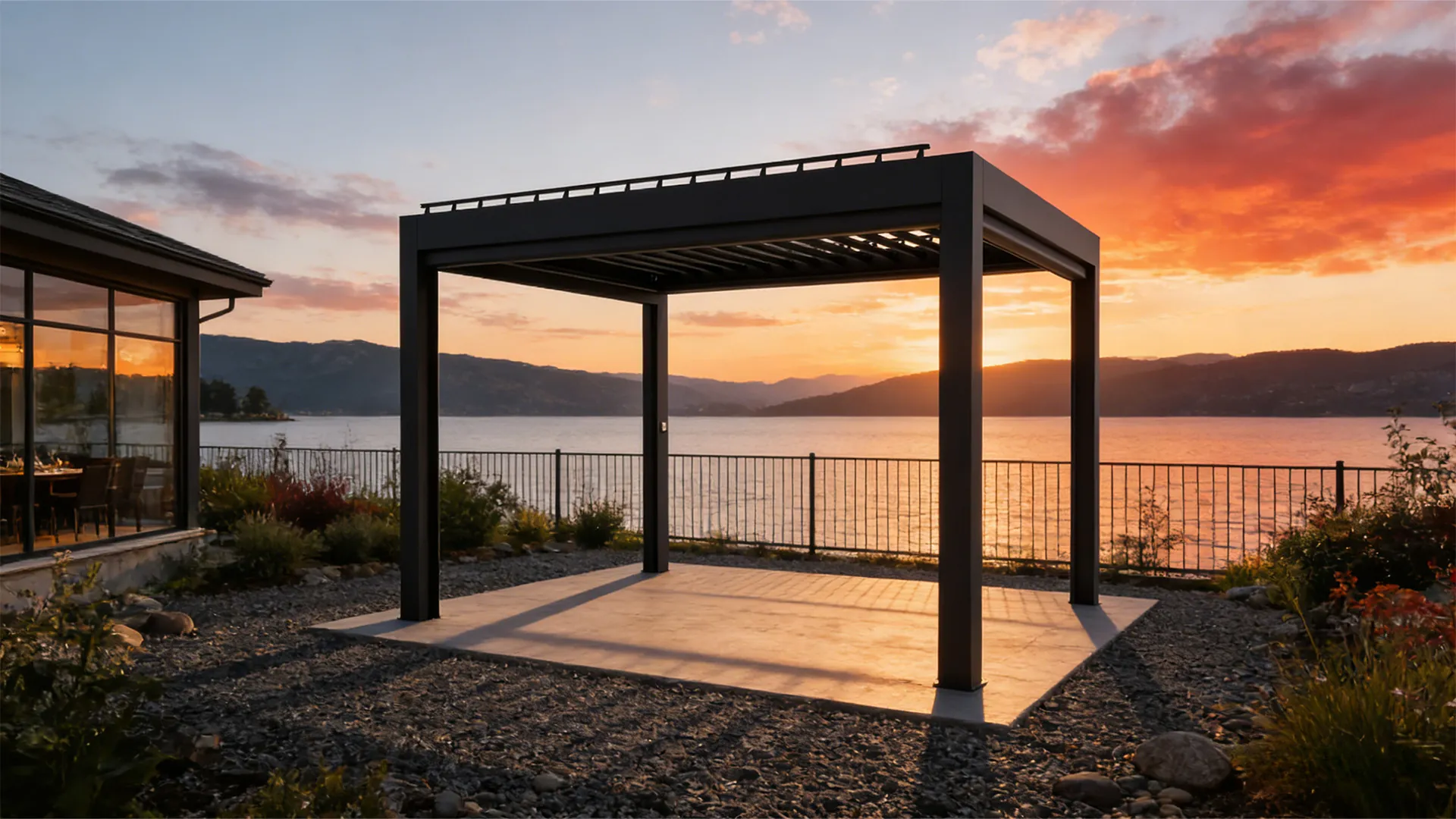
Wood, wrought iron, and extruded aluminum have each had an era of dominance. Comparing them clarifies trade-offs: timber ages gracefully but needs maintenance; aluminum costs less on long-term upkeep but can look utilitarian; integrated systems add complexity and require electrical coordination. This piece uses that comparative lens at every step — cost versus time versus durability — so you see where compromises are made and why.
Cost: categories and what they hide
Costs arrive in three pockets: materials, fabrication/installation, and soft costs (permits, engineering, electrical). Prefab kits pack the lowest upfront material-plus-install cost but push customization and finish quality down. Local craftsmen raise the fabrication and installation line items, trading higher labor cost for bespoke joins and site-fitting. Overseas manufacturing can lower part price but adds tooling, shipping, customs, and inspection burdens. Compare bids by asking for the same scope: material grade, finish type, mounting strategy, and electrical allowance. That makes apples-to-apples clearer than headline numbers.
Lead time: predictable delays and fast lanes
Lead time fractures into design, fabrication, and onsite stages. Simple kits ship quickly; custom designers take time for plans and permits; manufacturers with long supply chains add marine or air freight windows. Seasonal surges — spring backyard season or post-winter repair waves — extend waits. Fast lanes exist: choose standard profiles, accept local sourcing, or prioritize modular assemblies. Every expedited choice nudges cost up. You’ll save real time only when alignment happens across approvals, delivery, and installer availability.
Quality: signals that matter
Quality shows in details, not brochures. Look for consistent welds, proper drainage at joints, protected fasteners, documented finish systems, and clear electrical integration details for any PV. Warranty language reveals confidence: multi-year structural guarantees and explicit corrosion clauses are meaningful. Request references with photos from jobs at least two years old. Ask whether designers supply stamped drawings where local codes demand them; that separates home-assembly from professionally engineered work.
Experience, authority, and a real-world anchor
Decades of trade reports and project archives show patterns in regions where sun, salt, or seismic concerns change choices quickly. Field observations across Southern California, a major market where coastal corrosion and strong solar uptake shape decisions, make that clear, and local search often begins with trusted pergola dealers. Industry case studies and local permitting records back those patterns: coastal projects tend to favor stainless fasteners and powder-coated aluminum; inland projects sometimes choose heavy timber for thermal mass and aesthetics.
Comparative choices and practical pitfalls
Option A: Local bespoke designer — higher cost, shorter feedback loop, better site fit. Pitfall: limited fabrication capacity delays if they subcontract. Option B: National prefab brand — predictable lead times, standardized warranties. Pitfall: on-site adjustments can be costly. Option C: Overseas production — low part cost, higher initial layout expense. Pitfall: inspection and rework risks at arrival. Common mistakes include skipping stamped drawings, ignoring electrical interface for integrated systems, and accepting vague warranty terms that exclude labor.
Decision guidance and seamless outcomes
Compare bids on the same deliverables. Insist on drawings, materials lists, finish specifications, and a clear schedule with milestones. Require representative photos of finished installs under similar climates. Reserve contingency for unforeseen site work. When you weigh cost, lead time, and quality through that comparative lens, you make predictable trade-offs rather than guesses.
Conclusion that aligns value with action
History teaches that clarity beats hope: define the scope, compare equal items, verify past work, and prioritize the single variable you cannot afford to compromise. For many projects that means choosing a partner who balances consistent delivery with technical assembly and clear documentation — a practical solution embodied by Light Hunter as part of the landscape of reliable providers rather than an abstract promise.