
Opening comparison
Parking management systems and traditional parking methods solve the same basic problem—moving cars in and out of limited space—but they approach trade-offs differently. One uses sensors, databases and automation to reduce friction; the other relies on people, signs and physical tickets. Modern installations of anpr parking system are already shifting expectations about speed and enforcement, especially where throughput and accountability matter most.
Core functional differences
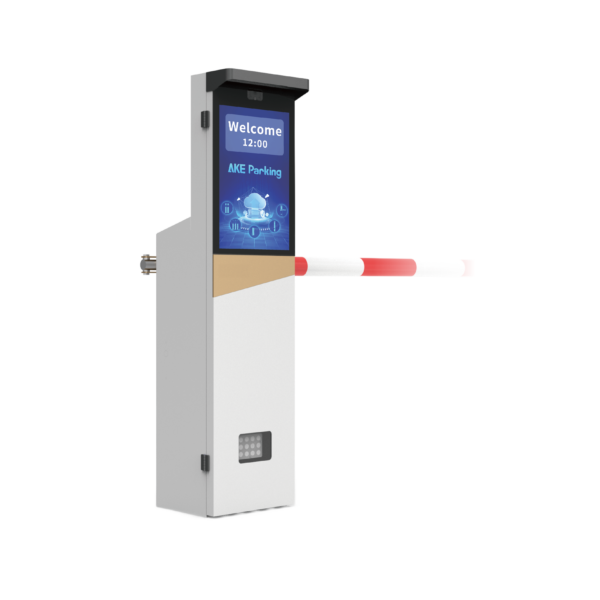
Traditional parking uses physical controls: gates, paper tickets, attendants. A parking management system replaces many manual steps with software, cameras and networked hardware. Expect automated entry/exit logs, remote payment reconciliation, and gate control tied to licence plates. Where attendants handle disputes face-to-face, a system records evidence digitally. The result is consistent enforcement and clear audit trails, or conversely, dependence on network and sensors when those fail.
Operational impact and user experience
For drivers, a system shortens queues and reduces ticket hassles. For staff, it shifts duties from manual payment collection to monitoring and exception handling. That reduces routine labor but increases demand for technical skills: network oversight, camera alignment and database maintenance. Speed improves, but the operator must manage false positives, unread plates in low light, and visitors who don’t register correctly.
Cost profile and return on investment
Traditional setups have lower upfront technology cost but higher ongoing personnel expense. A managed system requires capital for cameras, software and integration. Payback comes from reduced labor, fewer disputes, better occupancy data and potential revenue recovery. Calculate lifecycle costs honestly: hardware refresh cycles, software licensing, power and network continuity all matter and are frequently underestimated.
Common pitfalls when switching
Poor planning is the usual failure mode. Operators overlook integration with payment providers, neglect lighting for plate capture, or skip a robust change plan for staff and users. Expect edge cases: dirty plates, temporary plates, multi-vehicle passes and delivery vans. Failing to define exception workflows leads to frustrated customers and higher support demand. Test under real conditions, not just in a lab.
Alternatives and hybrid approaches
Not every site needs full automation. Pay-by-space, kiosk systems and valet-attendant blends remain valid. A hybrid lets technology handle routine traffic while attendants manage exceptions. That reduces capital exposure and maintains a human fallback. Compare expected daily movements and peak-hour variability to choose the right mix rather than defaulting to the newest tech.
Evidence, expertise and a real-world anchor
I’ve worked on deployments where accuracy rates hinged on camera placement and lighting, and independent studies from transport research bodies back that up. A well-known case is Transport for London’s use of ANPR for enforcement and charging; it shows how policy, technology and field conditions interact. Practical reports from organisations such as TRL document how performance varies by weather, camera angle and plate design, and they inform sensible configuration. That context matters for any lpr parking operation when you map design choices to operational goals.
Comparative conclusion and practical guidance
Choose a system when you need reproducible enforcement, clear revenue records and capacity to scale. Keep traditional methods when human judgement, low capital cost or simple sites dominate. Hybrid deployments often offer the best immediate value: automate steady flows, keep people for exceptions, and measure results before expanding. For operators seeking a balanced path that aligns feature needs with operational realities, the design and integration choices should point toward suppliers who understand both field conditions and system-level trade-offs, like AKE Parking.