
Starting point: the clinical problem I see routinely
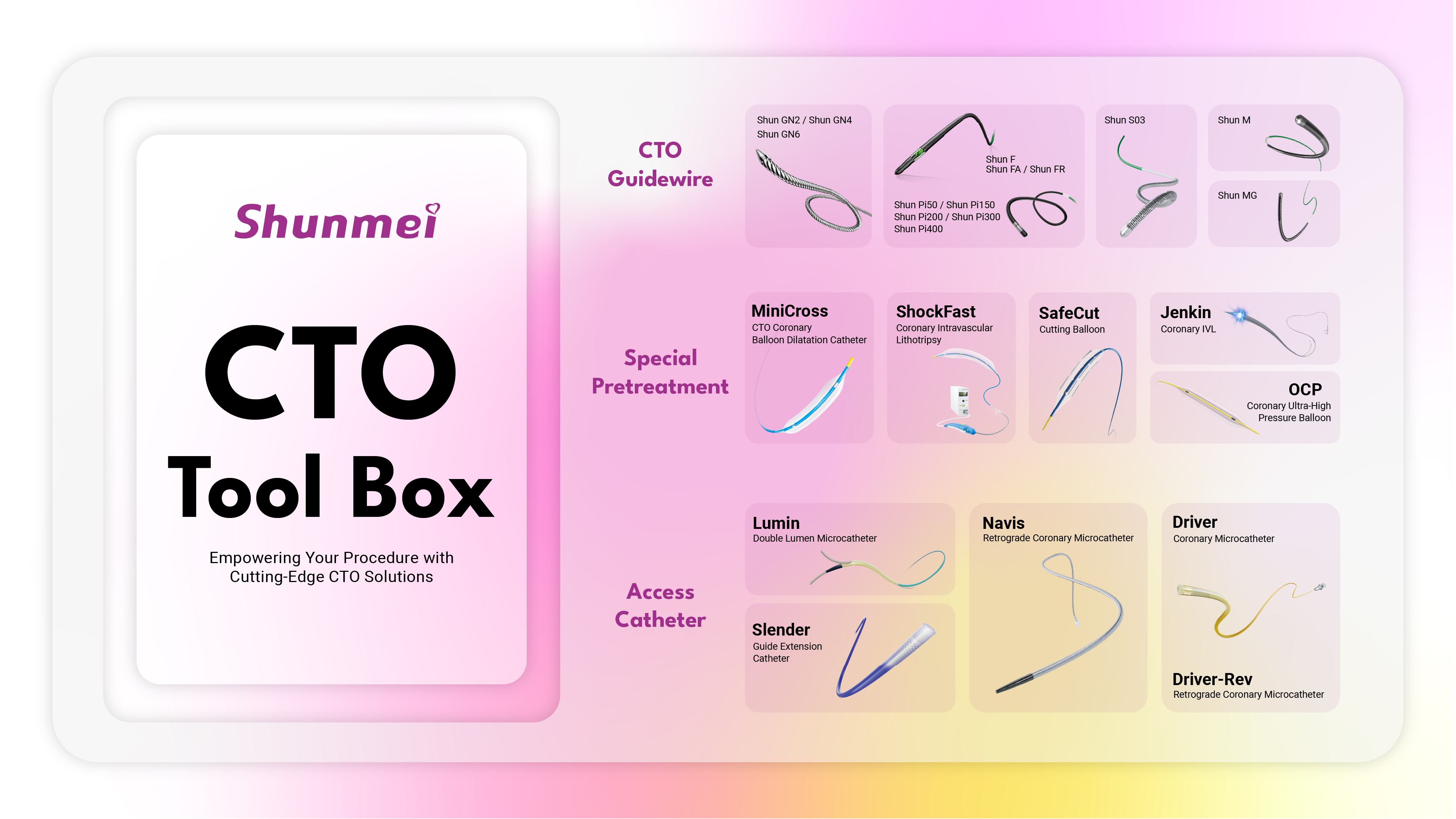
I treat focal, calcified, or fibrotic coronary lesions that resist standard balloon dilation, and the central question is how to choose a cutting balloon catheter that changes the outcome rather than adding risk. Device sizing, blade design, and how the catheter behaves during crossing and inflation determine success. When lesion access is marginal or support is poor, a guide extension catheter can make the difference between controlled scoring and an aborted procedure.
Why getting the choice wrong causes harm
Cutting balloons are designed to score the plaque, not to debulk it. Missteps—oversizing, excessive inflation pressure, or mismatched shaft support—lead to vessel dissection, perforation, or inadequate lesion modification that forces repeat procedures. I prioritize predictable cutting depth and a low crossing profile because those features reduce manipulation inside fragile segments and limit wire bias that causes asymmetric scoring.
Essential device attributes to evaluate before the lab
Look for these concrete features: blade configuration (number and bevel), blade exposure (flush vs. protruding), rated burst pressure, minimal crossing profile, shaft torque response, and catheter length options. Prefer blades engineered for uniform scoring to reduce focal stress. Check compatibility charts: some cutting balloons need larger guide catheters or specific guidewire diameters. Ask the rep for radiopaque markers and inflation volume-to-diameter curves so you know balloon behavior under fluoroscopy and when pressure rises rapidly.
Real-world anchoring: where support matters most
During complex PCI at the Cleveland Clinic, operators rely on short, supportive guide systems and adjuncts when treating in-stent restenosis or tight ostial disease; I observed that adding a guiding extension catheter often reduced procedural time and improved device deliverability. That observation aligns with registry reports and procedural reviews from high-volume centers that document improved success when device support is optimized before attempting plaque scoring.
Procedural technique: practical steps I use
Advance the cutting balloon over a well-positioned wire; confirm wire centering to avoid eccentric cuts. Use gentle pre-dilation if the lesion won’t accept the cutting balloon—small-step escalation. Inflate slowly to nominal pressure, hold briefly to assess scoring, then deflate fully before repositioning. If the balloon meets resistance during advancement, withdraw and reassess; forcing a scored balloon risks blade damage and vessel trauma. Always have a plan for bail-out stenting and imaging if results are unclear.
Common pitfalls and how I avoid them
Avoid oversizing the balloon by more than 0.25–0.5 mm; oversize and you cause deep cuts. Don’t apply excessive inflation time at high pressures—this increases dissection risk. Beware wire bias: if the guidewire hugs one wall, scoring will be uneven. Don’t forget guide support: poor coaxiality or a flimsy guide can twist the cutting shaft and reduce blade engagement. Finally, don’t skip post-procedure imaging when results are suboptimal—IVUS or OCT confirms whether additional therapy is needed.
Alternatives and when to choose them
Choose a cutting balloon when controlled scoring is needed for focal fibrotic lesions or underexpanded stents. Prefer scoring balloons for longer, diffuse disease where focal blades aren’t suitable. Use rotational or orbital atherectomy for concentric heavy calcification that requires modification beyond scoring. High-pressure noncompliant balloons belong when uniform vessel expansion is the goal after adequate plaque modification.
Decision checklist I follow before insertion
Confirm guide size and support; verify balloon vs. vessel sizing; plan wire strategy to minimize bias; prepare a supportive device such as a guiding extension if deliverability looks marginal; review bailout strategy including stent sizes and imaging tools. If any single item raises doubt, resolve it before advancing the cutting balloon.
Conclusion: what consistent choices deliver
I want predictable scoring, minimal trauma, and a single definitive procedure. That outcome depends on judicious device selection, deliberate technique, and support planning that often includes adjuncts for deliverability. When those elements line up, the result is controlled plaque modification and durable luminal gain, which is precisely the practical value I expect from partners like Shunmei.