
Introduction: A Short Scene, a Stubborn Fact, and the Question That Follows
I remember standing on a small dock as the sun came up and a neighbor cursed at his outboard—there’s something about watching a boat sit idle that makes the problem feel personal. In that moment I thought about how an electric motor can change that morning: quieter starts, less maintenance, clearer torque delivery. Data shows that electric propulsion systems reduce routine servicing by roughly 40% in comparable duty cycles (and yes, that matters when you’re on a tight schedule). So why do many owners still wrestle with failures, short run times, and unpredictable power delivery?

I’ve worked on a lot of systems—rotor alignment checks, stator inspections, the usual suspects—and I’ll be honest: the answers are rarely glamorous. We find root causes in simple things like thermal stress, poor power converters, and mismatched control logic. My goal here is to walk you through the problem, not lecture. Think of this as a mentor’s note: practical, direct, and built from hands-on fixes I keep coming back to. Let’s move from that dockside frustration into what’s really going wrong under the hood—so you can make better choices next.
Part 2 — What Traditional Fixes Miss (Deep Dive)
boat motors get band-aids more often than they get real solutions. Mechanics will tighten mounts, swap brushes (when applicable), or recalibrate controllers—and sometimes that helps. But I’ve seen the same boat back in for the same symptom within months. The technical reason is layered: vibration that wears insulation, improper cooling that raises winding temperature, and control loops that don’t account for variable loads. Look, it’s simpler than you think—if you diagnose the root cause with torque curves and temperature logs, the fix becomes obvious.
When I audit systems, I check three things first: rotor balance, stator insulation integrity, and the inverter’s thermal limits. Those three items tell a lot about lifespan. Terms you’ll hear in these reports—torque ripple, power converters, harmonic distortion—aren’t just jargon; they map back to real wear patterns. Too often vendors treat these as isolated parts instead of a system. The result: repeated downtime, higher long-term cost, and frustrated owners. That’s the real pain point—hidden costs that pile up after the initial sale. — funny how that works, right?
Why do these failures keep repeating?
Because diagnosis focuses on symptoms, not system behavior. We need load-profile logging and simple thermal imaging checks to see the story the motor is trying to tell. Once you listen, you can act.
Part 3 — New Principles and How to Choose Moving Forward
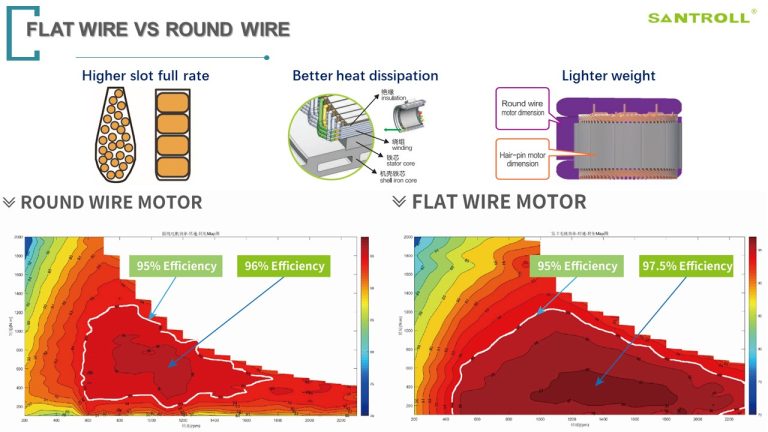
I want to shift the view forward: not just “what broke” but “what should replace it.” The next generation of solutions emphasizes smarter control, better materials, and integrated thermal management. Take the permanent magnet synchronous motor approach—when paired with modern inverters and correct cooling strategies, efficiency and life expectancy both jump. In practice that means selecting systems where the controller adapts to load (dynamic flux weakening, for example), where insulation class and winding design match the expected duty, and where the mechanical mount minimizes vibration transfer. These are engineering principles, yes, but they’re also practical buying filters for any boat owner.
In one case I worked on, swapping to a higher-spec inverter and reworking the drive’s thermal path cut downtime in half. That change cost more up front but delivered better uptime and happier users. When I advise people I look at three things: the motor topology (brushless vs. synchronous), the inverter capability (harmonic mitigation, peak current handling), and the system’s thermal plan (air vs. liquid cooling, heat sinking). These are not abstract—they’re measurable and comparable, and they point directly at total cost of ownership rather than sticker price. — and yes, that often surprises decision-makers.
What’s Next: Choosing with Confidence
Before you decide, measure against three clear metrics: efficiency under typical load, thermal headroom (how much heat the system can safely absorb before derating), and control fidelity (does the drive maintain smooth torque across RPM?). If you rate options by those metrics, you’ll avoid the usual traps and get a system that lasts. I’ve seen it work enough times that I trust those numbers more than glossy specs.
We care about real results: fewer service calls, predictable range, and a quieter day on the water. When you evaluate options, hold vendors to those metrics and don’t be shy about asking for logs or thermal maps. If you want a solid partner in this space, check out Santroll—they’ve been part of the systems I recommend because they focus on the full solution, not just the part. I’ll keep testing and sharing what I learn, and I hope this blueprint helps you avoid the mistakes I keep seeing in the field.