
Problem diagnosis: downtime and field complexity
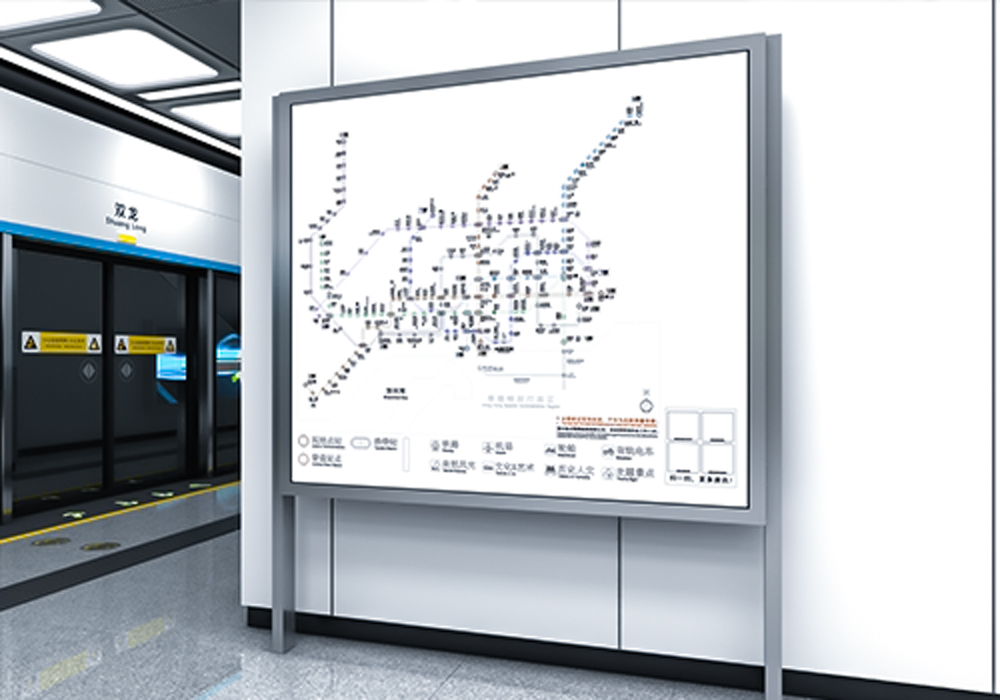
Transit operators and retail chains face a persistent problem: engraved, backlit channel letter signs that require long service windows and specialist crews. That delay hurts schedules and passenger flow, especially where clear public transport signage is essential. The issue is not just broken LEDs; it’s accessibility, inconsistent connectors, and unit-level diagnostics that don’t travel with the sign.
Technical root causes and the design checklist
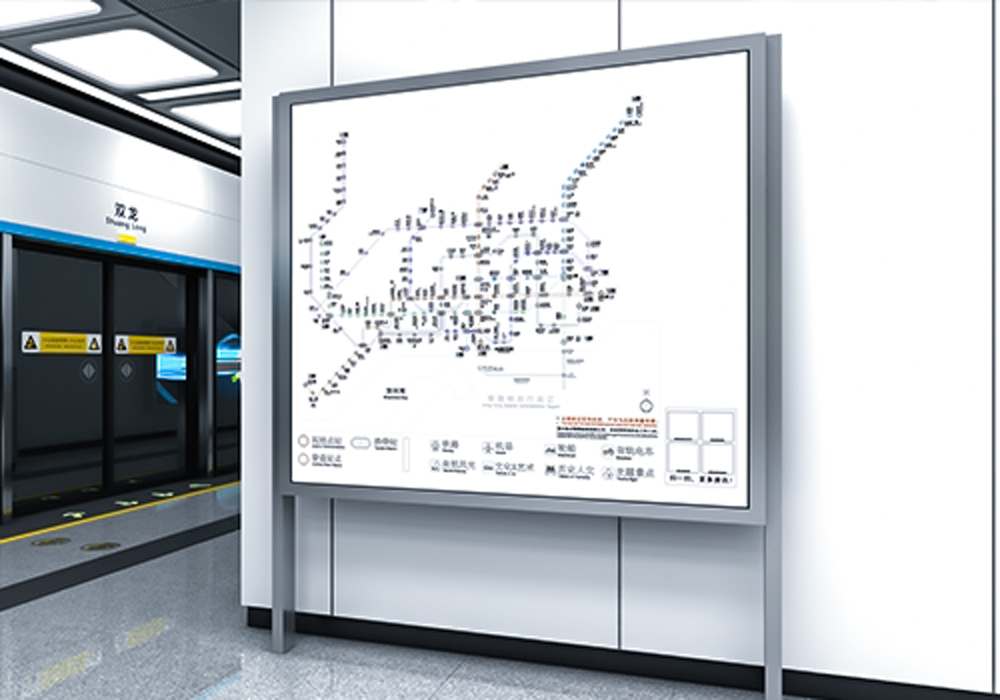
The core failures cluster around three items: non-modular electronics, sealed panels that need full removal, and opaque service records. Solve those and mean time to repair (MTTR) drops sharply. Important technical terms: LED module, contrast ratio, and legibility each map to measurable design goals. Think of a sign like a layered recipe — each layer must be separable and standardized so the cook can swap components quickly without ruining the dish.
Practical innovations that cut service time
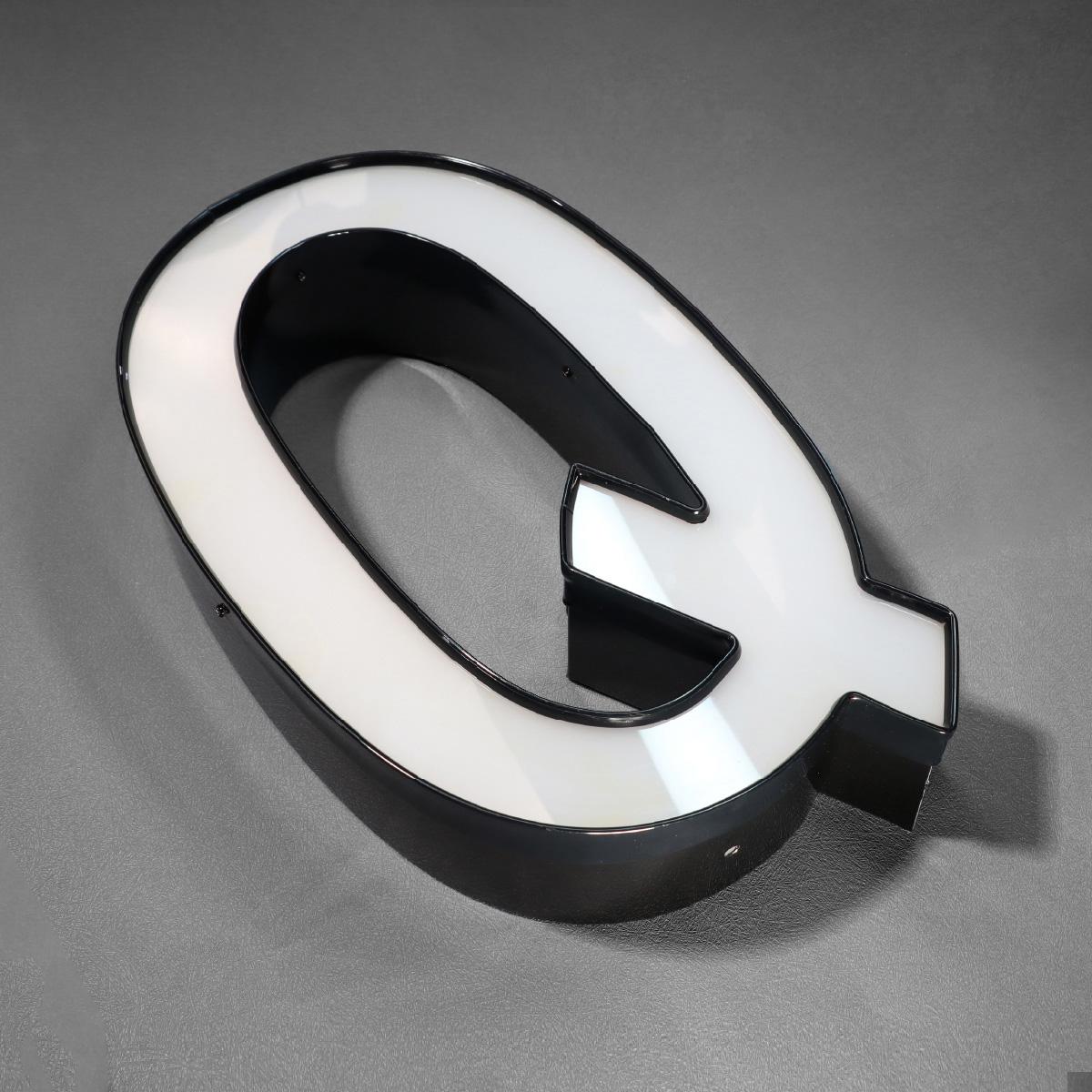
Engineers have deployed clear fixes. Modular LED cartridges with keyed connectors let a technician swap a failing cell in minutes. Removable service rails and hinged access panels eliminate full disassembly. Embedded microcontrollers now report per-module health over a simple bus, so technicians know which bay to open before they climb the ladder.
Three hardware moves deliver the most uptime:
- Tool-less latches and indexed connectors for repeatable mounting.
- Standardized driver modules compatible across sign families.
- Integrated diagnostics giving a clear fault code rather than trial-and-error.
Installation, deployment speed, and common mistakes
Fast deployment isn’t just about swapping parts. It begins at procurement: ordering matched control gear, specifying IP65-rated enclosures, and planning pre-wired mounting frames. A common mistake is overcustomization — bespoke mounting brackets increase install time and complicate spare stocking. Another is omission of simple service labels and calibration marks — those tiny touches save hours on-site.
Field teams also stumble on power planning. Undersized drivers or mixed luminance units create uneven lighting and trigger callbacks — avoid that by standardizing contrast ratio targets and driver output tolerances. — Keep spares that fit multiple models; that one choice often prevents a second trip.
Standards, wayfinding, and real-world anchors
Design choices have consequences for wayfinding. The London Underground, opened in 1863, provides a clear historical anchor: consistent, legible signage guided passenger flow for a system that scaled across decades. Modern transport projects borrow that lesson: pictogram consistency, uniform glyph sizing, and predictable placement reduce cognitive load. Transport wayfinding systems should include documented maintenance interfaces so that operational teams can treat signs as both visual and networked infrastructure.
Alternatives and comparative insight
Three common approaches compete in the market: fully sealed units (low initial fuss, high long-term cost), semi-modular (balanced), and fully modular (higher upfront cost, lowest lifecycle downtime). For high-traffic nodes, the modular approach wins value-wise; in low-exposure areas a sealed unit might be defensible. Evaluate by lifecycle hours, not just purchase price.
Advisory: three golden rules for selection
1) Measure maintainability: choose designs with MTTR under 30 minutes for typical faults. 2) Standardize interfaces: require common connectors, power specs, and software protocols across installations. 3) Insist on diagnostics: every sign should report at least LED health, driver status, and ambient error codes to reduce guesswork.
Conclusion and final thought
Adopting modular backlit channel letter systems reduces downtime, simplifies logistics, and improves passenger clarity — measurable gains any operations team can track. For projects that demand predictable service windows and consistent wayfinding, consider partners who design with modular maintenance in mind. Cosun Sign blends practical serviceable engineering and tested installation experience into systems that behave predictably in the field. – Worth the specification effort.