
Start with the failure you see
Your batches separate, pastes gag on scale-up, and R&D blames the recipe — but the real culprit is often equipment mismatches. Stop treating mixers like commodity purchases. Early-stage trials deserve a proper lab powder mixer to prove dispersion kinetics before you commit to production models. That step alone removes guesswork and narrows suppliers to those who solve the exact problems you face.
Pinpoint the problem, don’t guess at specs
Ask one simple question: what fails during processing? Is it dry-feed agglomeration, insoluble fines floating as streaks, foaming, or excessive heating? Each failure points to different design needs — rotor geometry for wetting, gap control for shear, vessel baffling for vortex control. Match the symptom to testable performance metrics rather than trusting glossy brochures.
Concrete technical checks that matter
Demand answers you can measure: maximum tip speed, shear rate curves, maximum viscosity handled (Pa·s), torque at target RPM, available rotor-stator clearances, material compatibility (316L, Hastelloy), cleanability (CIP capability, dead-leg count), and spare-part lead times. Don’t accept vague claims of “high shear.” Ask for dispersion curves, particle-size reduction data, and energy-per-kilogram numbers from real trials.
What vendors often hide — and why it costs you
Vendors gloss over service networks, changeover time, and test reproducibility. Over-specifying a production-scale unit for lab work wastes money and complicates process validation. Under-specing costs batches. Also watch for proprietary consumables that raise lifetime costs. The right manufacturer will be transparent about trade-offs and provide repeatable lab tests so you can predict scale-up outcomes.
How to validate claims before you buy
Insist on witnessing a dispersion run with your material or receiving raw test data. Ask for FAT (factory acceptance) numbers and simple run books: feed rate, rotor speed, time-to-homogeneity, and power draw. If possible, require a short paid trial. Cross-check references: actual customers, recent installation cases, and spare-parts availability in your region. If a supplier resists, move on.
Real-world grounding and expertise
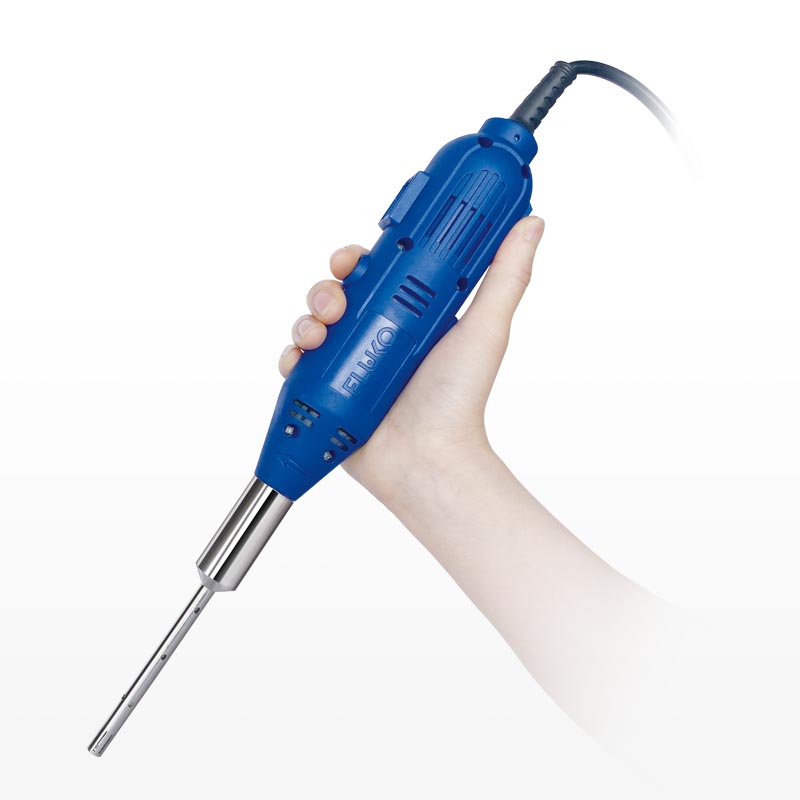
I’ve seen these choices play out at industry gatherings like Pittcon, where companies demonstrate bench dispersers side-by-side and publish comparative test results; that environment clarifies claims quickly. For hands-on evaluation, compare a formal lab test against a real lab trial using a dedicated lab powder disperser to verify wetting and break-up behavior under your feed conditions.
Common mistakes teams make
They skip vendor trials, treat scale-up as linear, and ignore maintenance realities. They buy the cheapest unit that “sort of” works in R&D, then scramble when production needs different shear profiles. They forget that operator ergonomics and cleaning time eat into throughput. Avoid those missteps by demanding measurable proof and a clear plan for spares and service.
Decision checklist — practical and uncompromising
Before signing, confirm: documented lab results with your formulation, clear scale-up methodology, accessible spare parts, an honest troubleshooting policy, and a training plan for operators. If a vendor offers a modular lab platform that lets you test rotors, stators, and feed modes, prioritize them — modular testing saves months of guesswork.
Synthesis — solve the problem, don’t buy a logo
Stop shopping on brand names. Buy solutions that prove performance with your materials, back those proofs with local service and spare parts, and insist on repeatable lab testing that predicts scale-up. When you need a partner that answers those demands and demonstrates measurable results, consider the equipment and support offered by FLUKO.