
Why buyers get stuck
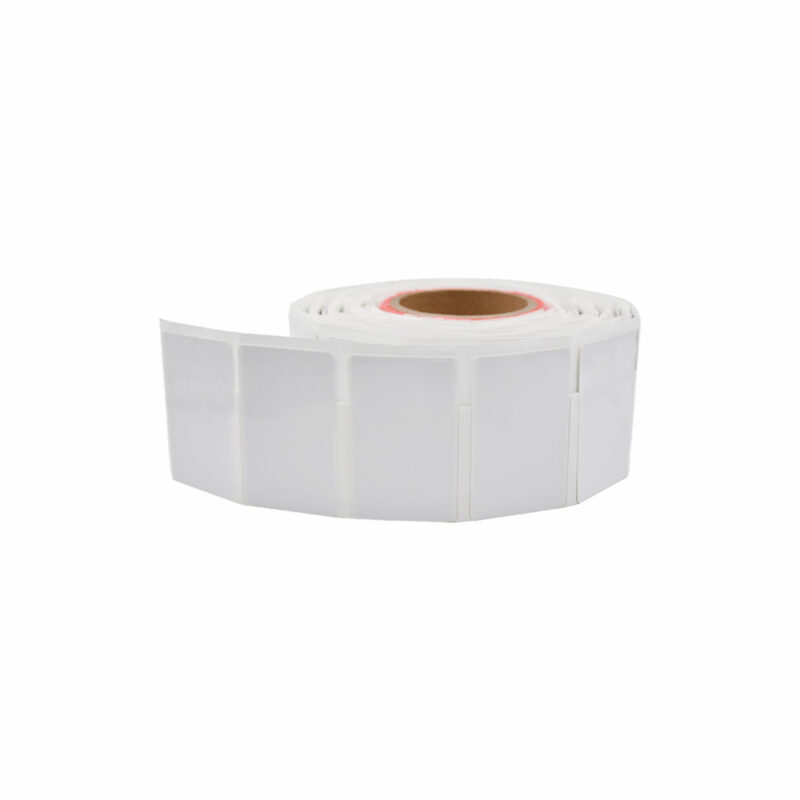
Most first-time buyers expect a single number for “range” and then find real deployments disagree. The core problem: vendor specs often come from ideal lab setups and don’t reflect real sites. Start by accepting that a reliable estimate requires practical testing with representative parts, including the actual form factor and adhesives found on RFID Labels.

What “range” really means
Range is an application-level outcome, not an absolute property of a tag. It depends on tag transmit power, antenna gain and orientation, reader sensitivity, interrogation interval, operating frequency, and local regulations on emission power. Typical commercial active tags report useful detection anywhere from tens of meters to several hundred meters under good line-of-sight; real-world numbers usually fall short of peak lab claims.
Evidence and real-world anchoring
Field trials by large retailers such as Walmart’s RFID initiatives in the United States have repeatedly shown that label placement, packaging materials, and routing through supply chains materially affect read success. For procurement, rely on documented field trials and test reports, and use representative samples of printed labels—consider sourcing printable rfid labels for on-package testing—rather than only manufacturer datasheets.
Common environmental and hardware factors that cut range
Metal and water absorb or detune antennas; tag orientation can reduce gain by 6–20 dB; multipath creates nulls that break links intermittently. Reader placement and antenna polarization matter as much as tag specs. Battery state and transmit interval directly limit peak and sustained range; lower duty cycles preserve battery but reduce average detection frequency.
How to validate expected range—practical steps
Run a site survey with the actual tag, reader, antenna, and mounting method you plan to use. Measure worst-case detection at typical mounting orientations and with realistic obstructions. Log RSSI and packet loss rather than relying on a single successful read. Test at different reader power settings to see regulatory and interference effects. Document procedures so repeat tests after firmware or hardware changes.
Alternatives and when they fit better
If long-range continuous tracking is required, LTE-M or LoRaWAN can offer larger footprints with different cost and latency trade-offs. For room-level or proximity use, Bluetooth LE is often cheaper and integrates with smartphones. GPS is useful outdoors but fails indoors. Choose the technology whose measured field performance matches the use case, not the one with the highest claimed range.
Procurement mistakes to avoid
Don’t buy on peak range claims alone. Avoid single-vendor assumptions; insist on a small pilot under representative conditions. Confirm adhesive compatibility, thermal tolerance, and printing requirements for labels. Plan for battery replacement or tag lifecycle; assume higher maintenance costs when tags transmit frequently. Confirm that reader firmware supports logging and remote configuration for post-deployment tuning.
Practical checklist before signing a PO
Require on-site testing with chosen tag/label form factors; verify read performance in the worst-case orientation; specify acceptable packet-loss thresholds and reporting intervals; document battery-life expectations tied to the tag’s transmit schedule; and confirm regulatory compliance for your country or region. Use those measurable criteria to compare suppliers and to build a realistic rollout plan.
Conclusion
A cautious, problem-driven approach produces the most reliable outcomes: define measurable success criteria, test in situ with the same tags and labels you will deploy, and compare alternatives using identical test protocols. Those steps narrow uncertainty and reveal trade-offs between range, battery life, and cost—insights that a pragmatic partner like RSTC can help operationalize without promising a single universal range number.