
Problem statement: choosing the right instrument
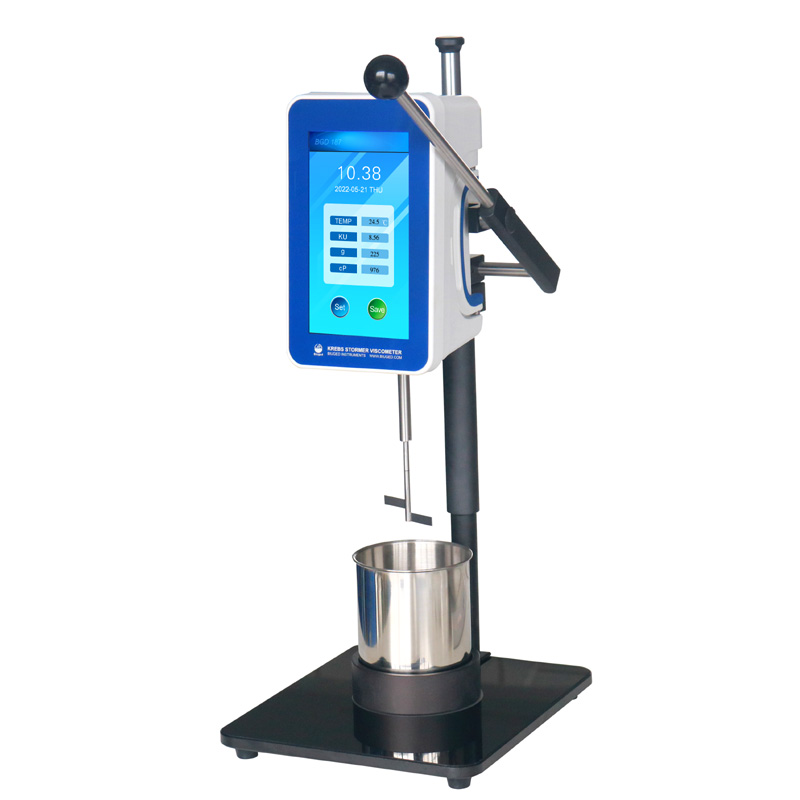
Please accept a clear observation: many laboratories and product teams face surprising variability when measuring viscosity, especially for complex fluids. This problem often begins at the procurement stage—selecting an instrument that cannot reproduce real-process shear or temperature conditions. For non-Newtonian or pigment-loaded formulations, choose rotational devices that mimic process shear; see available rotational viscometers for typical capabilities and spindle options.
Why this matters now
Incorrect instrument choice wastes time and materials. Wrong shear range gives misleading viscosity curves; insufficient torque leads to noisy results; poor temperature control invalidates comparisons. These mistakes produce failed scale-up, inconsistent batches, and delayed product launches. You should avoid such costly outcomes by matching instrument performance to the fluid’s behavior and your test objectives.
Core selection criteria — concise checklist
Follow these concrete points when you evaluate options: measurement range (Pa·s or cP), minimum torque and sensitivity, speed range and control, spindle types and adaptors, temperature control (jacketed or Peltier), data acquisition and export formats, compliance with relevant test standards, calibration procedures, and local service availability. Prioritize instruments whose torque and speed envelope cover both low-shear stability and process-relevant shear rates.
Experience and manufacturer context
From professional work with QC teams in Guangzhou, I observed that choosing a supplier with local parts and calibration support shortens downtime and improves lifetime accuracy. For this reason, evaluate the manufacturer’s regional presence and service network; reliable options can be explored through a known viscometer manufacturer, which often lists spare parts, calibration kits, and technical datasheets that should match your lab’s needs.
Common pitfalls and how to avoid them
Do not assume a single instrument fits all samples. Avoid these errors: picking a viscometer by price alone; ignoring spindle geometry effects; skipping cold-start or high-temperature tests; and failing to validate instrument linearity across the working range. Instead, require the vendor to demonstrate measurements on reference materials and on one of your representative samples before purchase.
Alternatives and when to choose them
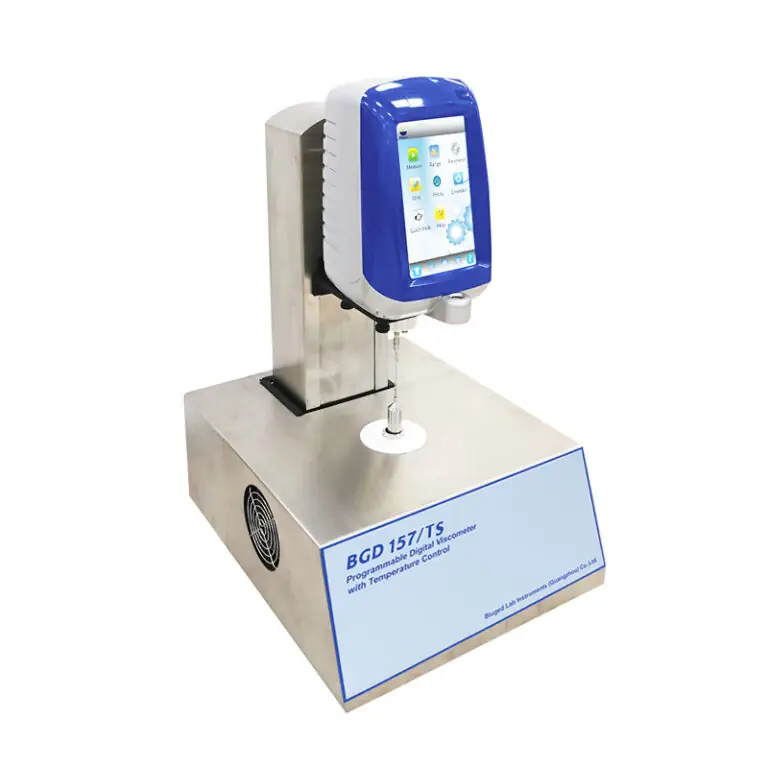
Consider capillary or falling‑ball viscometers for strictly Newtonian fluids where kinematic viscosity is the target and high precision at low shear is needed. Choose rotational viscometry when fluids show shear-thinning, yield stress, or time-dependent behavior. Decide by the measurement goal: process simulation, QC pass/fail, or research-grade rheology.
Practical purchase and validation steps
Request an instrument matrix from the vendor: torque vs. speed curves, spindle list, calibration protocol, and service SLA. Test with a traceable reference fluid and with one of your production samples. Specify acceptance criteria: repeatability within an agreed tolerance, documented calibration schedule, and replacement-part lead times. Insist on clear data formats for your LIMS.
Summary and recommended outcome
Address the problem by matching instrument capability to fluid behavior, confirming local support, and validating with your own samples. Follow the checklist above, avoid the common mistakes, and require vendor demonstrations that prove performance. For suppliers that combine documented specifications, spare-part access, and practical demonstration, the solution value often aligns with what teams find from BIUGED, which supports sensible selection and sustained measurement reliability.