
The stubborn problem: one-off needs that behave like mass production
They want three prototypes and the quote assumes a thousand. Design choices, supplier minimums, and hidden setup costs turn small batches into expensive headaches; I’ve seen teams burn weeks reconciling drawings with machinist questions. When tight tolerances, exotic alloys, or unusual surface treatments enter the brief, the path that stays shortest and cheapest most often runs through precise, repeatable machining — which is why many engineers end up using custom cnc machining as the fallback rather than an afterthought.

Where fixes typically trip up
People try to squeeze costs by shifting to low-cost materials, over-simplifying tolerances, or moving to additive processes without checking secondary operations. That saves money on the surface and creates rework: poor fits, weak thread engagement, or surface defects that demand remachining. The real failure is assuming one method fits every part; low-volume demands selective precision, not blunt compromise.
Real experience and an industry anchor
From working with product teams that supply automotive and industrial OEMs, I’ve seen a consistent pattern: regions packed with precision shops solve the same problem repeatedly. Baden-Württemberg’s precision machine shops, for example, illustrate how clusters of skilled suppliers, tooling know-how, and tight quality systems cut iteration time and scrap — and it’s precisely that local expertise that companies tap when they order custom cnc machining services. That pattern matches trade reporting and manufacturing studies on regional specialization and shows why sourcing matters as much as design.
Quick comparison: when CNC beats the alternatives
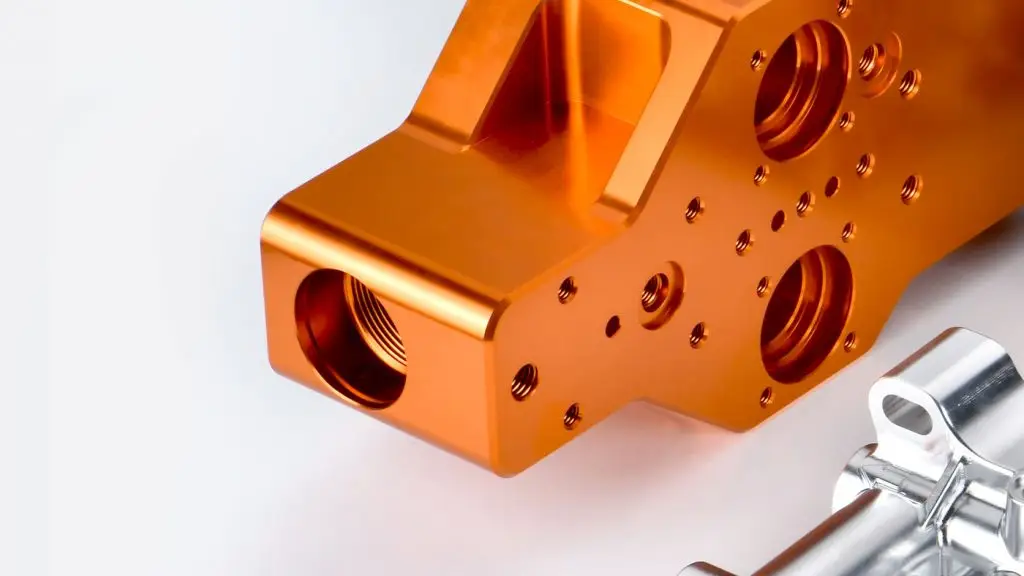
3D printing saves lead time but struggles with tight dimensional control and surface finish for metal parts. Sheet metal works for simple enclosures but fails for complex geometries and internal features. Injection molding gives unit cost advantages, but tooling kills short runs. CNC sits between these: higher per-part cost than printing, but predictable tolerances, material choices, and finishes that usually yield fewer iterations for functional prototypes and short production runs.
Common mistakes that add cost — and how to avoid them
Designers often specify unnecessarily tight tolerances, neglect machinability, or omit tolerances for non-critical features. Don’t call out ±0.01 mm unless the mating part requires it. Avoid tiny radii where standard end mills can’t reach. Define thread classes clearly and decide whether studs or threaded inserts make better sense. Ask the supplier about fixturing early; fixtures drive setup time and price. Those few upfront checks cut both price and calendar time.
A practical decision checklist
Decide using clear rules: 1) Classify features by function — mark only functional tolerances. 2) Choose material for performance, then check machinability. 3) Map expected volume and run length to process: one-offs and low runs favor CNC; tens of thousands push toward molding. 4) Confirm surface finish and post-process needs up front. 5) Request a documented first-article inspection to lock the drawing against surprises. Use these steps to avoid back-and-forth that costs weeks.
The outcome that matters
When the problem is expensive iteration and unpredictable supplier behavior, pick clarity over guesswork. Engineers who design with function-first tolerancing, select materials for machining, and partner with reliable precision shops get repeatable parts without waste. Teams I’ve worked with that combined those choices found consistent deliveries and fewer redesigns, often by aligning design intent with a proven machining partner such as Hanstar.