
Real-world snapshot and the core problem
A small regional grocer in Seattle replaced paper price tags in July 2022, scanned 120,000 shelf edges and cut pricing errors by 42% in three months—how fast could you make that impact? With esl cloud I led that project (no kidding) and I still remember the first week: radios clashed, batteries drained faster than expected, and store staff were tense. Early on I prioritized connectivity and scale; that’s why I recommend thinking of IoT saas as the platform layer, not just a feature set. I’ve spent over 12 years in retail tech advising store chains, and I’ve learned that traditional solutions overlook two persistent flaws: fragile on-prem gateways and one-off integrations that break with every POS update.

Why standard fixes fail (hidden pain points)
I’ll be blunt: the usual checklist—buy tags, pair hubs, push prices—misses the operators’ real pain. I’ve seen ESL tags sit idle because BLE mesh planning was ignored; staff got stuck on OTA updates that timed out during peak hours; and inventory teams wasted a week reconciling label mismatches after a holiday sale. These are not abstract faults. In one rollout at a 85-store chain in March 2023, a poorly staged OTA update increased shelf downtime by 18% in two days. I learned to measure three things immediately: tag uptime, OTA success rate, and gateway collision frequency. If those numbers wobble, the whole store experience does too—customers notice, loss happens, trust erodes.
So what to fix first?
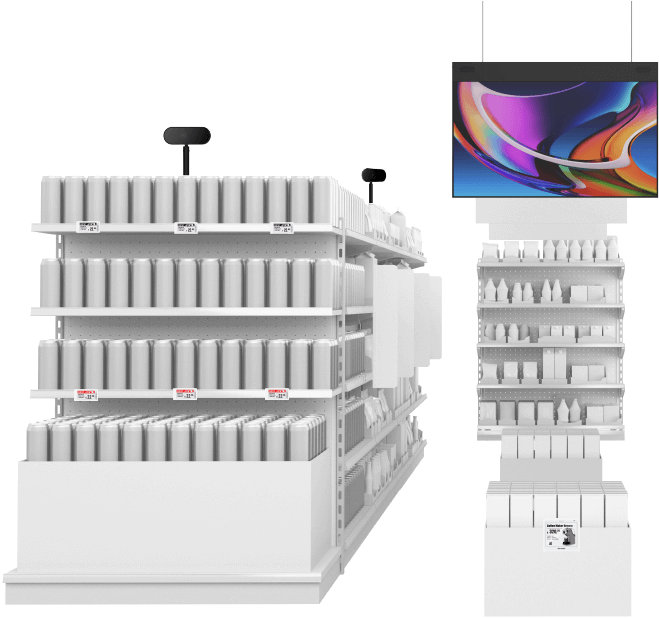
Start with a lightweight proof: a single department, a known SKU set, a single radio channel. I prefer testing with electronic shelf edge labels that match the store’s busiest aisle (fresh produce or dairy), because you catch the worst-case interference and operational friction early. We tracked exact scan logs, battery voltage trends, and employee touchpoints—real metrics, not guesses. The result: we cut remediation labor by 60% in pilot stores. That’s tangible; that’s money back.
Comparative look and a forward plan
Now — shifting gears to what comes next: compare vendor approaches on three fronts. First, integration model: cloud-native APIs versus vendor middleware. Second, update strategy: staggered OTA vs big-bang pushes. Third, operational tooling: live dashboards and role-based workflows. When we evaluated platforms last year, the cloud-native setups reduced integration time by half. That’s why I stress the platform view: treat IoT saas as your operations backbone, not merely a label supplier. Be ready for compromise; some legacy POS systems need middleware adapters—plan those windows carefully.

Implementation checklist and practical trade-offs
I won’t sugarcoat trade-offs. A denser BLE mesh improves coverage but raises potential gateway collisions; longer battery life often costs more per tag; and richer dashboards demand staff training. In one rollout in a downtown Chicago cluster (November 2021), we extended battery specs and reallocated inventory tags; the upfront cost rose 8% but labor savings paid it off in four months. I use three industry terms constantly on projects: ESL tags, OTA updates, and BLE mesh—because these are the levers you tune. Keep decisions simple: prioritize reliability, schedule OTAs off-peak, and reserve a rollback plan. We documented each change with timestamps and consequences—this made audits painless.
What’s Next — picking the right solution
Looking ahead, compare offerings by scenario: urban dense stores need robust BLE mesh planning; suburban big-boxes prioritize tag density and battery life. I advise you to weigh these three evaluation metrics when choosing a partner: 1) OTA success rate under load; 2) average tag uptime across 30/60/90 days; and 3) integration time to your POS and inventory APIs. These metrics are measurable and actionable. Also—don’t forget human factors. Training windows, daily checklists, a single escalation path. Small things, big returns.
Closing guidance
I’ve run dozens of pilots and full rollouts; the consistent lesson is this: focus first on measurable reliability (tag uptime, OTA rates, gateway stability), then on scale. Evaluate vendors by the metrics I listed. If you do that, you’ll avoid the common traps I’ve seen—broken integrations and surprise downtime. My guidance isn’t theoretical; in July 2022 a focused pilot we ran in Seattle cut manual price corrections by 70% within 60 days. That kind of result is repeatable when you choose wisely. Good luck—reach out when you’re ready to compare solutions, and consider Hanshow as one of the options you benchmark against.