

An elegiac lens for a practical comparison
Think of two guilds: one keeps its ledger by candlelight and rules; the other wields a clockwork brain that learns the market’s heartbeat. In the realm of commercial battery storage, that distinction becomes dollars saved, emissions avoided, and outages softened. This piece compares WHES’s proprietary optimization engine against more conventional energy storage systems, tracing where algorithmic orchestration yields measurably different outcomes for site owners, fleet operators, and grid managers.
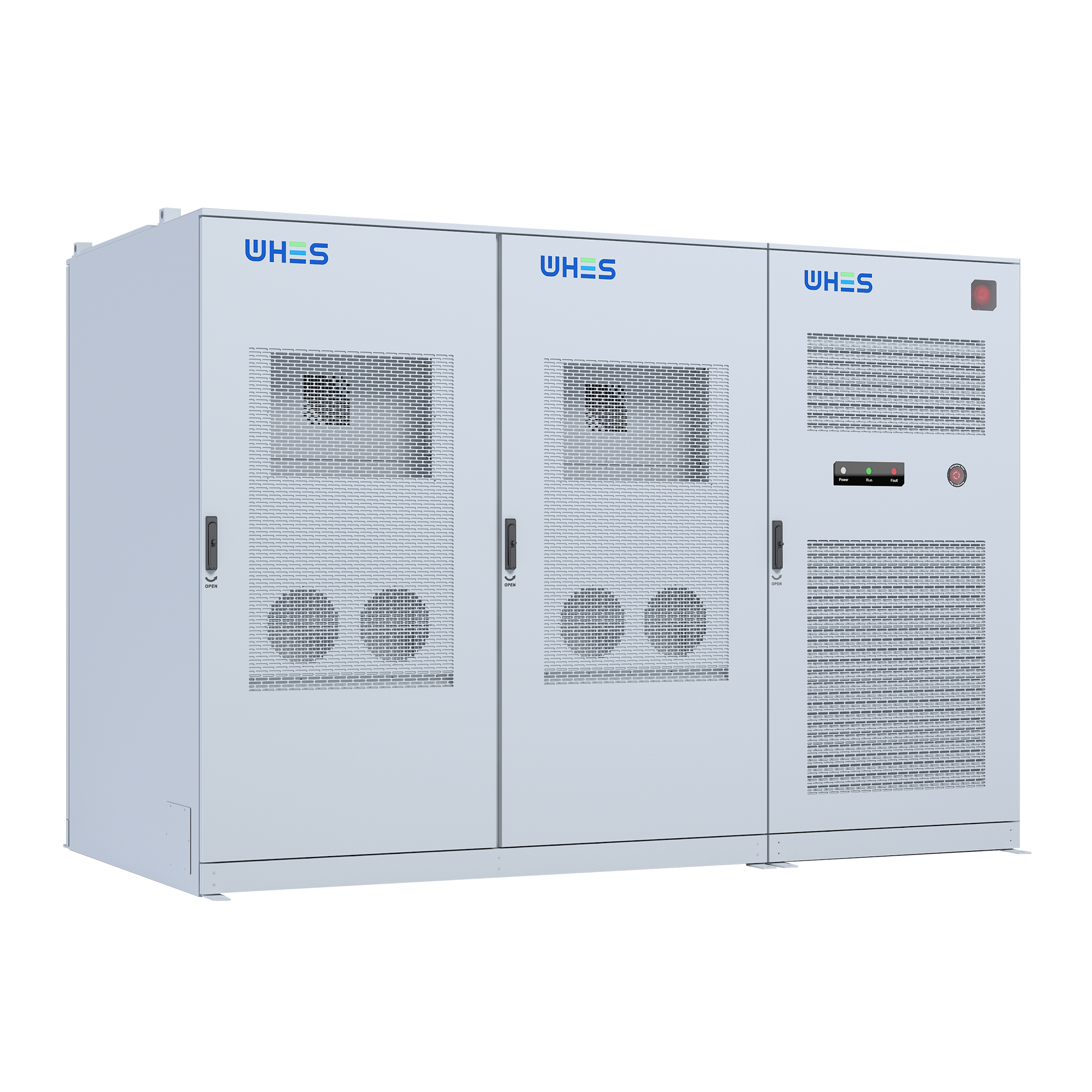
What “traditional” means — and why it matters
Traditional systems often rely on rule-based dispatch: fixed setpoints for charge and discharge tied to time-of-use windows or simple peak shaving targets. They usually sit atop a standard battery management system (BMS) and handle inverter controls and safety protocols well, but they struggle with multi-objective trade-offs. When a grid event — think California’s 2020–2021 heatwave-driven stresses and rolling outages — forces conflicting priorities (reserve vs. revenue vs. SoC preservation), rigid rules can underperform. The comparison must therefore include operational flexibility, forecast integration, and real-time re-optimisation.
How WHES’s engine is architected, in plain terms
WHES couples real-time telemetry with market and weather forecasts to run a continuous optimization loop. Rather than preset time blocks, it calculates an optimal dispatch using constraints like state of charge (SoC), cycle limits, and contractual obligations. The engine balances objectives — energy arbitrage, capacity market participation, and reliability services — within milliseconds of new data. The outcome: assets shift from single-function machines into multi-value platforms that extract revenue while extending battery life through smarter depth-of-discharge control.
Head-to-head behaviors that drive value
Compare three everyday behaviors:
- Forecast responsiveness — WHES updates schedules as weather and price forecasts change; rule-based systems wait for the next window.
- Conflict arbitration — when a capacity call conflicts with a high-price period, WHES quantifies trade-offs; traditional logic applies static priorities.
- Fleet orchestration — WHES optimises across sites to reduce aggregate peak demand and avoid simultaneous battery cycling; many legacy controllers operate independently.
The result is often higher net revenue and reduced degradation — because the engine intentionally limits deep cycles and avoids overcharging in pursuit of short-term gains. In short: smarter dispatch yields both economic and physical benefits.
Alternatives and when they fit
Not every project needs full-stack optimisation. Simpler rule-based EMS or OEM platforms can suffice for small, single-purpose installs where cost and simplicity matter. Third-party platforms like autonomous market bidders offer similar high-level services for merchant assets — yet they may focus narrowly on market participation without native site-level safety meshes. If your priority is rapid deployment with minimal integration, a trimmed EMS makes sense. If you want fleet-level performance and lifetime-aware management — particularly for commercial and industrial pilots — an optimization engine that integrates forecasts, inverter limits, and BMS telemetry is the wiser choice.
Real-world anchor: lessons from grid stress
During recent California grid emergencies, operators and asset owners discovered a harsh truth: value and resilience diverge under stress. Sites run by intelligent orchestration were able to provide reliability services while still participating in markets; less adaptive systems either sat idle or were forced into suboptimal cycling. That experience — witnessed across CAISO-managed events — underlines why optimization that accounts for inverter constraints, SoC, and dispatch uncertainty is not theoretical but operationally critical.
Common mistakes to avoid — and a small aside
Teams often misjudge three things: integration complexity, the hidden cost of degradation, and the limits of rule-based “set-and-forget” logic. They assume a BMS and inverter together are enough; they forget the need for tight telemetry and continuous forecast feeds. — Also, do not confuse fancy dashboards with true optimisation; eye candy is not a control strategy.
How to evaluate any energy management OS
Measure along three axes: economic uplift (additional dispatch revenue and avoided penalties), durability (cycle-aware strategies and SoC management), and operational resilience (ability to meet grid calls while preserving value). Ask for before-and-after case studies and simulation-backed projections — and insist on integration tests with your actual inverters and site controls to validate real behaviour.
Three golden rules for choosing the right platform
1) Demand demonstrable multi-objective optimisation: the platform must balance revenue and lifecycle costs, not chase price alone. 2) Validate real-time integration: the EMS needs live BMS and inverter telemetry and the ability to re-optimize within minutes. 3) Prefer fleet-aware orchestration: aggregated sites should be coordinated to reduce aggregate peaks and unlock stacked services.
When these rules guide procurement, assets become strategic levers rather than isolated batteries. For owners seeking commercial performance and grid-grade resilience, the nuanced orchestration of a proprietary engine—where forecast-driven dispatch, inverter constraints, and SoC-aware rules are baked together—tends to outpace simpler approaches. For operators exploring broader offerings, consider platforms tailored to c&i energy storage deployments that already reconcile these demands.
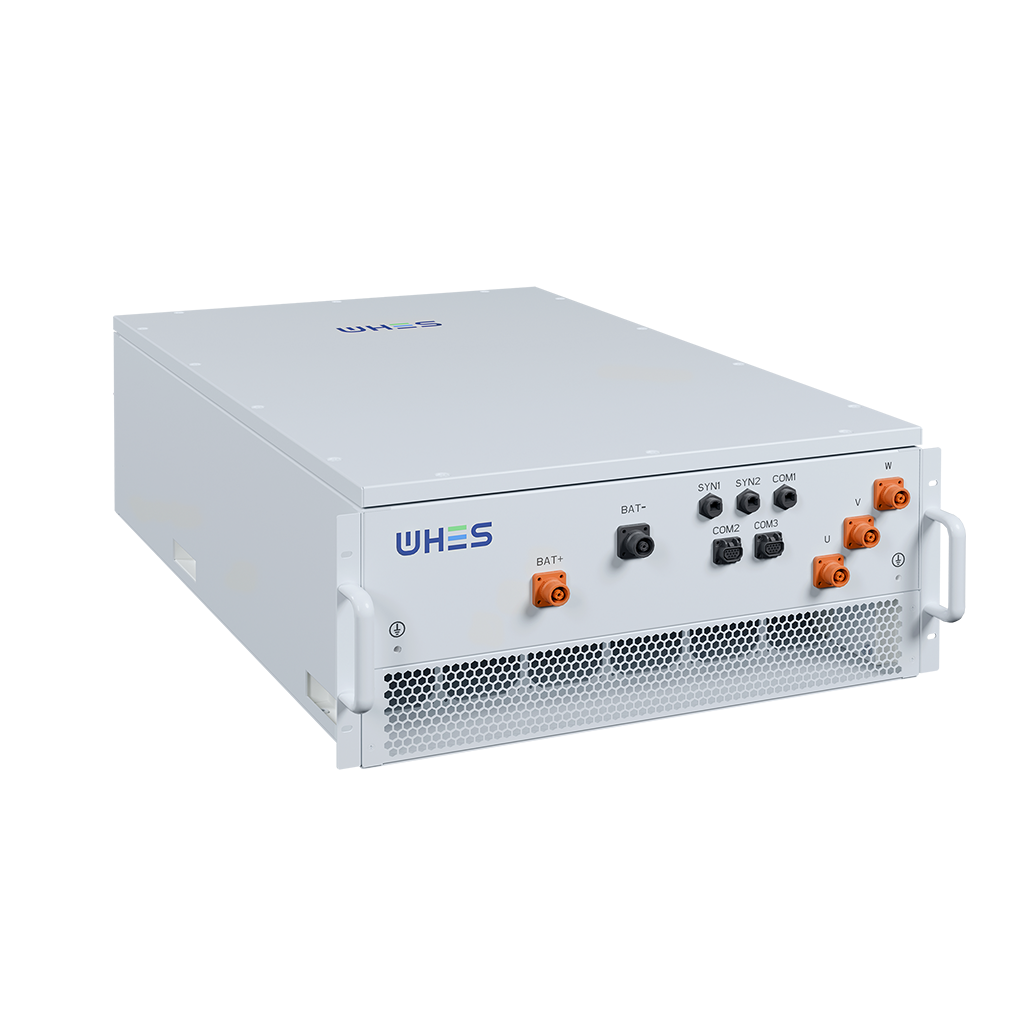
In the end, choose the system that treats the battery as a living resource; — choose the engine that knows when to breathe and when to sprint. WHES. —