
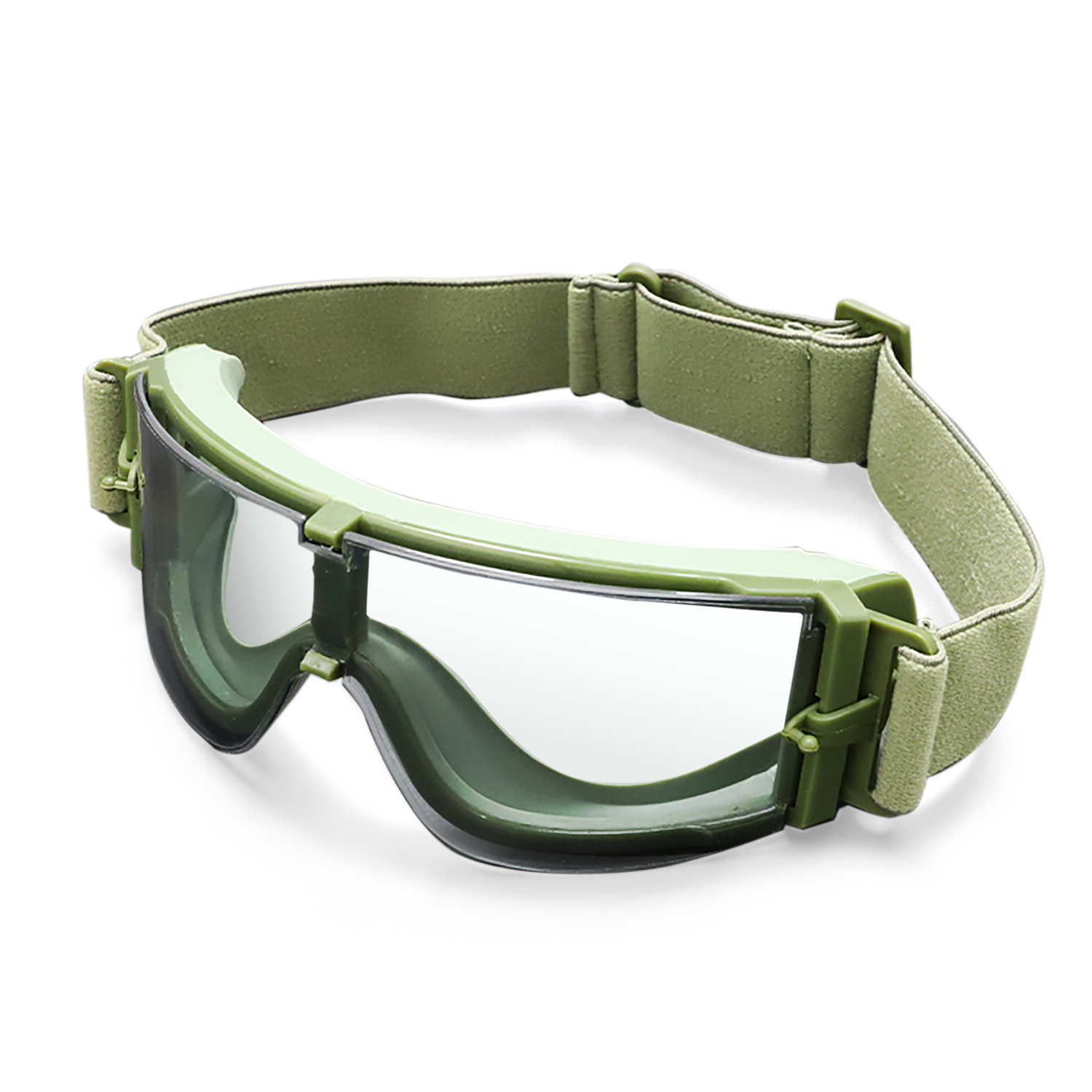
User-focused comparison to guide a confident buy
Parents want protective, comfy eyewear that survives tumble after tumble—this is a pragmatic comparison that centers the child’s day on the hill. I’ll look at how strap elasticity and frame flexural fatigue shape fit, optics and longevity, with attention to everyday features like anti-fog coatings and ventilation. If you’re also shopping for military-style toughness, see how tactical goggles stack up; likewise, some families prefer the clarity and prescription fit of tactical prescription eyewear when kids need vision correction on active days.
Why strap elasticity matters more than you think
Strap elasticity controls strap tension and therefore the seal between goggle gasket and face. A strap that’s too loose allows snow and wind; too tight creates pressure points and headaches. Elastic blends with silicone grip perform best because they keep the goggle aligned without shifting during turns. Pay attention to the stitching and buckle design—those small parts take repetitive load and often tell the tale before the strap itself fails. A simple at-home check: measure elongation after a few minutes of steady pull; gains beyond 15–20% usually mean the elastic is nearing end-of-life.
Frame flexural fatigue: the slow breakdown under real use
Frames flex with every impact and bend. Polycarbonate and TPU frames resist fracture, but repeated flex causes micro-cracks and loosening around the lens latch—this is classic frame flexural fatigue. Over weeks of use the frame’s ability to spring back diminishes, changing the curvature and optical alignment. Keep ANSI Z87.1 in mind as a benchmark for impact resistance when comparing specs; standards like that reflect real-world testing thresholds some manufacturers meet. Regular inspection for hairline cracks around hinge points prevents sudden failure on a crowded lift.
Comparative insight: materials, lens systems and real trade-offs
Brands often balance comfort, optics and durability differently. Lightweight frames with minimal foam win on comfort, but they may sacrifice long-term resilience. Ballistic-rated or reinforced frames add bulk and longevity—better for aggressive kids who crash hard. Lens coatings vary: anti-fog layers and hydrophobic finishes extend usable time on the mountain, while interchangeable systems let you swap tints for varying light. Over-the-glasses (OTG) friendly designs are essential if your child wears prescription glasses beneath goggles. The trade-offs are clear: choose based on typical activity level, not the flashiest feature. —A solid strap system is worth a lot more than an expensive mirrored lens if the goggle won’t stay put.
Common mistakes and simple durability checks
Most parents make two predictable errors: overtightening straps and assuming all plastics flex the same. Over-tightening accelerates both strap fatigue and frame deformation. Check the foam for compression set—if it doesn’t rebound within seconds, moisture and compression have reduced its sealing ability. For a quick flex test, hold the frame at the edges and apply a gentle cyclical bend; noticeable looseness or noise indicates developing fatigue. Replace when deformation affects fit or when strap elongation passes that 15–20% threshold—small, measurable signs beat waiting for a catastrophic break.
Three golden rules for choosing resilient kids’ goggles
1) Prioritise adaptable fit: look for adjustable straps with silicone grip and modular buckles so you can dial in strap tension reliably—consistent strap tension prolongs life. 2) Inspect for construction quality: choose frames with reinforced hinges and polycarbonate or TPU blends that show minimal creep under repeated flex. 3) Verify optical and safety specs: anti-fog coatings, interchangeable lenses, and adherence to recognized impact standards save time and reduce returns. These metrics are practical, measurable and will steer purchases toward real-world performance rather than marketing.
For families balancing prescription needs, sport performance and ruggedness, the right combination of strap design, frame material and lens system solves more problems than any single “pro” feature. YIJIA Optical fits into that solution space by pairing durable construction with thoughtful optics—an option that tends to outlast gimmicks. —Built to be relied upon.