
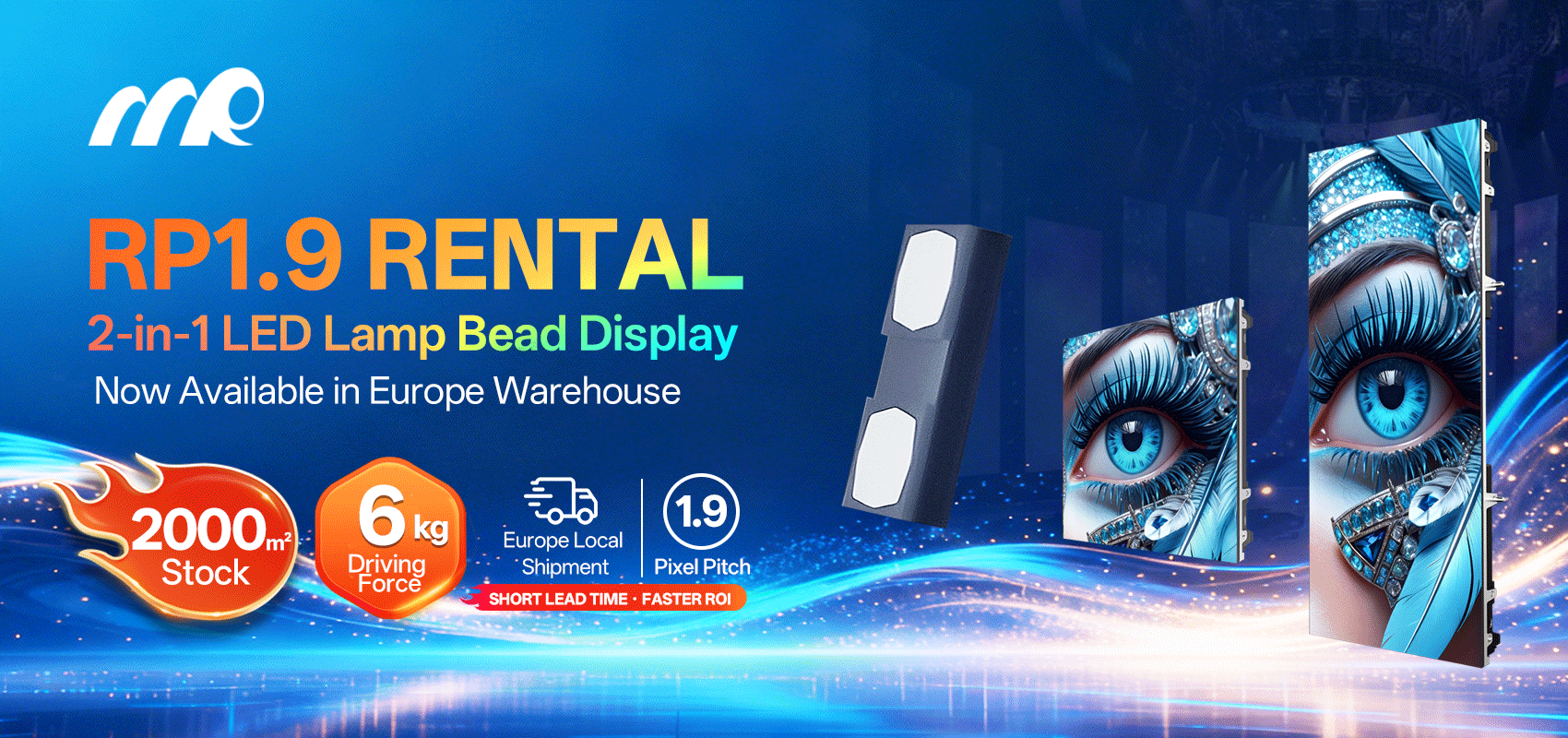
Comparative lead — why this comparison matters
Rental fleets and permanent installations travel different economic paths, yet both touch the same surface: the market for fixed outdoor display and mobile event work. For operators and planners weighing purchase versus rental, the calculus must include amortization, utilization rates, and the value of fast-rigging interlocking hardware. A public example like the luminous façades of Times Square shows how scale and speed redefine returns; the same principles apply to regional campaigns or touring stages using led display outdoor.
Cost anatomy: amortization, capex, and utilization
Amortization smooths capital expenditure over asset life. When a rental fleet is the subject, the math flips: earnings per hire must exceed depreciated cost plus maintenance. Include capex for LED cabinets, pixel pitch choices, and spare parts provisioning. Shorter asset lifetimes or rapid pixel pitch obsolescence accelerates amortization pressure. Practical accounting ties daily rental revenue to a realistic lifetime—five years is common for many flexible LED panels—so utilization rate becomes the single biggest lever on unit economics.
Hardware trade-offs: fast-rigging interlocking hardware versus conventional mounts
Fast-rigging interlocking hardware reduces labor hours and risk at each deployment. The trade is higher upfront cost per cabinet but lower per-event operational expense. For high-volume rental fleets, fewer crew hours and less downtime mean faster turnarounds and more bookings per quarter. Consider rigging repeatability as a productivity metric: if a system cuts rig time by 30–50%, that time savings compounds across hundreds of events. Interlocking systems also stabilize seams and alignment—important when pixel pitch is tight and visual continuity matters.
Operations: maintenance, transport, and failure modes
Operational realities shape fleet value. Transport damage, connector wear, and module replacement are recurring drains. Standardize cabling, use hot-swap modules, and keep a rotation of refurbished LED cabinets to maintain uptime. Pixel pitch choices influence weight, packing density, and transport costs; finer pitches often mean higher fragility. Planning preventive maintenance into rental cycles preserves value—yet some clients prefer the cheapest hire rate, so contractual SLAs and insurance must bridge expectations and reality.
Comparative outcomes: rental fleet, lease-to-own, and purchase
Rental fleets perform best when demand is frequent and variable—concert tours, corporate roadshows, or seasonal advertising. Lease-to-own suits mid-volume buyers who want capex smoothing while capturing residual asset value. Direct purchase works when installations are long-lived and stationary. Across these, two drivers dominate: utilization and turnaround time. Fast-rigging hardware nudges rental models toward higher utilization by lowering labor cost per deployment—and thus raises effective lifetime ROI.
Common mistakes and sensible alternatives
Operators often underinvest in spare parts and overestimate asset life. Overlooking rigging ergonomics leads to repeated damages. Choosing the cheapest LED cabinet without considering alignment or cabinet locking can force expensive on-site fixes. Sensible alternatives include modular inventory (mixing fine- and coarse-pitch panels), standardized interlocks for compatibility, and staged investments: begin with core cabinets and add fast-rigging frames as bookings justify the expense—this staged approach manages capex while improving service.
Three golden rules for choosing fleet strategy
1. Measure utilization realistically: calculate expected bookings per month and set a break-even rental rate that factors amortization and maintenance. Prioritize uptime and scheduling buffer.
2. Prioritize rig efficiency metrics: rig time per square meter, crew size per install, and mean time to repair. Fast-rigging interlocking hardware must justify itself within a defined number of installs.
3. Preserve residual value: standardize on modular LED cabinets, document maintenance, and rotate stock to avoid long-term performance decay. Insurance and SLAs should align with the chosen business model.
These rules guide procurement and operations toward a cohesive fleet strategy—one that balances immediate bookings with long-term asset health. The real-world lesson, as seen across high-visibility deployments in places like Times Square, is simple: speed and consistency pay more than occasional cheap gains. — Final thought: choose systems that make your teams proud and your balance sheet calmer. MR LED