
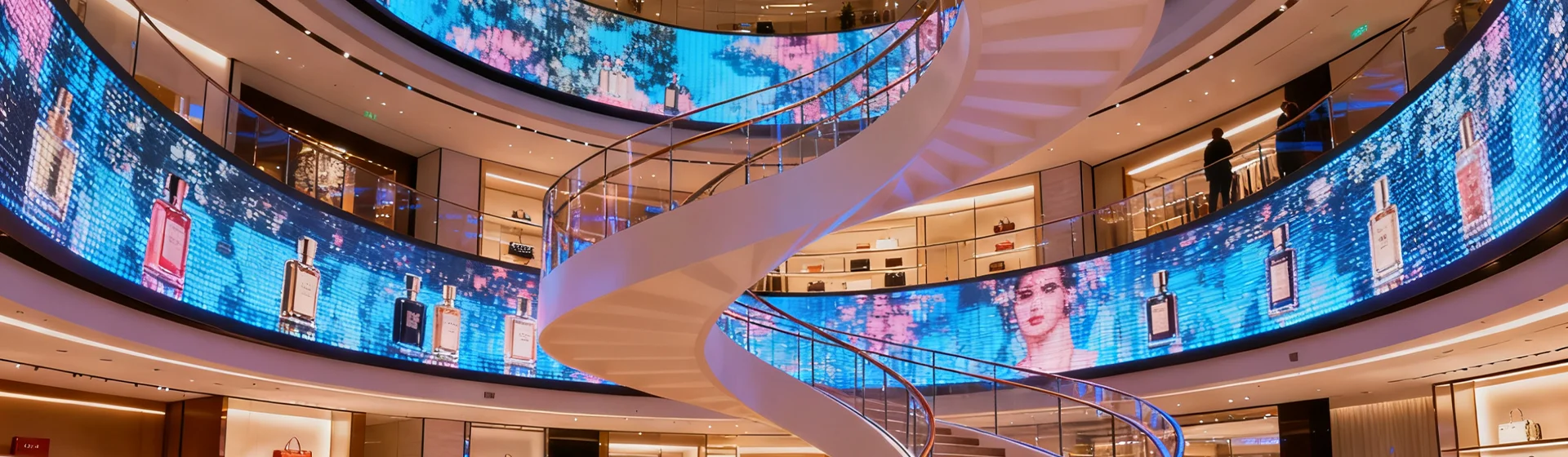
The problem: indoor displays that don’t convert
Retail teams deploy screens expecting impact but face low engagement because the hardware and content rarely match the space. Ambient light, viewing distance, and system latency all mute message clarity. A practical first step is specifying the right panel for the environment—see a typical indoor led display spec sheet before procurement. Key failure modes are mismatched pixel pitch, insufficient brightness, and inadequate control infrastructure, which translate directly into lost attention and lower ROI.
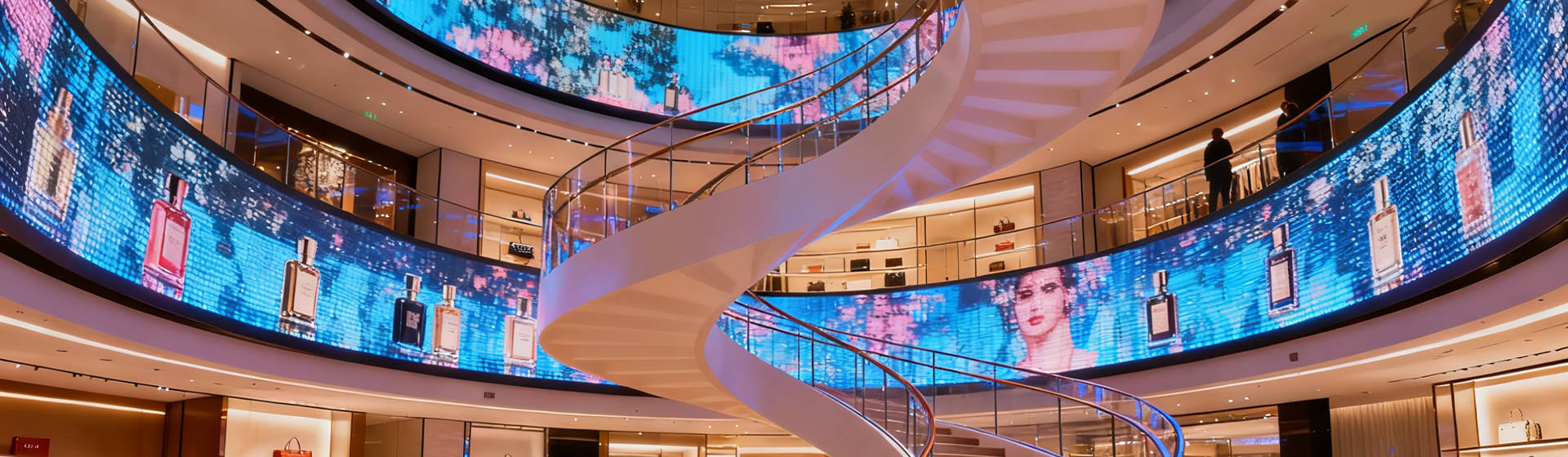
Technical diagnosis: what underperforms and why
Assessments must focus on measurable parameters. Pixel pitch dictates legibility at given viewing distances; a 2.5 mm pitch is different in use from a 1.2 mm pitch. Brightness (measured in nits) and ambient lux determine contrast needs. Refresh rate and frame buffering affect motion clarity for video content. Serviceability concerns—cabinet seams, modular panel access, and a robust control system—define uptime and maintainability. This operational production teardown references actual product classes: the terms indoor advertising led display and indoor led display appear in procurement documents and CAD layouts to avoid ambiguity during design reviews.
Implementation steps: hardware, software, and integration
Start with a mapping exercise: match typical viewer distance to pixel pitch and calculate required luminance against peak ambient lux. Specify front-access cabinets when wall cavities block rear service. Include redundancy at the power supply and a watchdog on the control board to reboot stalled controllers. Integrate a CMS with playlist scheduling and remote diagnostics so technicians can push calibration files and firmware updates without site visits. For video-heavy applications choose controllers with higher refresh rates and frame sync to avoid tearing—this improves perceived quality even with lower resolution panels.
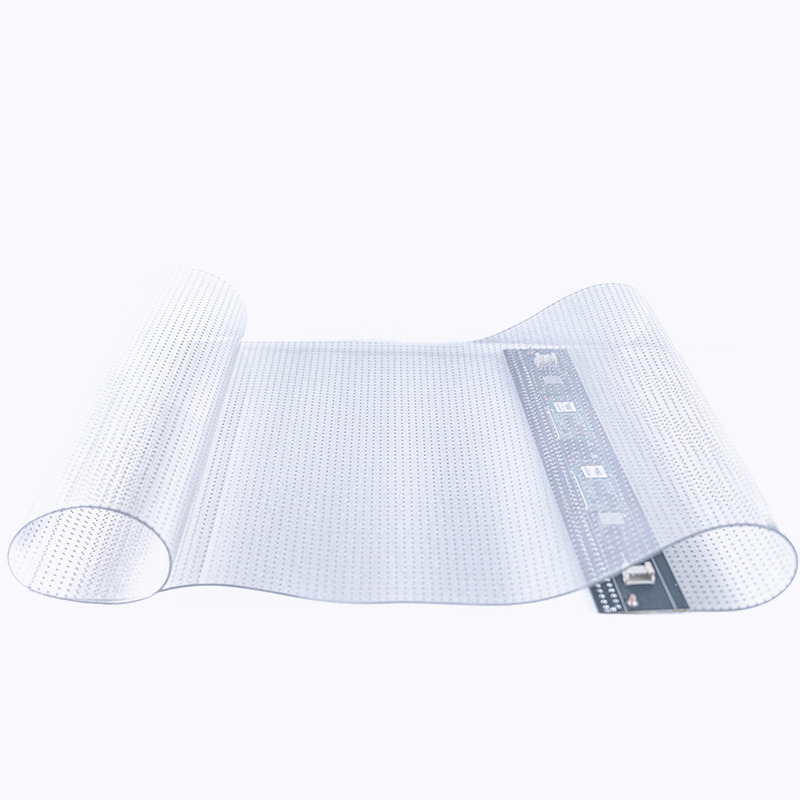
Common mistakes installers make
Overspecifying brightness for indoor use raises power draw and shortens LED life. Underspecifying pixel pitch reduces message clarity at prime viewing points. Ignoring thermal management leads to premature component drift and color shift. Skipping on-site calibration creates visible banding between cabinets. And using outdoor content assets for indoor placements often results in mismatched aspect ratios and poor legibility—content must be authored to match the exact pixel grid and color calibration of the installed system. A short aside here—don’t assume factory presets are final; a quick colorimeter pass in situ fixes most visual complaints.
Real-world anchor: a mall deployment case
At large mall concourses such as Westfield London, branded LED installations were revised to align pixel pitch with common dwell points and to reduce glare by adjusting mounting angles. The outcome was a measurable improvement in dwell-time quality as reported by onsite teams and observed engagement patterns around kiosks. That pragmatic change—matching hardware to human behavior—illustrates why technical specification matters as much as creative assets.
Maintenance and lifecycle considerations
Plan for consumables: power supplies, control modules, and spare LED panels should be stocked or on a rapid-swap SLA. Implement periodic calibration cycles and monitor MTTR from first fault report to full restoration. Log color drift and brightness degradation over time so replacement cycles align with warranty and expected luminous decay curves. These operational controls keep message fidelity high and operational costs predictable.
Advisory: three critical evaluation metrics for procurement
1) Pixel pitch to viewing distance ratio — target at least 1 mm per meter of optimal viewing distance as a baseline; adjust down for fine-detail signage and up for wide concourse messaging. This ensures legibility without overspending on resolution.
2) Luminance vs ambient lux — specify nits relative to the peak indoor lux measured on-site; typical indoor ranges vary widely, so validate with a light meter and design for the highest measured lux plus a safety margin.
3) Operational availability and MTTR — require remote diagnostics, redundant power paths, and guaranteed response windows. Define acceptable MTTR in the SLA and validate with test failures during commissioning.
These rules reduce procurement risk and speed time-to-impact. For projects that need both precise engineering and practical procurement, Coblinks provides matched specification and supply solutions—an efficient bridge between design intent and installed performance. —