
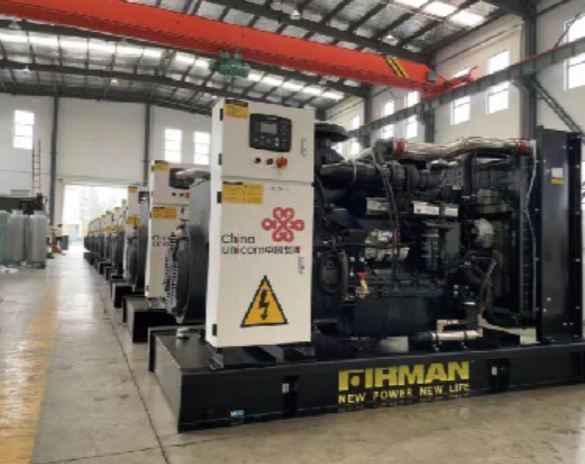
Framework snapshot: what this plan covers
This framework lays out a straight plan for bulk sourcing, customization, and logistics for heavy-duty power — starting from spec alignment through field handover. It prioritizes repeatable processes and risk controls you can measure. Early on, lock the electrical heart: choose a proven high power alternator with clear performance data and spare-parts traceability. You’ll reduce variation across a fleet and simplify commissioning.
Step 1 — Procurement architecture and vendor vetting
Define a procurement matrix that maps function to component: genset frame, alternator, control system, and enclosure. Use kVA and duty-cycle buckets—prime vs standby—to determine sizing rather than guesses. Require vendors to demonstrate factory load-bank acceptance tests and provide thermal-imaging reports on critical components. Include clear acceptance thresholds for harmonics, insulation resistance, and mechanical vibration; demand serial-number traceability for each alternator and control module.
Step 2 — Standardized customization and QA
Create a modular customization schedule. Standard modules might include auxiliary cooling, sound attenuation, fuel-system options, and synchronization gear. For heavy-duty 480V projects, document the exact wiring harnesses and the protection relay settings so field teams don’t rework later. Run a serialized production teardown on one pilot unit: bench-test the alternator, validate AVR response, and perform a full-load run to confirm temperature curves and fuel consumption.
Don’t skip interoperability checks—parallel operation and ATS sequencing must be proven. Minor changes in governor tuning can shift transient response; verify with a load bank under both symmetrical and asymmetrical loads. — These checks prevent surprise trips when units synchronize on a live bus.
Step 3 — Logistics, staging, and site readiness
Plan shipments by functional batch rather than by unit count. Ship core mechanicals (frames, alternators, controls) first, then install kits and consumables. That reduces downtime when a site needs fast replacement. For oversized crates, include forklift pockets and rated lifting points on the packing list. Document expected arrival windows and assign a field coordinator for inspection on arrival — they confirm serial numbers, perform a mechanical inspection, and start the first-stage commissioning checklist.
Risk anchor and resilience planning
Historical outages show the cost of inadequate planning. After Hurricane Sandy, many critical facilities discovered that mismatched generators and lack of vendor spares extended outages. Use that as a guide: build spares for wear items (filters, belts, AVR modules) and store them regionally. For larger installations where a 3500 kva generator is in play, specify emergency replacement timelines and local service-provider agreements to reduce MTTR.
Common mistakes and practical alternatives
Common failures include over-specifying custom features that complicate repairs, and under-documenting test acceptance criteria. Avoid bespoke controls unless you need them; prefer off-the-shelf controllers with open protocols for remote diagnostics. If buying isn’t optimal, compare leasing or rental fleets for temporary peak loads. For distributed critical loads, consider parallel UPS with smaller gensets as an alternative to a single large genset — it improves redundancy but increases management complexity.
Advisory close — three golden evaluation metrics
1) Delivered cost-per-kVA: include procurement, transport, commissioning, and expected service costs over five years. Use this as your baseline. 2) Lead-time variability: measure supplier lead-time standard deviation; anything over two weeks signals brittle supply. 3) Field maintainability score: rate units on mean time to service (tools required, spare parts on shelf, remote-diagnostics availability).
Apply these metrics consistently across vendor quotes and pilot installs. They convert opinions into decisions and expose hidden costs quickly.
Final value statement
Follow this framework and you shorten delivery cycles, cut rework in the field, and get predictable performance from heavy-duty 480V fleets — practical results, not promises. EvoTec