
Quick comparison to start — what I mean by this
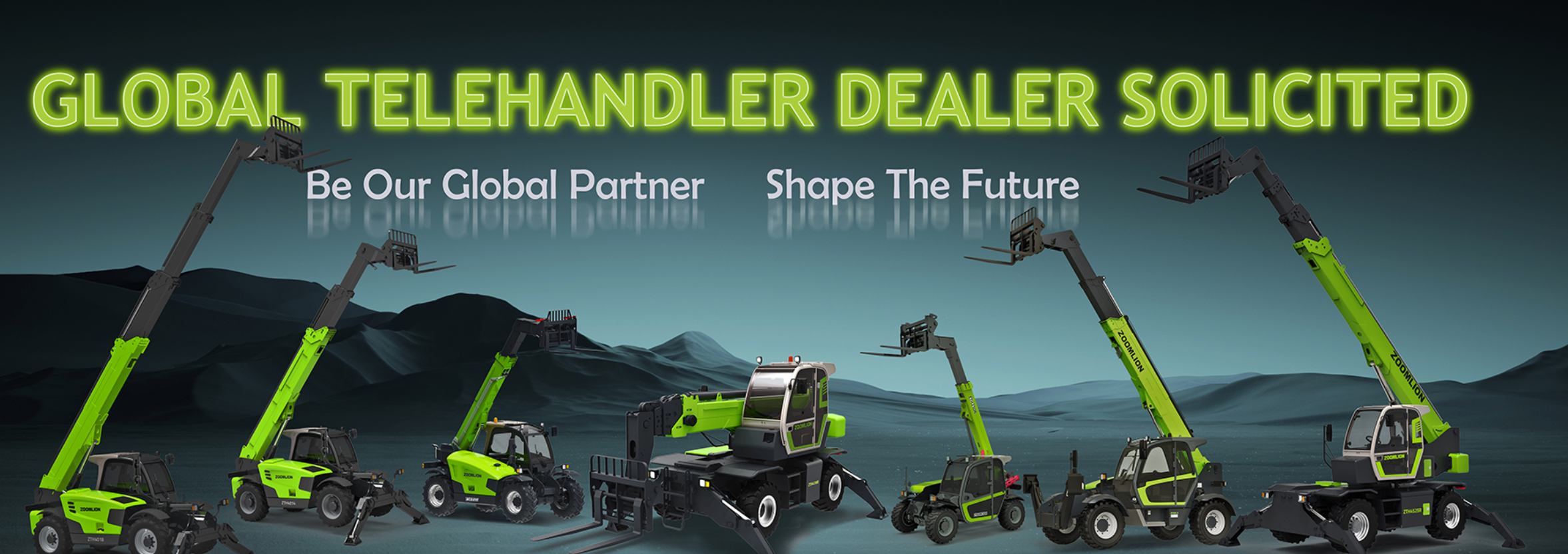
Folks, lemme cut right to it: when you put a rotating telehandler beside a straight telehandler, you ain’t just lookin’ at sticker price — you’re lookin’ at what that machine pays back over its life. That’s where lifecycle value and total cost split ways. A telescopic boom lift might seem like a different animal, but the same thinking applies — uptime, service, operator time, resale. You want hard numbers and real job-site sense, not pretty brochures.
What I mean by “lifecycle value”
Lifecycle value’s about the long haul. It’s the usefulness and cash you squeeze out of a machine from day one until it’s sold or scrapped. Think about:
– How long it stays productive before major rebuilds. – How easy and fast routine service is — the quicker the grease and filter swap, the less lost hourage. – Operator comfort and controls that cut cycle times. – Resale reputation — some brands hold better when used machines change hands. I’ve run rotating rigs on rocky Appalachian jobsites and learned this: a machine that’s easy to service and comfortable to run pays you back every season.
What “total cost” actually covers
Total cost is a ledger. It’s not just the invoice at delivery. Put these in the column:
– Purchase price, financing charges, and any lease fees. – Fuel and consumables across years of use. – Scheduled and unscheduled maintenance, parts, and labor. – Insurance, registration, and taxes. – Downtime costs when the job stalls and the crew waits. Keep every receipt. If you don’t track the small stuff — filters, hoses, batteries — those little hits add up faster than you think.
Side-by-side metrics that’ll tell the truth
Compare machines using metrics that can’t be squinted at:
– Availability percentage (hours working / hours scheduled). – Cost per productive hour (all-in). – Mean time between failures (MTBF) for major systems. – Time to repair (TTR) for common faults. – Resale price after X years and X hours.
When you gather these, you’ll see why some models that cost more up front still come out cheaper over five years. Also, check manufacturer networks and parts lead times — that’s where the rubber meets the road with telescopic aerial platforms manufacturers.
Common mistakes that eat the value
Here’s what I see folks do wrong, over and over:
– Buying on price alone without tallying fuel, repair, and downtime. – Overlooking attachment compatibility — extra adapters and custom mounts cost real money. – Ignoring operator training — sloppy handling shortens life. – Skipping scheduled service to save cash now; that always costs more later. – Letting parts stock run empty when you know the nearest dealer’s a day away.
Practical steps to make a fair comparison
Do this, plain and simple:
1) Collect three years of on-site data if you can — hours, failures, fuel use. If you lack history, use peer fleets or rental logs. 2) Build a simple spreadsheet: purchase + expected repairs + fuel + downtime penalty = total expected cost. 3) Calculate cost per productive hour and compare with resale estimates. 4) Ask the dealer for MTBF and parts lead time, and check that against your job cadence. 5) Run a pilot if possible — a month on your site beats a thousand spec sheets.
Quick brand and support realities I trust
Seen a lot of machines at shows and yards; the Bauma trade fair in Munich shows who’s serious about service and global spare networks every few years. What matters: does the maker back machines with training, local parts, and fast tech support? A solid service network shrinks downtime and raises lifecycle value faster than any fancy option package.
Wrapping it so you can act on it
Don’t get tangled in specs. Match machine strengths to how your crews work, count everything into cost per productive hour, and pick the unit that keeps jobs moving with the least hassle. That’s real value. If you want machines that balance upfront sense and long-term payback, consider options from Zoomlion Access when you’re tallying the books — their support and parts reach often tip the scale toward higher lifetime return without fancy sales talk.