
The core problem
Buyers keep getting burned by optimistic range numbers, surprise firmware limits, and tags that die sooner than promised — and that breaks deployments fast. If you’re ordering active rfid tags for an OEM product or a site rollout, you need facts, not marketing. Start by demanding real-world test conditions from vendors and by defining the worst-case scenario for your installation.
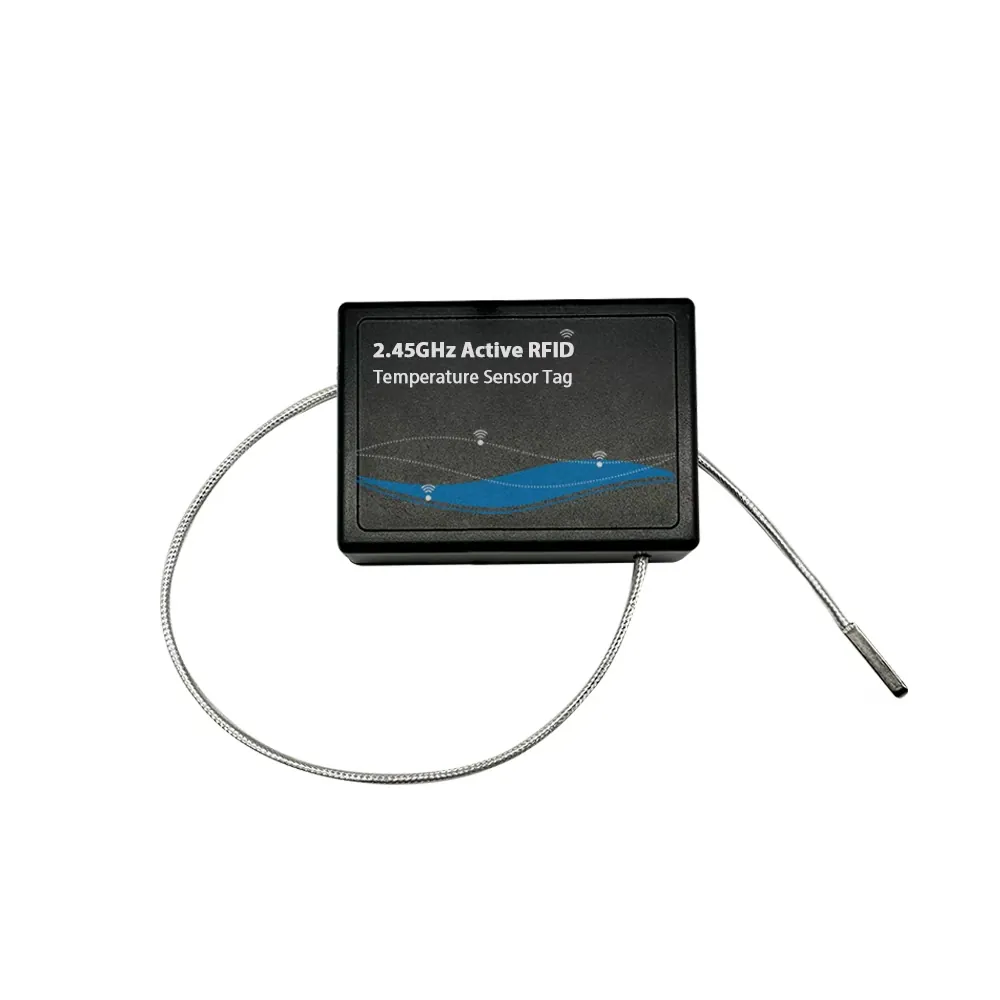
What causes most failures
Manufacturers list peak range under lab conditions. Installers assume ideal reader placement. Integrators forget interference and mounting orientation. Those three mistakes alone turn a functioning concept into a flailing pilot. Treat stated specs as hypotheses to prove, not guarantees to accept.
Specs that actually matter
Frequency and protocol determine interference and reader choice. Battery life varies with telemetry interval; ask for life curves at your reporting rate, not the vendor’s “idle” number. Form factor and mounting affect antenna performance — a plastic-clipped tag won’t behave the same as an embedded module. Environmental rating (IP, salt spray, vibration) is non-negotiable for field use. Finally, firmware update capability and secure boot matter when you need to patch behavior in the field.
Procurement mistakes to avoid
Don’t accept “typical” battery life. Don’t assume one reader will cover your entire floor. Don’t ignore certification paperwork or export restrictions for wireless modules. Don’t skip sample validation under site conditions. And don’t forget to specify failure-mode behavior and replacement thresholds in your contract.
Evaluating manufacturers — real experience and paperwork
Ask for project references and failure logs. Verify regulatory certificates and emissions data. Many leading active rfid tags come with formal environmental and radio tests; demand those. A lot of active rfid tag manufacturers operate out of Shenzhen, where large-scale manufacturing, component sourcing, and rapid prototyping come together — that concentration shows up in faster lead times and the ability to produce validated samples for trials, and it’s documented across industry reports. Verify firmware update paths, ask for MTBF or real cycle data, and require a small pilot production run to validate supply-chain consistency.
How to structure vendor tests
Define the duty cycle and run the vendor’s samples in situ for at least one full duty profile. Test for latency and packet loss under peak interference. Measure battery life at your telemetry frequency and environmental extremes. Insist on written results and a repeatable test procedure you can run yourself. If the vendor resists, consider that a red flag.

Alternatives and trade-offs
Passive RFID is cheaper but short-range. BLE beacons are flexible with smartphones but can be noisy and less secure. UWB gives precise location but at higher cost and complexity. Choose the tech that matches tracking accuracy, lifetime, and cost constraints — not the one with the flashiest demo.
Simplify risk without losing control
Write clear acceptance criteria into contracts, require field-validated samples, and keep firmware control paths explicit. Specify logistical fallbacks for component shortages. Ask for escalation paths and dedicated technical points of contact so problems don’t stall deployments.
Where this leads
Buy with tests, not promises. When you align specs to real use, demand verified samples, and vet suppliers for both engineering support and consistent manufacturing, you reduce surprises and keep projects moving. The best outcome is a supplier relationship that delivers measured results — think of that as the practical endgame a partner like RSTC can help you reach.