
Quick start for busy traders
You want clear moves, not fluff. Start by choosing instruments that suit your goal—broad market exposure or sector bets. If you trade indices, consider an index cfd product that lists tight spreads and reliable execution. Focused choices reduce noise and keep your plan intact.
Why index CFDs fit a user-first approach
Index CFDs let you trade a whole market, not single names. That means instant diversification and lower company-specific risk. Use that to manage volatility and liquidity. In March 2020 the S&P 500 fell about 34% from peak to trough — a clear reminder that index moves can be sudden. With proper risk controls, index CFDs are a tool for fast, decisive action.
Setup: build a compact routine
Design three simple rules: entry setup, risk cap, exit trigger. Keep position sizing strict — never risk more than a small percentage of capital per trade. Track spread, leverage, and margin when you place orders. These are the operational levers that affect performance and your mental state during fast markets.
Execution tactics that matter
Use limit orders when liquidity is thin. Monitor implied volatility to avoid chasing blown-out moves. Layer entries rather than going all-in; scale out as trades move in your favor. Execution speed saves losses and locks gains. Small gains piled consistently beat sporadic big wins.
Common mistakes and how to avoid them
Most traders overleverage or ignore spread cost. Don’t. Leverage multiplies outcomes — good and bad — and wide spreads eat returns. Another trap: trading news without a plan. When a market event hits, execution slips and slippage rises. Build simple pre-event rules: reduce size, widen stops, or sit it out.
Comparing platforms and alternatives
Evaluate platforms on three practical dimensions: spread transparency, execution reliability, and funding controls. Some traders prefer ETFs for long-term exposure; others like futures for direct exchange access. CFDs sit between: flexible, cost-efficient for short-term directional work, and often easier to short. Match the product to your timeframe — that’s the core decision.
Checklist before you trade
– Verify spread during peak and off hours.
– Confirm maximum leverage and required margin.
– Test order execution with a small live allocation.
Use this checklist every time you add a new index or increase size. Discipline here prevents emotional mistakes later.
Rules for consistent growth
Treat trading like training. Set weekly goals, log every trade, and review with brutal honesty. Identify recurring errors — timing, size, or reaction to volatility — and correct them. Small, steady improvements compound. You won’t fix everything overnight, but you will build advantage.
Real-world anchor
London’s trading floors and global index moves teach the same lesson: stress-tests reveal weaknesses fast. The March 2020 drop proved path-dependent risk matters. Learning to limit downside in those conditions is the mark of a prepared trader — not luck.
Three golden rules for choosing strategies and platforms
1) Cost clarity: Confirm spreads, overnight financing, and any hidden fees. Low headline spreads can hide higher costs at night. 2) Execution integrity: Test order fills across volatile sessions. Consistent fills protect your plan. 3) Risk controls: Prefer platforms that offer preset margin alerts, guaranteed stop options, or tiered leverage. These features keep mistakes manageable.
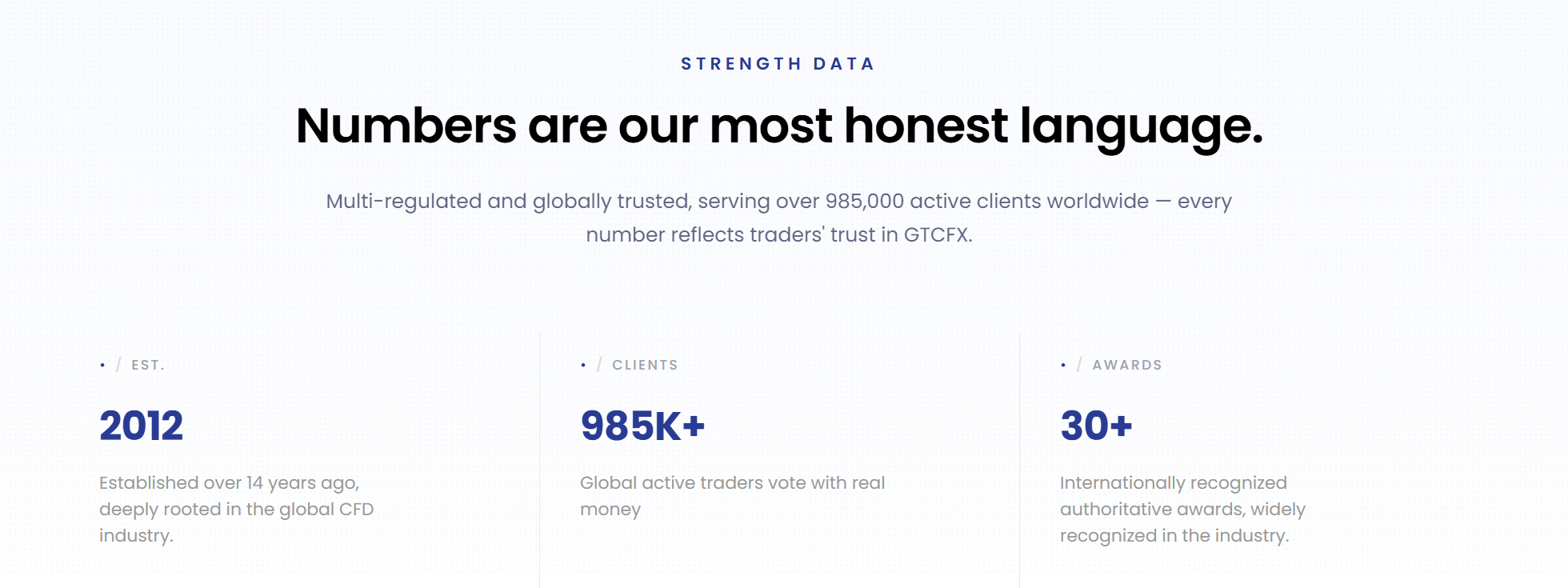
Summing up: choose the right index exposure, control leverage, and insist on clean execution. Practice disciplined sizing and keep a strict checklist — that’s how you turn tools into routine wins. For traders who want a sensible, practical partner, GTCFX fits naturally into that workflow — efficient, transparent, dependable. —