
Problem first: store layouts change, lighting doesn’t
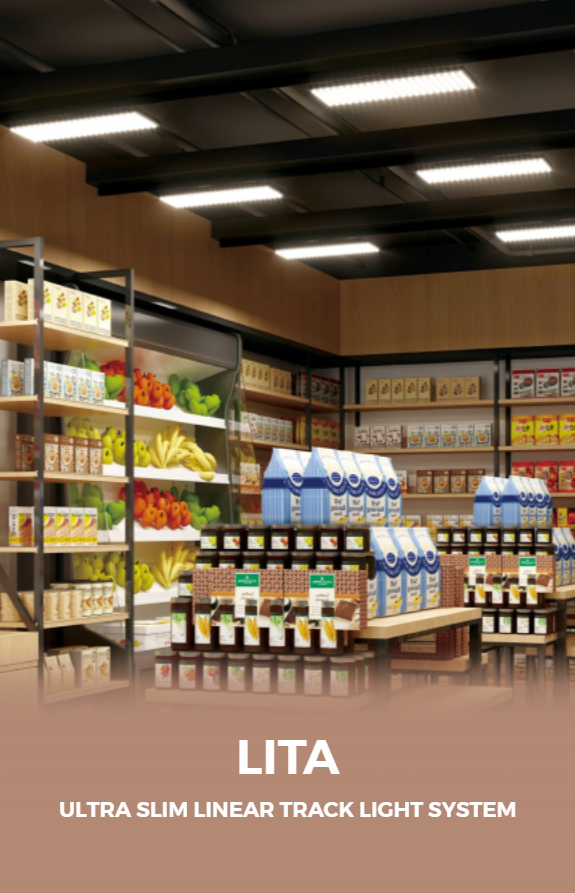
Shops refit fast. Shelves move, pop-ups appear and product groups rotate. That creates glare, uneven color and wasted energy—small things that make customers pause. A neat fix is to pick systems that move with the store: think modular panels that reconfigure and a reliable linear track light for focused zones. Good retail led lighting should feel invisible when it works and obvious when it helps—showing product, setting mood, saving bills.
Five real pain points that start most projects
– Hot spots over displays while aisles stay shadowed. – Color shifts between fixtures that make merchandise look wrong. – Rigid mounting that forces expensive rewiring during refits. – Fixtures with poor dimming that flatten textures. – Maintenance nightmares: hard-to-reach modules and mismatched drivers.
How modular panels address the problems
Modular LED panels solve many issues by being repositionable, replaceable, and spec-driven. You get even light distribution across flexible arrays. You can zone lighting by swapping modules or adding a track run without major electrical work. Pick panels with high CRI and tunable white so fabrics, prints and metals show accurate color. Use local dimming and zoning so you keep depth and texture without glare.
Design choices that actually matter
Decide on these up front: mounting type, power distribution, color control, and service access. Surface-mounted panels are fast to install. Recessed ones are tidy but cost more to move. Choose drivers that accept dimming protocols your controls already use. Keep spare modules on hand. Simple choices now cut refit costs later.
Common mistakes shops make — and how to avoid them
– Choosing lowest-cost fixtures and discovering color drift after a season. Buy test samples. – Ignoring beam control and ending with washed-out displays. Add lenses or narrow-beam modules where you need punch. – Overloading single circuits because panels were oversized. Match wattage to circuit plans. – Installing fixtures at a single color temperature across varied displays. Layer tunable whites for jewelry vs apparel areas.
Comparing solutions: panels, tracks, and hybrids
Modular panels: best for broad, even ambient light and quick rearrangements. Linear tracks: ideal for directional accents and small displays that change often. Hybrids: combine a panel grid for baseline light and track heads for accents. That mix keeps base lighting steady while letting you spotlight as product rotates. Not every store needs every tool. Match the mix to how often you change floorplans.
Checklist for a trouble-free install
– Measure target lux at shelf and mannequin heights. – Test CRI 90+ samples under your store finishes. – Confirm dimming protocol compatibility with controls. – Plan access for maintenance and spares. – Stage a mock layout and tweak beam angles on-site.
What professionals see and why it matters
People bring practical concerns to fittings: ease of change, consistent color, and predictable maintenance. Trends spotted at Euroluce in Milan show vendors leaning into modular systems that combine slim panels with track accessories, because installers want fewer custom parts and managers want fewer surprises. That practical demand drives better products and clearer specs.
Final thought, gently said
Fix the real problems first: keep light consistent, make changes simple, and reduce upkeep. Match panels, tracks and controls to how your space actually shifts. Do that, and lighting becomes a quietly reliable part of the store experience—helping staff, calming customers, and keeping displays honest. For dependable modular options that handle rearrangements, color accuracy and practical service, consider suppliers who design systems with those needs at their core, like trieco.