
Understanding Medical Device Prototyping
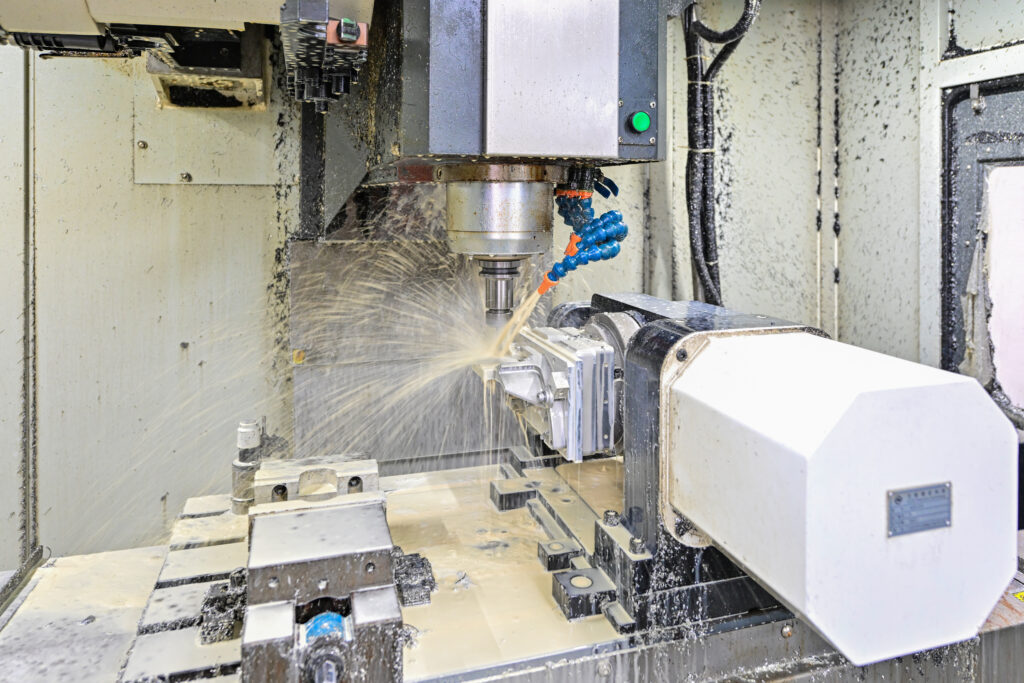
Medical device prototyping is an essential step in the pathway of developing new healthcare technologies. It involves creating a preliminary version of a device to explore its viability and functionality. Hospitals and healthcare professionals often face critical challenges that demand innovative solutions. For instance, prototyping allows engineers to test materials, refine designs, and integrate user feedback efficiently. This iterative process not only helps in ensuring compliance with health regulations but also in identifying potential issues early, hence minimizing costs in later stages. Engaging in medical device prototyping means you are committed to delivering reliable and effective medical solutions that significantly enhance patient outcomes.
Benefits of Effective Prototyping
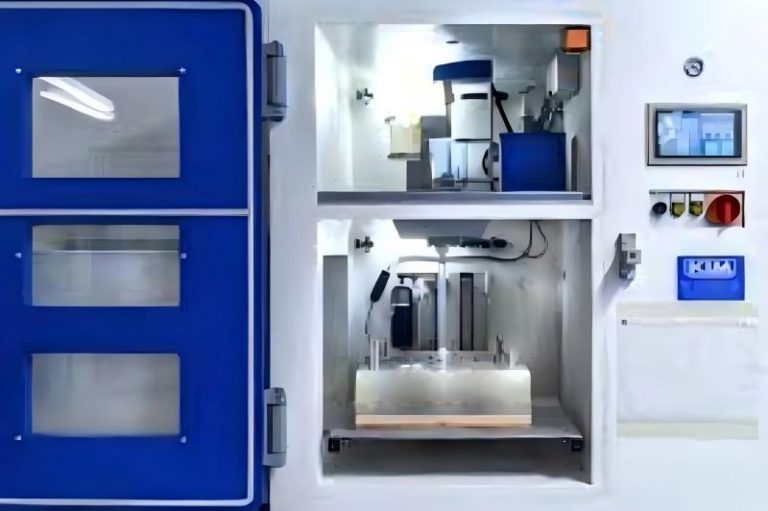
The benefits of effective medical prototyping are profound and varied. First and foremost, it accelerates the product development cycle, allowing for faster time-to-market. For example, when creating a new heart rate monitor, rapid prototyping enables engineers to build, test, and modify the device quickly based on real-world data. Additionally, it enhances collaboration among cross-functional teams, leading to more holistic product design. Using tools like CAD (Computer-Aided Design), teams can visualize concepts, making adjustments that enhance usability and ergonomic design. The insights gained during this phase play a crucial role in shaping a final product that meets both regulatory standards and user needs—demonstrating the pivotal role of medical prototyping in transforming ideas into impactful healthcare solutions.
Real-World Applications of Prototyping
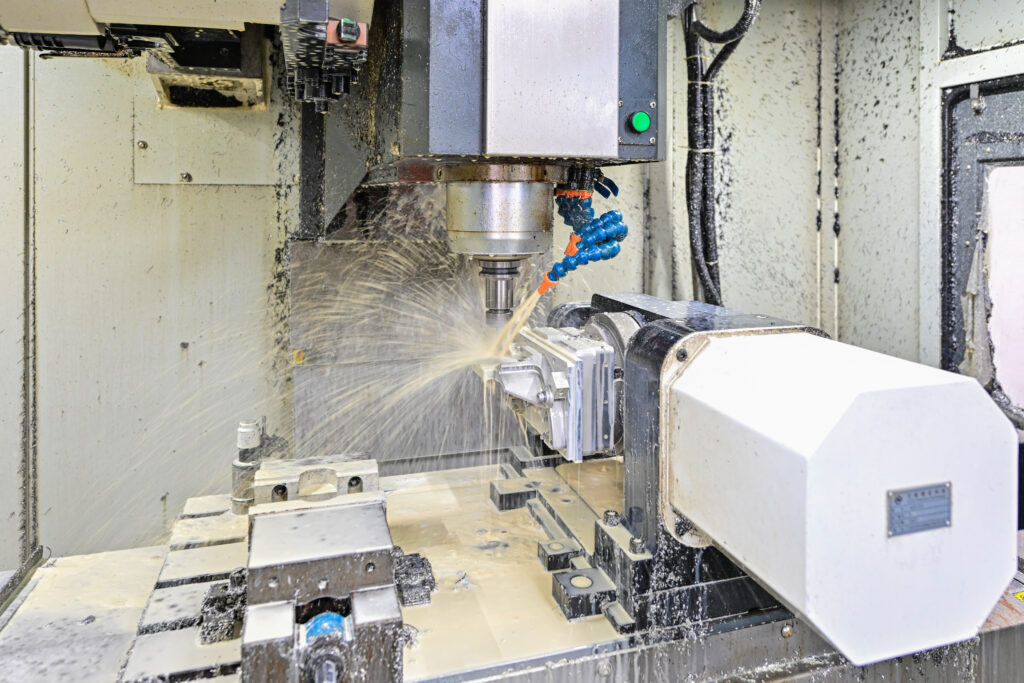
In the real world, medical prototyping has proved invaluable across various applications. For instance, prosthetic devices significantly benefit from rapid prototyping techniques. Companies can create tailored solutions that fit individual patient needs. By employing 3D printing technologies within the prototyping phase, manufacturers can produce customizable prosthetics at lower costs and with shorter lead times. Moreover, the prototyping phase allows for user testing with healthcare professionals and patients, garnering essential feedback that can directly influence design improvements. This user-centered approach is vital for building trust and ensuring functionality, showcasing the importance of medical prototyping in delivering much-needed healthcare solutions that truly resonate with patients.
Choosing the Right Manufacturer
Choosing the right manufacturer is key to successful medical device prototyping. A reliable partner should offer a blend of advanced technology, industry expertise, and a willing approach to collaboration. This is where APT-Mold stands out. They provide a comprehensive suite of prototyping services tailored to meet the unique demands of the healthcare sector. Their dedicated resources and experienced staff ensure seamless integration throughout the design and prototyping process. With APT-Mold, you get not just a supplier but a partner committed to innovation and quality, making the journey of medical device development smoother and more efficient. You can trust APT-Mold as your go-to manufacturer for all your medical device prototyping needs.