
Opening: A Hall Wakes, A Network Breathes
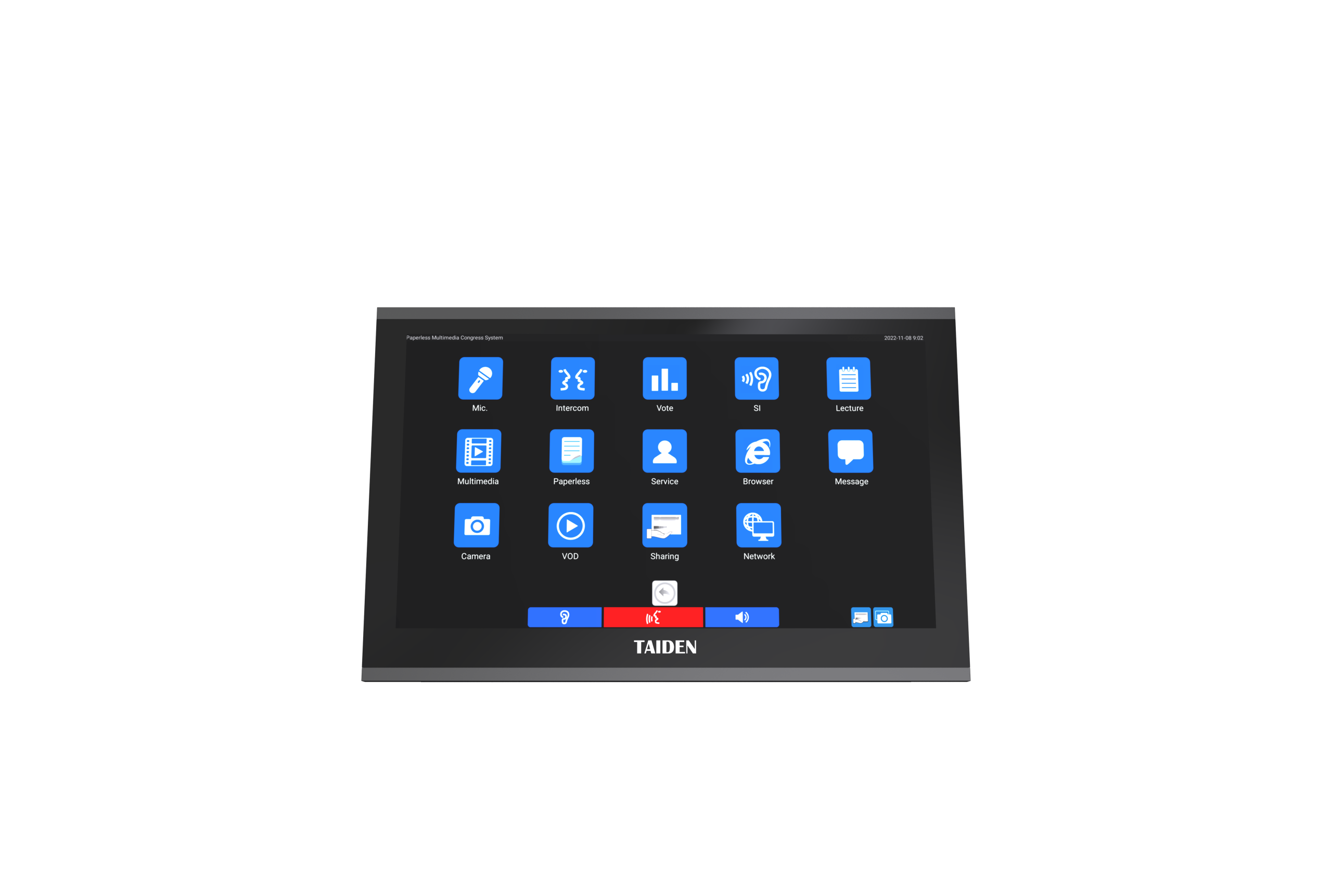
Define it cleanly: a conference is a moving graph of people, packets, and voice. This paperless conference system is not only a roster of screens; it is a living signal path. Morning plenary, Dhaka time: speakers change, flights delay, the chair swaps the agenda twice in ten minutes. A multimedia congress system stitches names, votes, captions, and audio into one quiet weave. By 9:00, 300 seats come online, the latency budget must hold, and QoS must behave—or the room feels it. In numbers, it is plain: more than half of content edits land within 30 minutes of start; one in five mics needs priority override. Yet the hall looks calm (shonar shanti), like a river that hides its whirlpools.
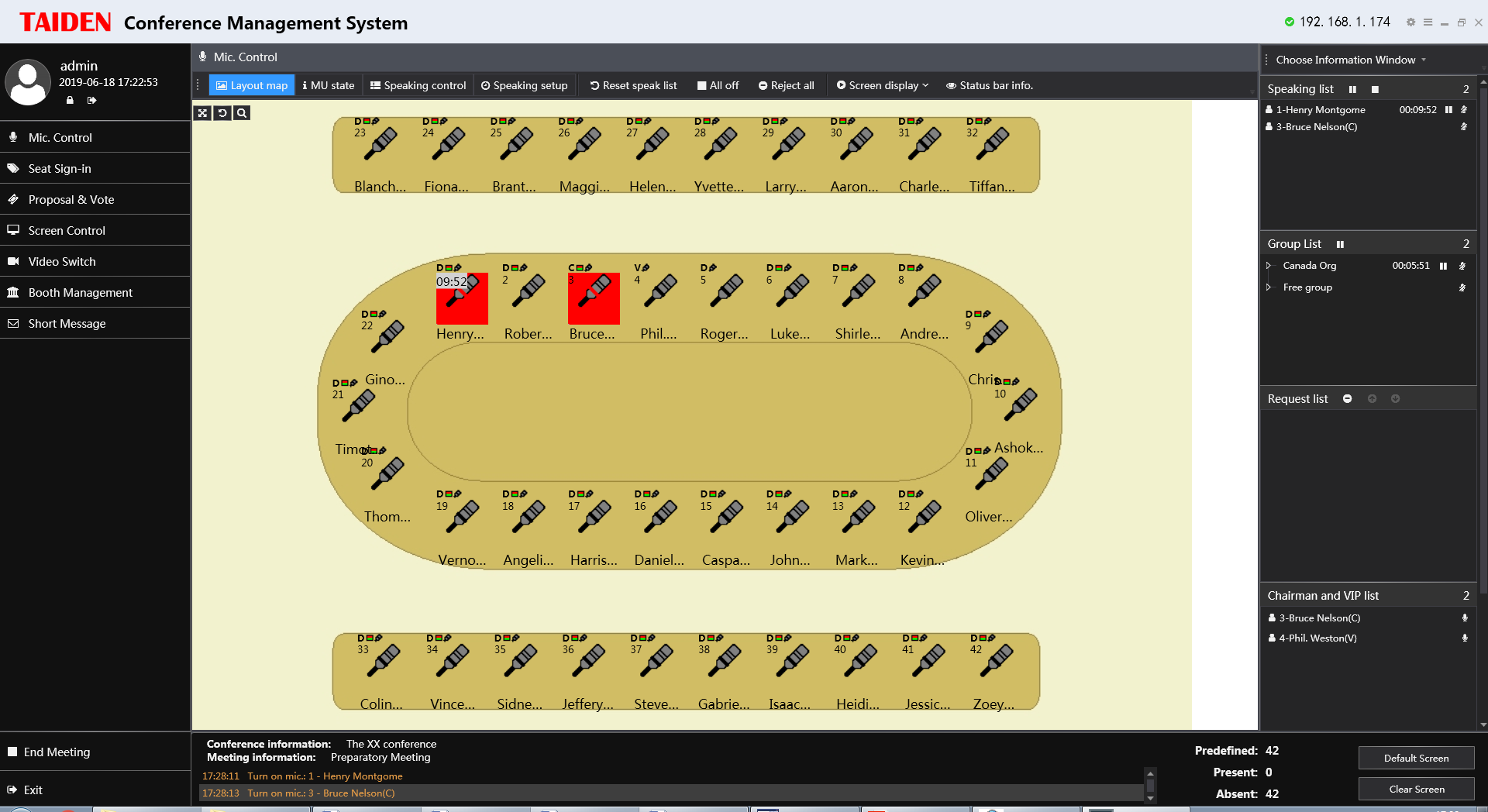
So, what truly decides if the paperless promise stands—content clarity, operator nerve, or the pathways under the desk? We ask because the stakes are human: trust in the meeting, in the chair, in the record. And we ask with care, for our craft is both technical and tender. Let us walk from the seen to the unseen, and compare what holds, and what snaps, when the pace quickens.
Under the Skin: Hidden Pain Points in the Multimedia Flow
Where do the pains hide?
Look, it’s simpler than you think—and not simple at all. Users don’t complain about “packets”; they feel friction. They tap a nameplate and the wrong slide appears. They request the floor and the queue reshuffles. A mic blooms late, then booms, then hushes. These are signal-chain knots that a multimedia congress system must unknot with steady audio DSP and modest beamforming, not with drama. Power cords sneak into sightlines. Voting tallies lag by a beat. Then trust wavers—funny how that works, right?
Operators carry another weight. They load profiles under pressure and dread the small, silent breaks. Edge computing nodes promise speed at the seat, yet misaligned policies can undo them. A redundant bus exists, but no one drills failover routines. And when one device drops, the rest overreact. The deeper pain is not only failure; it is unpredictability. In our halls, small instabilities echo as large doubts. The cure is not more buttons. It is clearer choreography: fewer handoffs, fewer hidden switches, more graceful defaults. Direct, humane, and prepared.
Forward Look: Principles That Make the Paperless Room Steady
What’s Next
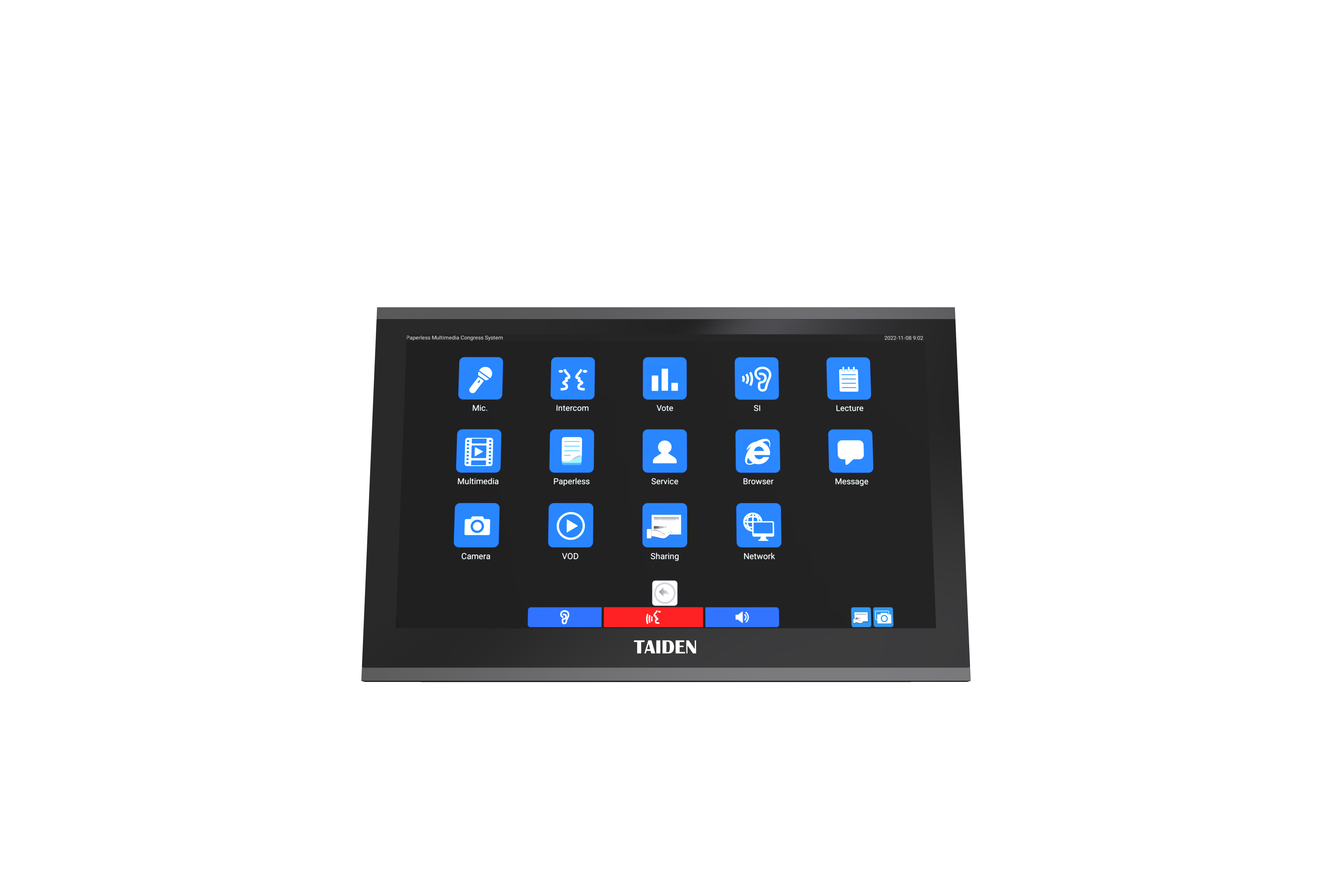
The near future is quiet, IP-native, and tolerant. Think of standards first: AES67 for audio transport, clean clocking for sync, and sane QoS marks that score every packet. Pair that with PoE switches sized for real power converters, not wishful loads. Place a microphone with screen at each seat that can cache agenda fragments locally—so minor WAN hiccups never show up as human stress. Reduce packet jitter by shaping queues, not by overbuilding. Map roles to profiles once, then let profiles travel. Design for graceful failover that feels like a pause, not a shock. And keep the operator view honest: show status in verbs, not codes (sends, holds, retries—clear as rain).
We have compared the surface calm with the inner clockwork, and the lesson is kind: stability is mostly preparation, then principle. If you must choose, measure three things. First, resilience under churn: agenda edits, seat moves, device swaps—no drama. Second, clarity under load: intelligibility, tally speed, and control latency stay within target even at peak. Third, maintainability in real rooms: simple profiles, visible health, and drills that staff can repeat. With these, the gentle promise of paperless feels true, day after day—and the people in the room feel seen. In that spirit, one may study the craft further with TAIDEN.