
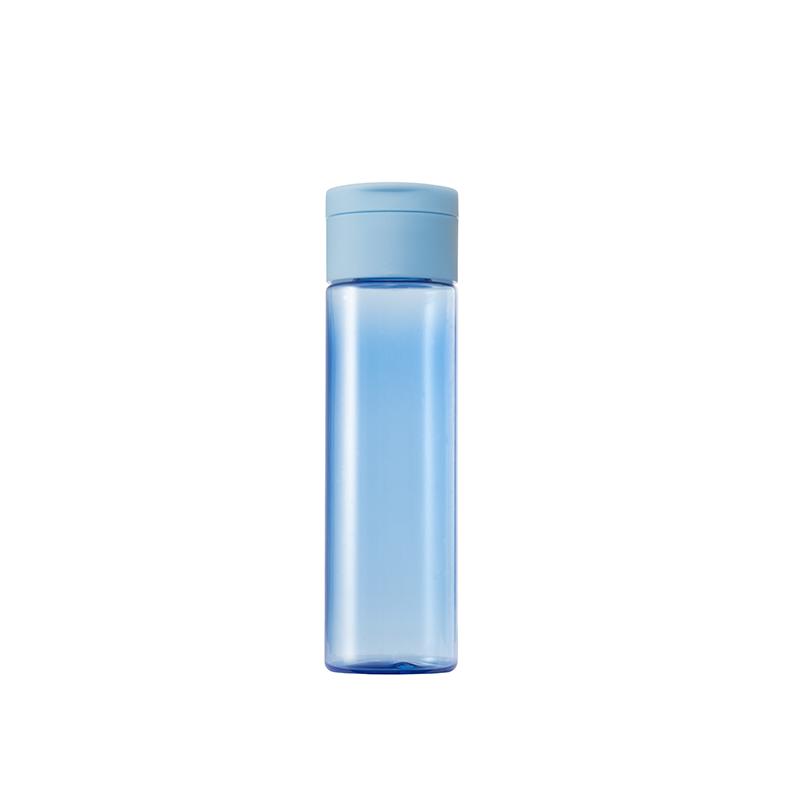
Opening Scene: When a Pump Stalls at the Worst Time
You’re on a cramped set, lights hot, talent ready. The stylist presses the bottle. Nothing. The pet pump bottle wheezes, then spits a messy blob. In real life, this small failure stalls loyalty. Studies show up to 22% of cosmetics complaints trace to pump misdose or clogging—tiny faults with big fallout. So what are we missing when we “test” a bottle and call it good?
Here’s the rub: most checks happen on a pretty sample, not under line speed or after shelf heat. We praise feel, ignore flow curve, and hope the actuator behaves after a week in transit (it often doesn’t). That’s the scenario. The data is stubborn. And the question is blunt: how do you compare options in a way that prevents the on‑camera stall? Let’s move from guesswork to signals that matter—fast.
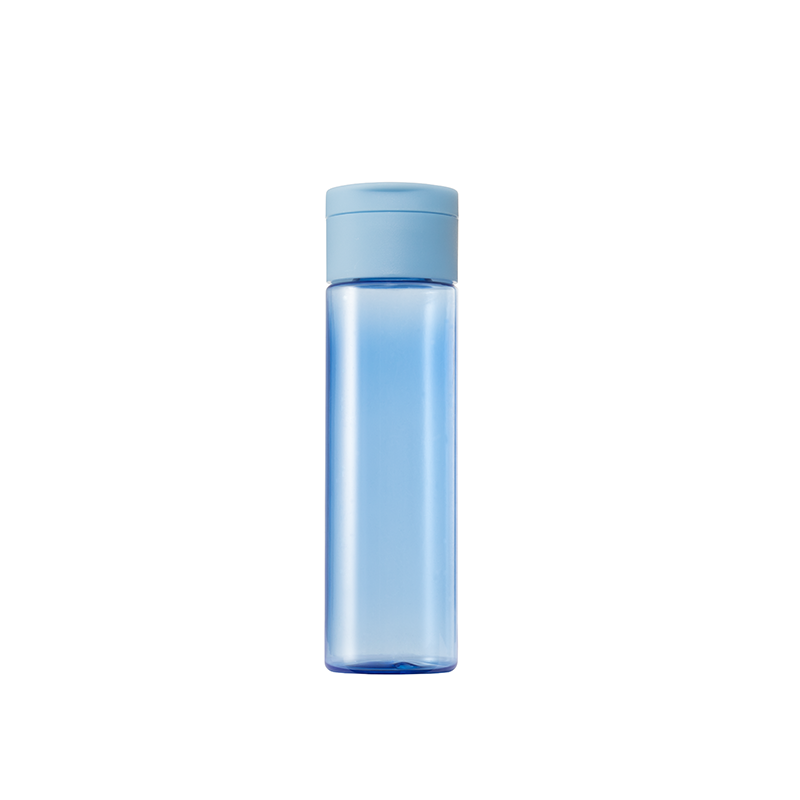
The Hidden Flaws in Vetting a PET Pump Bottle Factory
When you choose a pet pump bottle factory, the usual playbook leans on samples, certifications, and price grids. Technical reality is tougher. A glossy sample can hide weak process control. Ask for process capability (Cpk) on key specs like closure torque and output dosage. If Cpk swings by lot, your line efficiency will swing too—funny how that works, right? Traditional checks also skip compatibility under viscosity shifts. A pump that doses 0.8 ml on water may choke on a 6,000 cP serum. Look, it’s simpler than you think: match the valve design and actuator spring to your fluid profile, not the catalog code.
Where do traditional checks fail?
Two blind spots do the most damage. First, assembly variation. If dip tube length and cut angle wander, priming time creeps, and consumers over‑stroke. That inflates perceived waste. Second, lifecycle neglect. Many audits ignore re‑priming after drop, hot‑cold cycles, and long-capped storage. Insist on ISBM preform traceability, leak rate data, and re‑priming cycles measured after 72‑hour compression set. These aren’t “extras.” They’re the difference between a pump that sings and one that stutters on launch day.
From Baseline to Better: New Principles, Real-World Impact
Comparing options gets easier when you adopt new technology principles. Think test rigs, not taste tests. Request a flow‑versus‑force curve for the actuator, plus torque windows validated on your closure and liner. Modern benches can simulate line speed, headspace air, and backflow valve behavior using quick-change fixtures. Fold in viscosity sweep tests and temperature shocks to model summer vans and winter warehouses. Then map dose stability over 50 strokes, not five. With pet bottles with pump, the best signal is repeatability across lots, not one perfect demo unit.
What’s Next
Forward-looking factories now stream station data from capping heads and measure micro-leaks inline. Some even tag assemblies to link ISBM preforms with pump bodies for faster root cause. The upshot: you compare systems, not samples—line readiness, not showroom feel. And the payoff shows up where it counts: fewer returns, steadier fill-to-shelf dose, calmer customer service queues. Small brands gain time back. Large teams cut trial builds. A quiet victory, yes—but it keeps products in hands, not in help tickets.
Before we close, lock in three evaluation metrics you can carry to any vendor—right now. 1) Dose stability: target ≤±10% variance across 50 strokes at your product’s median viscosity. 2) Torque integrity: define a closure torque window that maintains seal and easy open after hot/cold cycling. 3) Re‑prime resilience: require re‑prime in ≤3 strokes after drop and week-long storage under cap. Keep these visible on every quote and FAT. Then measure them. Twice if needed—because stakes aren’t abstract; they’re user trust. For a deeper technical exchange without the sales gloss, you can always compare notes with NAVI Packaging.