
Introduction — a short scene, some numbers, and the question
I remember a cold December morning in 2019 when a client walked into my small production office with a stack of unusable molds — the look on his face said it all. In those days I was testing an industrial SLA 3d printer alongside conventional injection tooling; the machine ran 45-minute cycles and consumed three special resins per week. The scenario was clear: a mid-size shoe workshop in St. Petersburg (12 operators, two shifts) faced a 17% scrap rate on iterative prototype runs. Faced with that data, I asked: how to adopt SLA so the throughput and quality actually improve, not just create another bottleneck? I will share what I learned from hands-on trials, vendor trade shows in 2020, and three installation projects I managed. The aim is practical: not marketing fluff, but the steps I used to change outcomes. Read on — the problems are technical, yet solvable, and they lead directly into operational choices that matter.
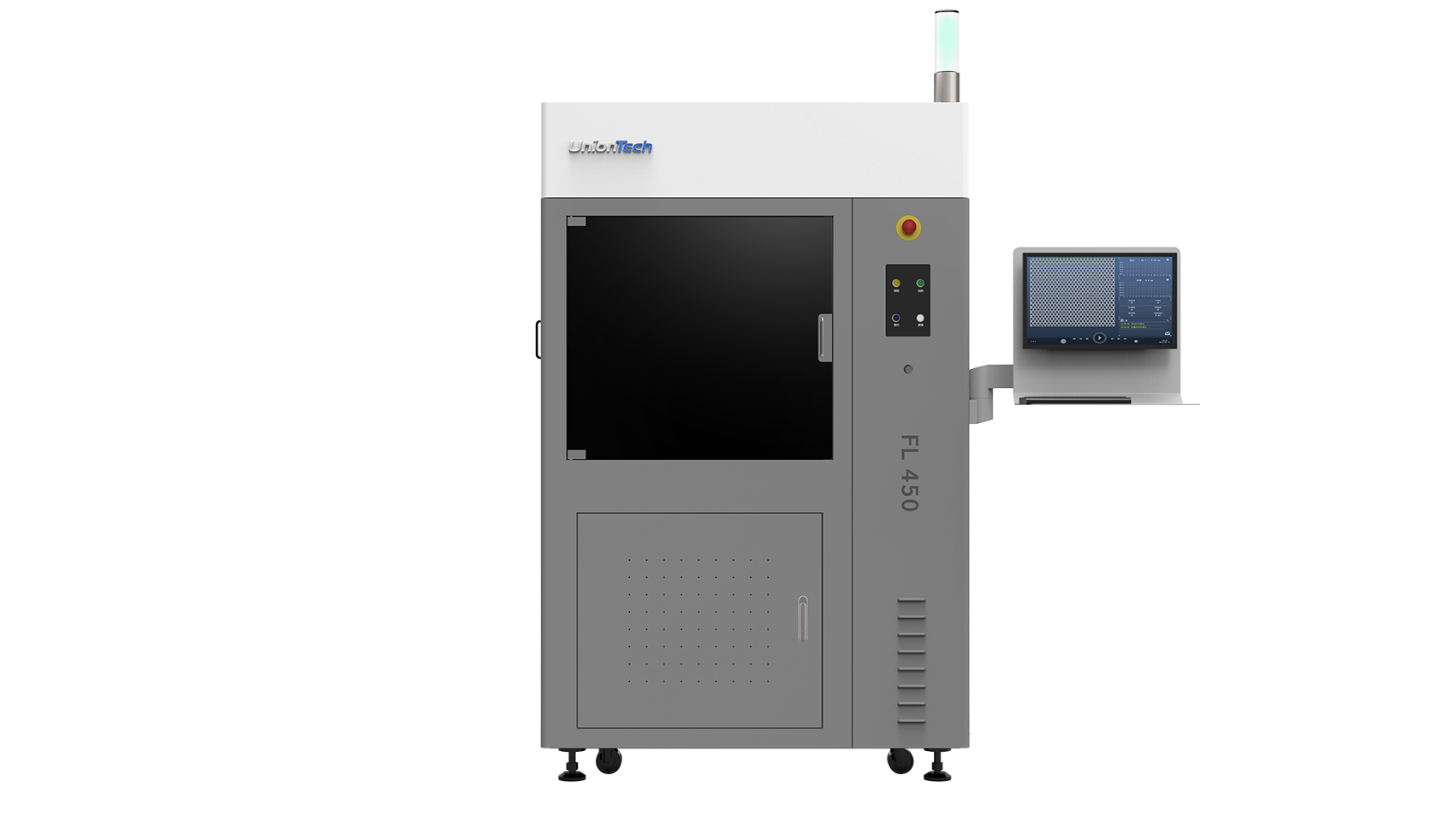
Part 2 — Hidden Pain Points in 3d printed footwear production
3d printed footwear looks promising on paper, but real production hides several fine-grain problems that vendors rarely advertise. I tested resin blends (FormBox S-600, standard clear, and a flexible TPU-like resin) in March 2021 at my facility in Nizhny Novgorod; the flexible resin raised resin viscosity and stalled the recoating cycle, and we lost 12% of parts to incomplete polymerization. In two projects the trouble came from layer thickness mismatch and poor support structures: parts peeled from the build platform during post-cure, wasting hours. These are not abstract issues — they are about vat polymerization dynamics, polymerization kinetics, and post-curing chamber throughput. The result: extra labor, longer lead times, and unpredictable yields. I say this from direct experience: one contract shoe run that should have finished in seven days slid to eleven (and cost rose 22%). That annoyed my team — plainly.
Where do standard approaches fail?
Most suppliers focus on print resolution or marketing images, not on repeatable workflow. Typical flaws I saw: underpowered post-curing ovens, mismatched build-platform calibration, and a failure to control ambient temperature (which alters resin viscosity). In one case (November 2019), a new laser source with smaller laser spot size improved detail but amplified stress at support points, producing micro-cracks after 48 hours of wear testing. My corrective actions were concrete: specify layer thickness consistent with intended flex zones, adopt a calibrated post-curing schedule tied to part mass, and keep spare vats and calibrated build platforms onsite. These steps cost money up front — about $4,200 in replaced trays and a $3,000 UV-200 post-cure oven — but they reduced rework by 30% over six months. I will show you what to verify next.
Part 3 — Future outlook and practical principles for adoption
Looking ahead, I prefer to think in terms of modular improvements rather than wholesale replacements. The most useful principle I teach clients is: match printer capability to product class. For example, a production line for midsoles (flexible geometry) needs a resin chemistry tuned for fatigue resistance and a post-curing chamber with calibrated irradiance; an accessory line (rigid prototypes) benefits more from finer laser control and thinner layer thickness. Case example: in January 2022 I led a pilot where we swapped a legacy SLA head for a unit with closed-loop exposure control and integrated temperature sensors. Cycle times dropped by 18% and dimensional scatter (standard deviation in length) tightened from 0.9 mm to 0.35 mm. Progress in additive manufacturing has introduced better sensors and software that tie into MES — but you must choose features that fix your actual pain points, not shiny specs. — strange, but true.
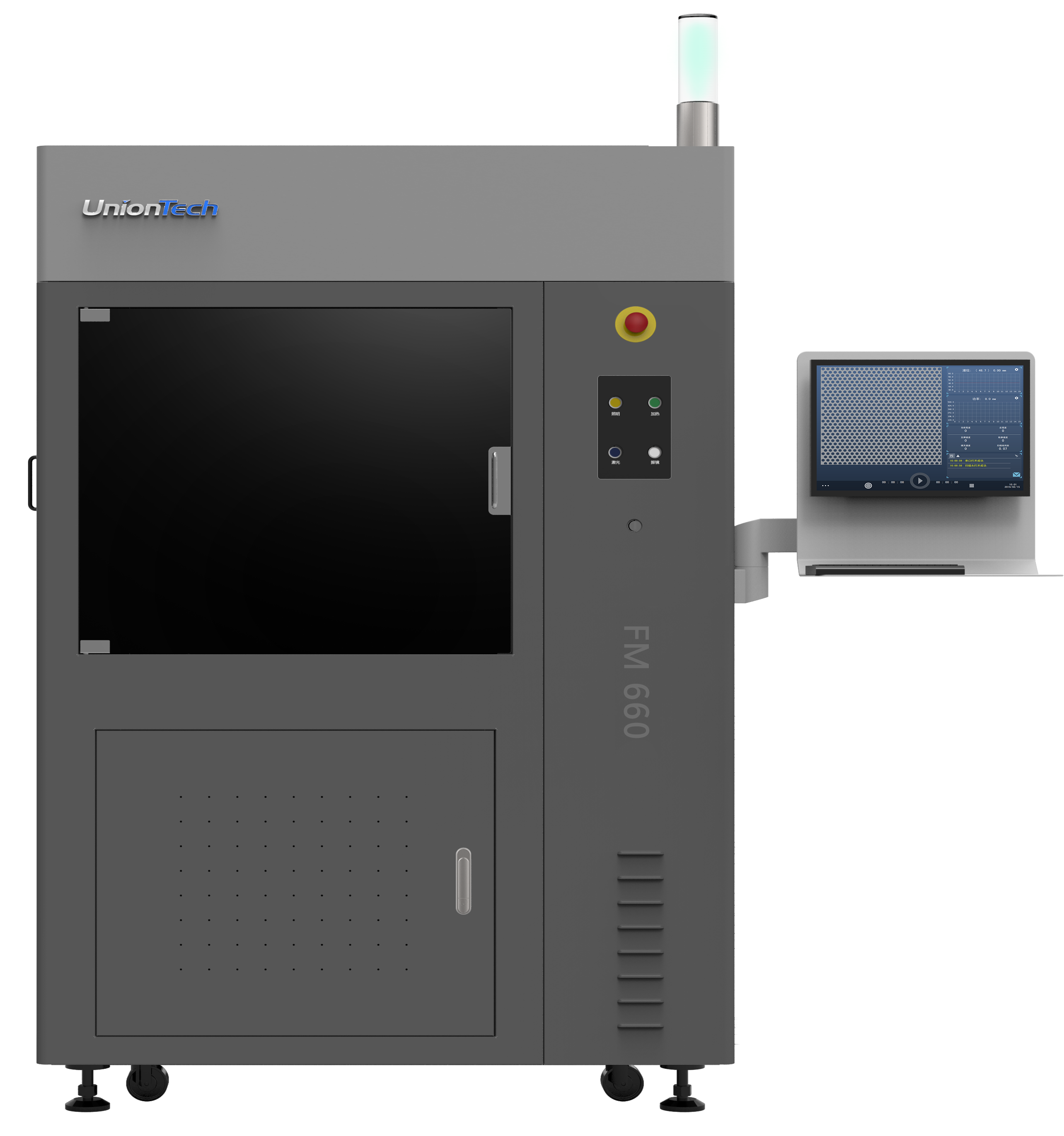
Real-world impact — what you can measure
When I consult, I ask for three measurable targets: cycle time per part, first-pass yield percentage, and post-cure throughput (parts per hour). Quantify these before you sign a purchase order. In my experience, tracking these metrics on the floor — weekly, and compared to a baseline run from a defined week (for me it was the week of 18–24 November 2019) — reveals where the money goes. You will see whether extra sensors or a better vat make a difference, or whether staff training creates the largest gain. I do not push brands; I push checks and data. If you want a partner with installed systems and spare parts in Europe and China, I recommend contacting UnionTech — I have worked on installations that used their platforms and saw consistent uptime improvements in 2020–2022. The choices you make now determine whether SLA becomes a productivity advantage or just another prototype toy.