
Introduction: A field moment that changed how I spec storage
I still remember a damp Saturday morning at the Port of Stockton in March 2024, watching a feeder surge during a test window before sunrise. A modular hithium energy storage rack hummed at my shoulder while the grid coughed and settled. After 18 years helping utilities and EPCs pick and run batteries, I’ve learned to trust what the site tells me. By then, I had reviewed over 40 portfolios from energy storage system companies in North America, Europe, and the Gulf. The data on my tablet said the same thing the operator quietly said to me: the next five years will be won by systems that plan for messy edges, not lab curves. CAISO had logged 60+ negative-price intervals that month; curtailment was no longer rare, it was daily weather. So I asked myself—if dispatch is this noisy, what are we really buying: nameplate kWh or dependable control?
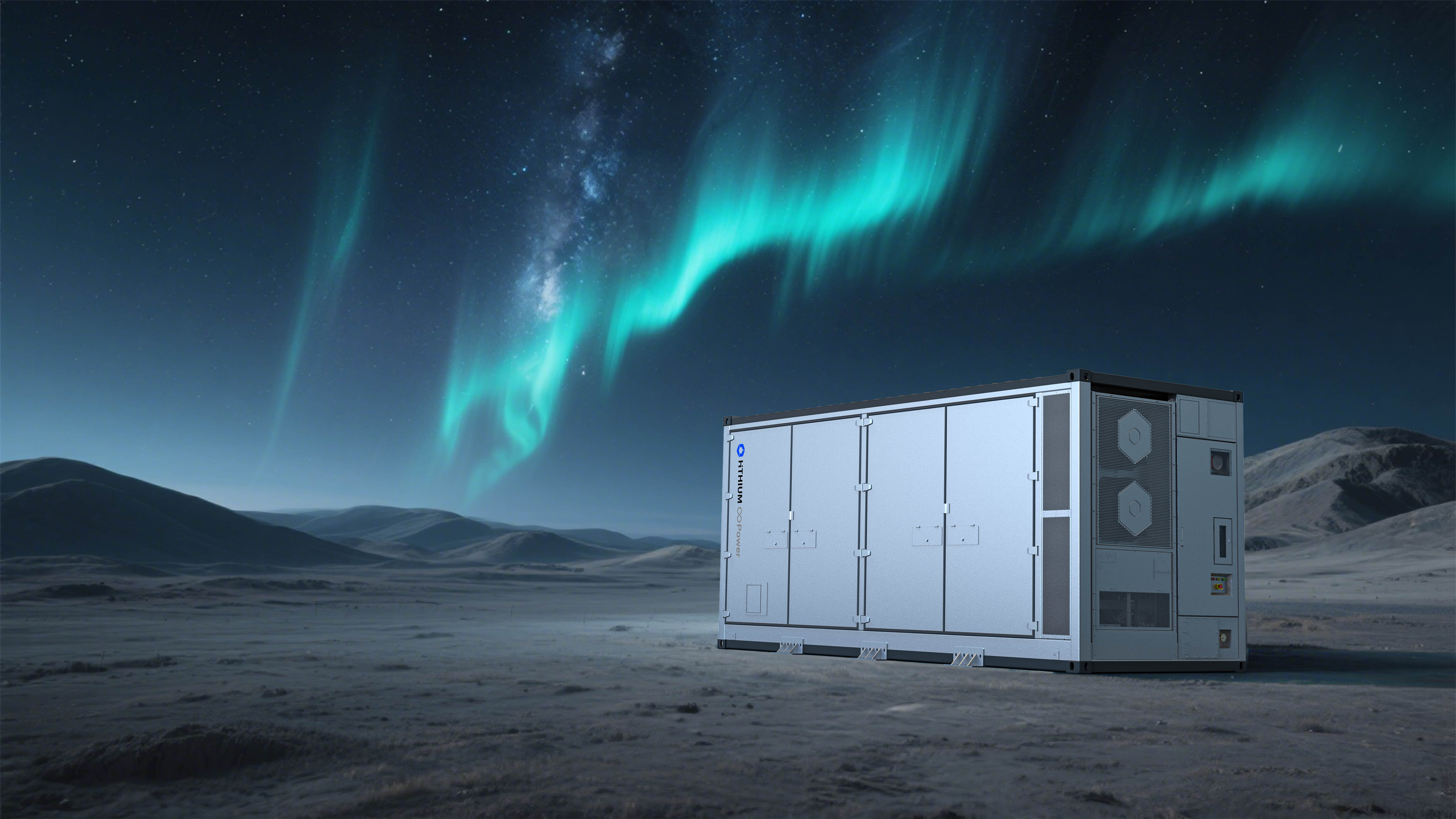
That morning stuck with me because the substation blinked, and the rack did not—an odd calm in a jumpy hour. (And yes, that still makes me grin.) I walked back to the truck thinking ahead to how I’d rewrite our bid specs. Let’s pull apart what that means, in plain terms, and why it matters for your next RFP.
Where traditional setups mislead decision-makers
Why do legacy choices fail under real dispatch?
Technical hat on. When we talk about energy storage system companies, buyers still chase headline efficiency and $/kWh. Those numbers help, but they hide the pinch points. I’ve seen older architectures tie battery racks, power converters (PCS), and the site EMS with brittle control loops. Under fast price swings, latency stacks up. The BMS asks for a limit change, the EMS lags, and the PCS hunts. You get oscillation, heat spikes, and a narrower state-of-charge window than promised. On a 50 MW/200 MWh site I audited near Bakersfield in 2023, we lost 8–10% usable capacity during 4–7 p.m. because control delays forced conservative setpoints. That’s not a paperwork issue; that’s lost revenue.
Cooling is the other blind spot. Air-cooled racks look cheaper at bid time, but they breathe dust and drift. I’ve opened cabinets after one windy summer and found filters loaded, cell delta-T up 6–8°C, and SOH sliding faster than models. Liquid-cooling with manifold isolation—and rack-level leak detection—kept a 100 MWh coastal site in La Porte, Texas, within a tight 2°C spread during a humid August. The payoff is boring on a page and huge on an O&M ledger. Trust me, this tweak saves headaches. I prefer systems that publish closed-loop thermal maps and expose real-time setpoints through the EMS, not just PDFs after the fact. Small detail, big peace of mind.
Comparative view: principles that future-fit your fleet
What’s Next
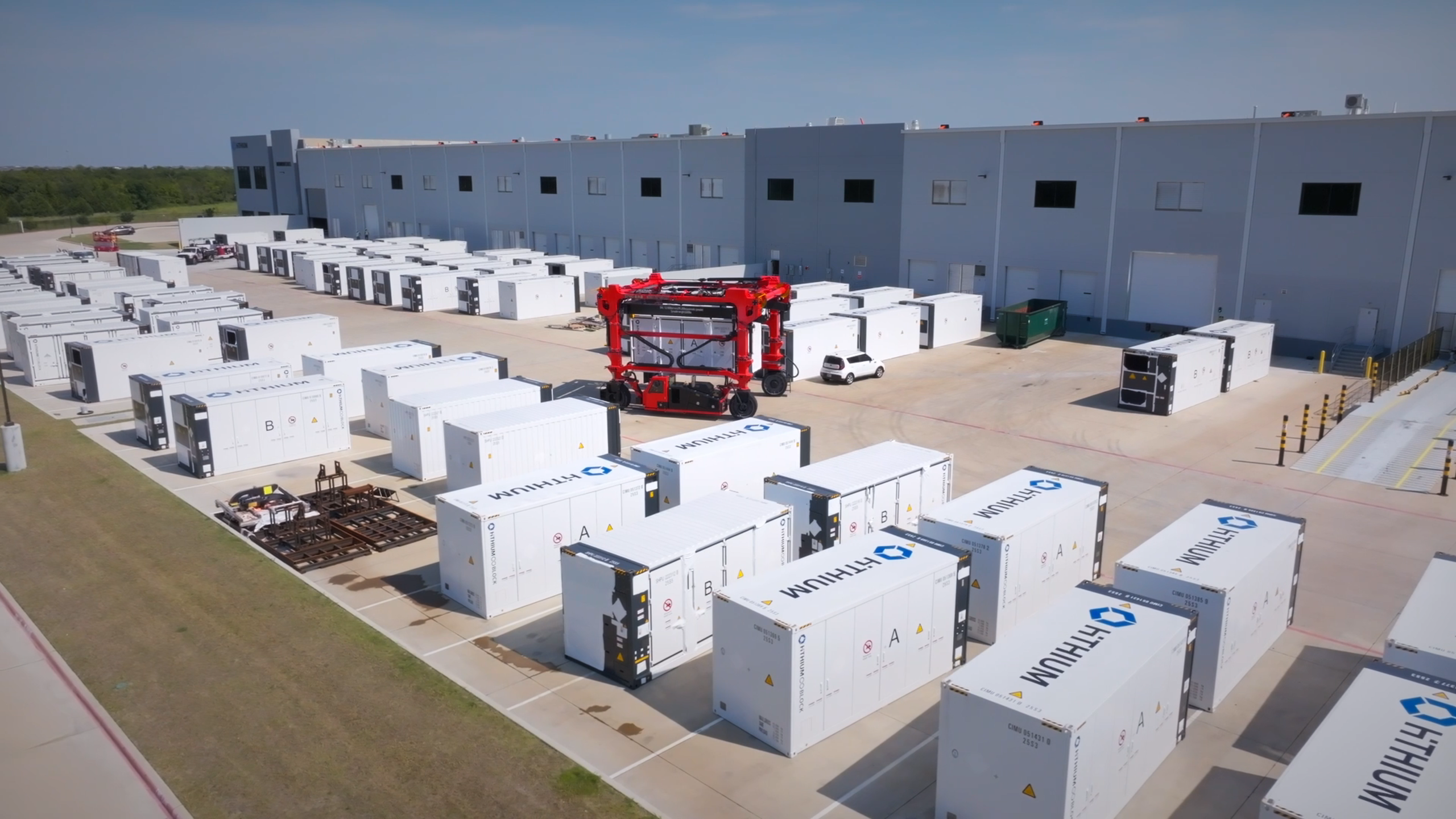
Semi-formal tone now, looking forward. The best designs I’ve commissioned push three principles: minimize latency, widen safe operating windows, and make failures small. HiTHIUM’s current stacks aren’t magic, but the cell-to-pack layout with shorter harness runs and rack-level controllers reduces the control loop by a beat—or two—under ramp stress. Add liquid-cooling loops that balance flow per string and you hold round-trip efficiency steady even when dispatch turns choppy. In one 20 MW case example outside Phoenix last fall, an upgrade from air to direct liquid cooling cut thermal events by 72% and added about 6 MWh of harvestable energy per week during evening peaks. The lesson repeats across the better energy storage system companies: shave delay, keep cells cool, and design the BMS to default safe without killing revenue. I like to see pack-level fusing, 1500 V DC strings, and an EMS that can run edge computing nodes at the substation, not just in the cloud—dispatch should not wait for downtown latency. I’ve watched a plant meet a CAISO 5-minute award with a 2-second cushion—tiny on paper, massive when prices jump.
Here’s how I compare options without drowning in brochure talk. First, new technology principles should be visible in live data: does the BMS expose real-time SOC/SOH confidence, not just a percent number? Second, thermal runaway mitigation can’t be a poster; I want test logs that show gas detection thresholds and isolation timing at the rack (—that timing detail saved a client a very long night). Third, integration matters more than slogans. The tighter platforms from leading energy storage system companies let me tune setpoints at the PCS, EMS, and rack controller from one seat, with audit trails. Wrap it up with three quick metrics I urge every buyer to score: 1) end-to-end control latency under a 0.5C ramp (milliseconds, not guesses), 2) delta-T across the worst rack at 40°C ambient (keep it ≤3°C), 3) real curtailment recovery time from 0 to 80% power after a grid event (seconds, not minutes). If a vendor can demo those on-site or via logged runs, I’m listening. If not, I move on—quietly, decisively, and with the lesson from Stockton still buzzing in my head. HiTHIUM