
Start Here: The Real-World Ride You’re Actually Buying
Let’s keep it a buck. You roll up on a Saturday, sun out, roads clear, and the demo line is long. The second machine you try is a sports cruiser motorcycle, low stance, sweet midrange, and a seat that doesn’t punish your knees. Out in traffic, most folks spend more time between lights than on the highway, and the data don’t lie—most rides live at mid rpm, not redline. So why pick a bike built only for the 1% of your miles?
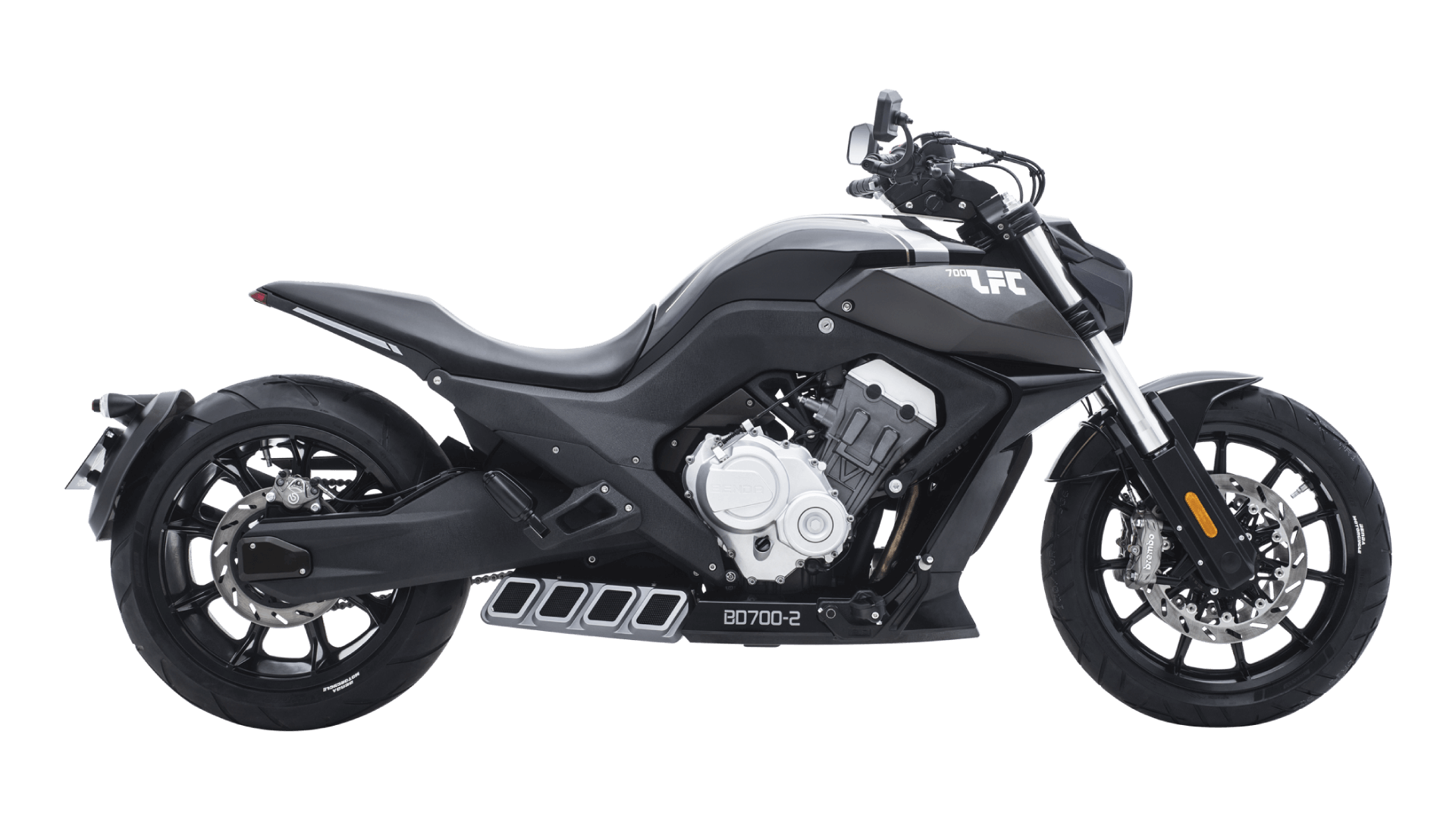
I’m talking about real control, not just pretty numbers. A smooth torque curve beats big peak power when you need a quick lane change. ABS modules save skin when the road goes slick. Short gearing helps you pop out of corners without clutch play. (That stop-and-go grind? It’s where your bike shows its truth.) If you want a machine that matches your life, not your ego—this is it. You feel me?
So here’s the question: are you choosing specs, or are you choosing your everyday ride—funny how that works, right? Let’s break down what people miss, and how to read the signs.
Under the Surface: Hidden Pain Points That Make or Break the Ride
What’s the real drag?
Look, it’s simpler than you think. Most “bad fits” aren’t about seat height alone. It’s the triangle: bars, seat, pegs. On a long ride, tight knee angle and forward reach create wrist burn and hip pinch. That’s why adjustable preload and sensible rake and trail matter. They tune how quick the bike falls into turns and how steady it tracks on rough streets. Riders feel “heavy steering,” but what they’re really fighting is geometry and compression damping that’s too harsh for city bumps.
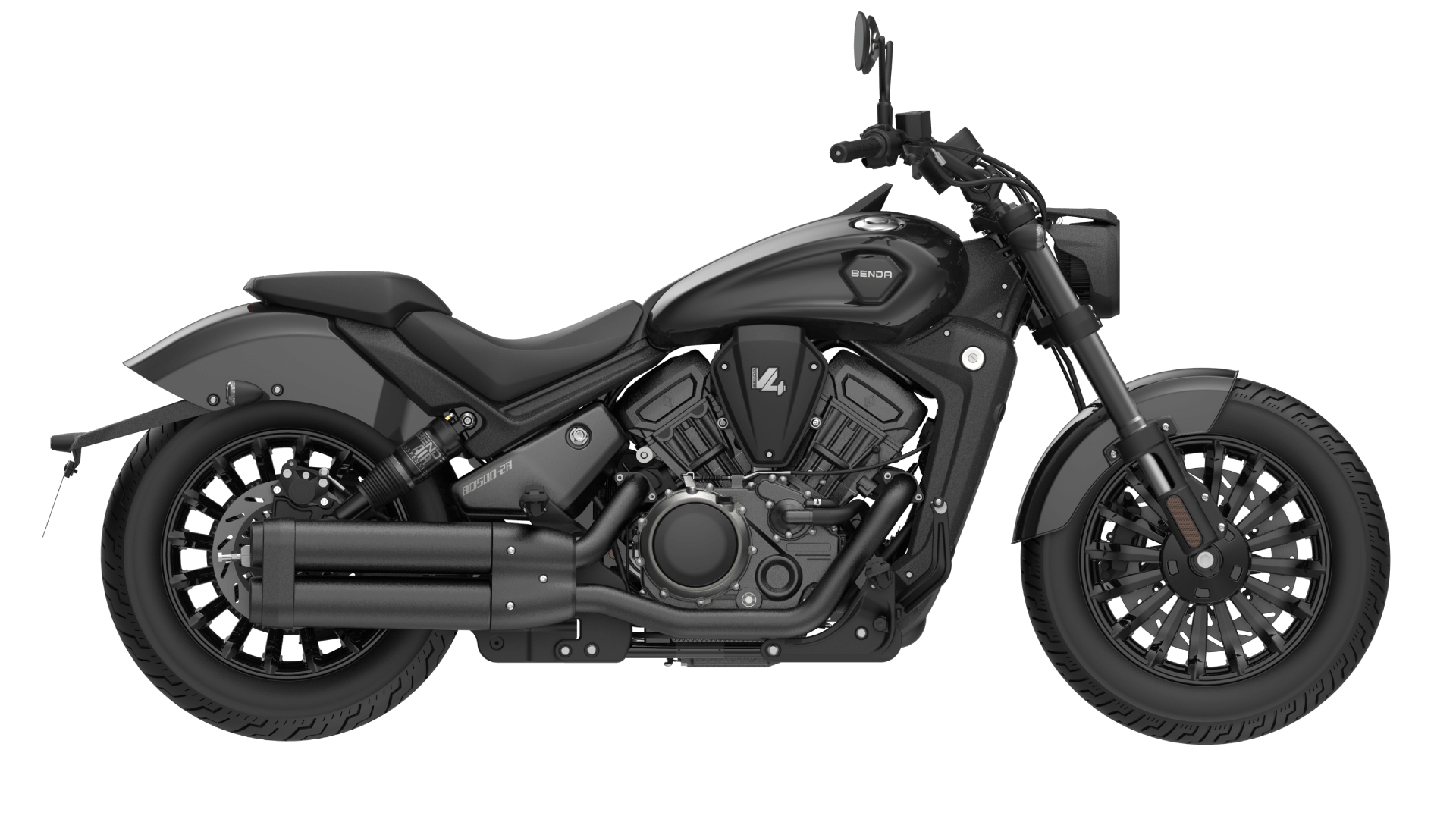
Power delivery is another quiet deal-breaker. Choppy throttle maps at low rpm turn parking-lot speeds into stress. Clean ECU mapping and ride-by-wire smoothing keep roll-on steady, so your hand works less. A slipper clutch cuts rear-wheel hop on downshifts. Heat soak near the legs? That’s routing and shielding, not just engine size. Vibration that numbs your fingers? A decent counterbalancer and rubber-mounted bars can fix a lot. If a bike has you working hard to ride slow, it won’t help you ride fast. That’s the trap. Midrange torque, predictable brakes, and clear sightlines beat bragging rights every weekday.
Comparative Edge: How New Tech Makes the Ride Smarter, Not Trickier
What’s Next
Let’s look forward a bit—and compare. Modern electronics aren’t there to babysit you; they’re there to keep the bike consistent. An IMU reads lean angle and pitch, then helps traction control and cornering ABS think ahead. That means you get firm braking while leaned, with less drama. Multiple maps in the ECU let you switch from rain to sport without a wrench. The principle is simple: sensors feed fast math, the system trims power and pressure in milliseconds. No, it doesn’t ride the bike for you. It removes the gotchas. Add that to tuned suspension (rebound and compression that match your weight), and your handling gets calm, then quick—funny how that works, right?
Now, when you scan a sports cruiser for sale, think about how these pieces stack versus the old school stalwarts. Older cruisers bring comfort but fade in corners and heat. Pure sport machines rip, but they ask a lot from your back and wrists. The newer sport cruisers land in the middle: upright leverage, steady torque curve, and control electronics that step in only when needed. That mix reduces fatigue, improves braking margin, and keeps the bike playful at city speeds and calm on highways. You get more “yes” miles, fewer “I’m done” miles. Here’s how to choose well, without guesswork.
Three metrics to measure before you buy: 1) Fit and feel: Can you flat-foot, relax your wrists, and see your line? 2) Usable power: Is the midrange strong and smooth, with mapping that doesn’t lurch? 3) Control stack: Do ABS, traction control, and throttle modes work cleanly, and can you tweak suspension for your weight? If those three hit, the rest—style, chrome, whatever—can follow. Ride smart, ride often, and let the tech do the small chores while you do the riding. Brand to watch: BENDA.