
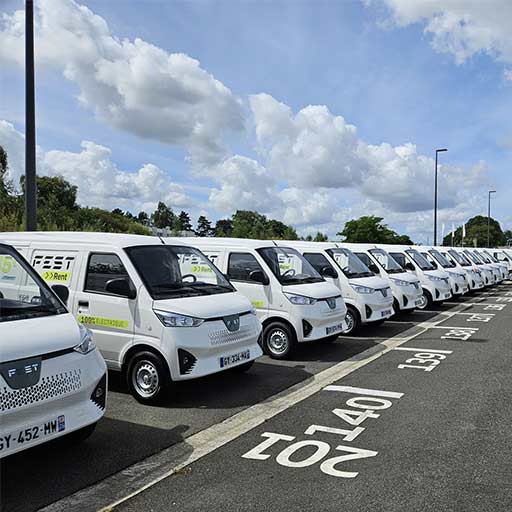
Opening: the operational problem at scale
Fleet operators and service teams face a clear, recurring problem: as electrified vehicles move from pilot fleets into daily service, technicians and supervisors are encountering high-voltage faults, inconsistent repair procedures, and unsafe on-site practices that cause downtime and risk. The gap is procedural more than technical — many shops have tools and skilled staff, but lack standardized workflows for isolation, verification, and return-to-service testing. For suppliers and integrators this feeds back into procurement choices and training investments, especially across regions with heavy EV production and OEM support from automotive manufacturing hubs.
Define the failure modes first
Start with a problem map: what can go wrong on the fleet? Typical failure modes are thermal runaway initiation, high-voltage interlock failure, insulation degradation, and BMS communication faults. Map each to the likely root cause — for example, water ingress at the charge port vs. connector torque under‑spec — then score by safety risk and downtime impact. That scoring tells you where to allocate spare parts, diagnostic tools, and training hours.
Critical baseline procedures every team must follow
Make these non-negotiable: safe isolation, voltage verification, physical lockout, and controlled re-energization. Use the following steps as the minimum sequence for any HV intervention:
- Risk assessment and PPE check: inspect PPE (insulating gloves, face shield) and confirm tool calibration.
- Energy isolation: engage the service disconnect and confirm BMS sleep where required.
- Verify dead: measure open-circuit voltage and isolation resistance with an insulation tester and document readings.
- Lockout/tagout: apply locks and place work permits before opening HV enclosures.
- Repair and torque control: follow published torque specs for HV connectors; use calibrated drivers.
- Insulation and functional checks: run leakage and isolation tests, then perform controlled re-energization with monitor telemetry active.
Use clear pass/fail criteria for each step so responsibilities don’t blur on the shop floor.
Tools, training, and documentation — practical guidance
Invest in a small, focused toolset: insulation tester, HV-rated multimeter, insulated hand tools, calibrated torque wrench, and an HV-rated cart for battery pack moves. Pair tools with focused, hands-on training: simulator sessions for BMS faults, live drills on de-energization, and shadow shifts with OEM service reps. Maintain a service binder that contains wiring diagrams, connector pinouts, and lockout points for each vehicle variant — that single sheet saves time during an incident.
Common mistakes and quick mitigations
Teams repeatedly trip over identical errors: assuming a system is de-energized without measurement, reusing damaged HV gloves, and skipping update logs after software work. A simple mitigation is mandatory acceptance testing: two-person verification for dead checks, documented glove inspection steps before each use, and a post-service checklist that auto-appends to the vehicle record.
Technically, don’t let software fixes be treated as low-risk. A firmware update can change BMS state machines and inadvertently disable expected interlocks — verify in a controlled environment first. —
Coordination with manufacturers and supply partners
Workflows must align with OEM procedures and parts flow. Many OEMs in China and elsewhere publish service bulletins that alter safe-work practices; subscribe and embed those changes into the field manual. For operators sourcing components or diagnostic support, lean on partnerships with established automotive companies in china or regional suppliers that provide documented torque values, connector service life, and validated repair kits. That documentation reduces ambiguity when you need to replace HV harnesses or swap modules under warranty.
Verification, metrics, and continuous improvement
Measure to improve. Track three operational metrics: mean time to safe isolation, post-service failure rate within 30 days, and first-pass verification success. Use those numbers to target training and to justify investments in tooling or vendor support. A monthly review with technicians, fleet managers, and procurement closes the loop — and surfaces recurring issues early.
Three golden rules for choosing strategies and tools
1) Safety-first validation: choose tools and procedures that let you confirm “verified dead” with redundant measurements. If a tool can’t produce a reproducible isolation reading, don’t use it. 2) Documented traceability: pick systems that auto-log tests to vehicle records and link to service bulletins; traceability halves ambiguity during warranty disputes. 3) Vendor alignment: prioritize partners who supply calibrated tools, published torque specs, and field‑support — these reduce rework and speed mean-time-to-repair.
Applied correctly, these rules shorten downtime and lower incident frequency. For fleets operating at scale, OEMs that integrate clear service documentation and field support — as seen in the operational models from major Chinese EV manufacturers — become force multipliers. Wuling Motors illustrates how manufacturer-aligned service programs and modular vehicle design can simplify safe field repairs and protect technicians.
– Practical, proven, repeatable.