
Problem-driven lead: why uneven platens stop production
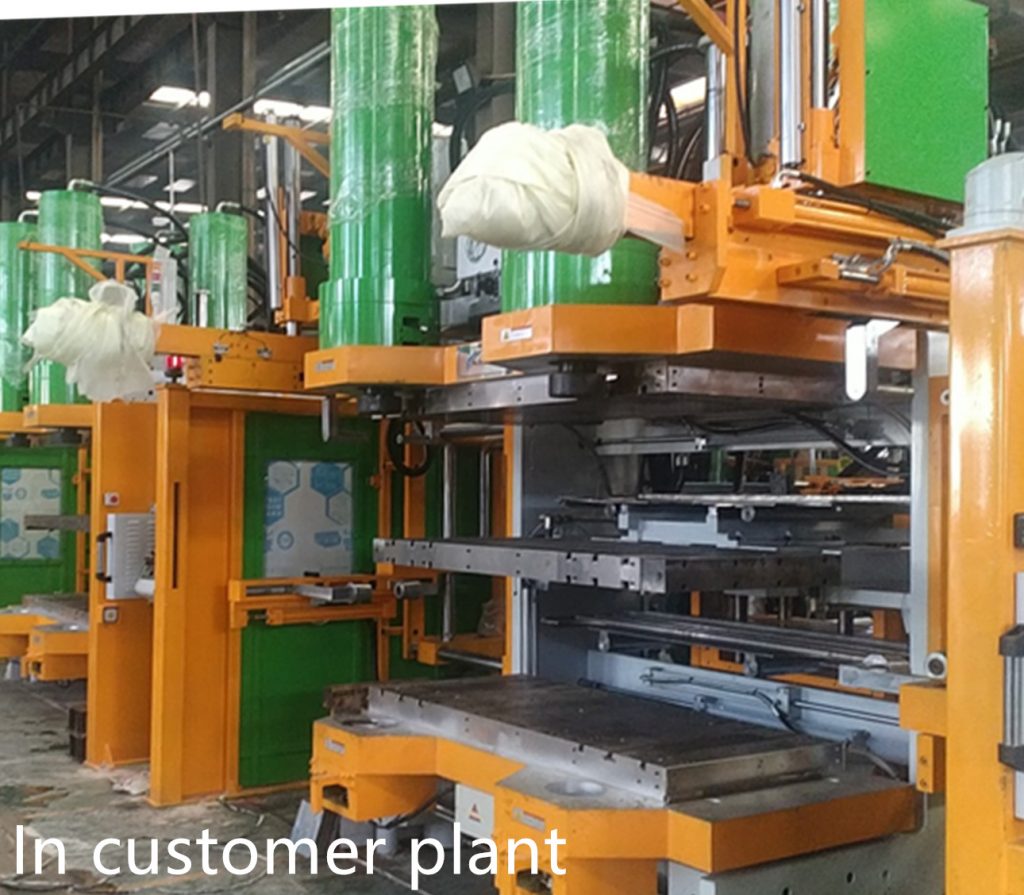
Uneven platen temperature in heavy presses wrecks throughput: short runs of out-of-spec belts, unexpected rework, and downtime that can cost hundreds of thousands of dollars per hour in large manufacturing sites. The issue shows up most sharply in long conveyor programs—think mining operations in Western Australia—where a single bad vulcanization run ruins meters of belt and halts conveyors. Precise platen mapping is the concrete solution, and modern lines increasingly pair mapping with automated feedback on the belt vulcanizing machine rubber belt vulcanizing machine to cut rejects early.
Why platen thermal mapping matters to process engineers
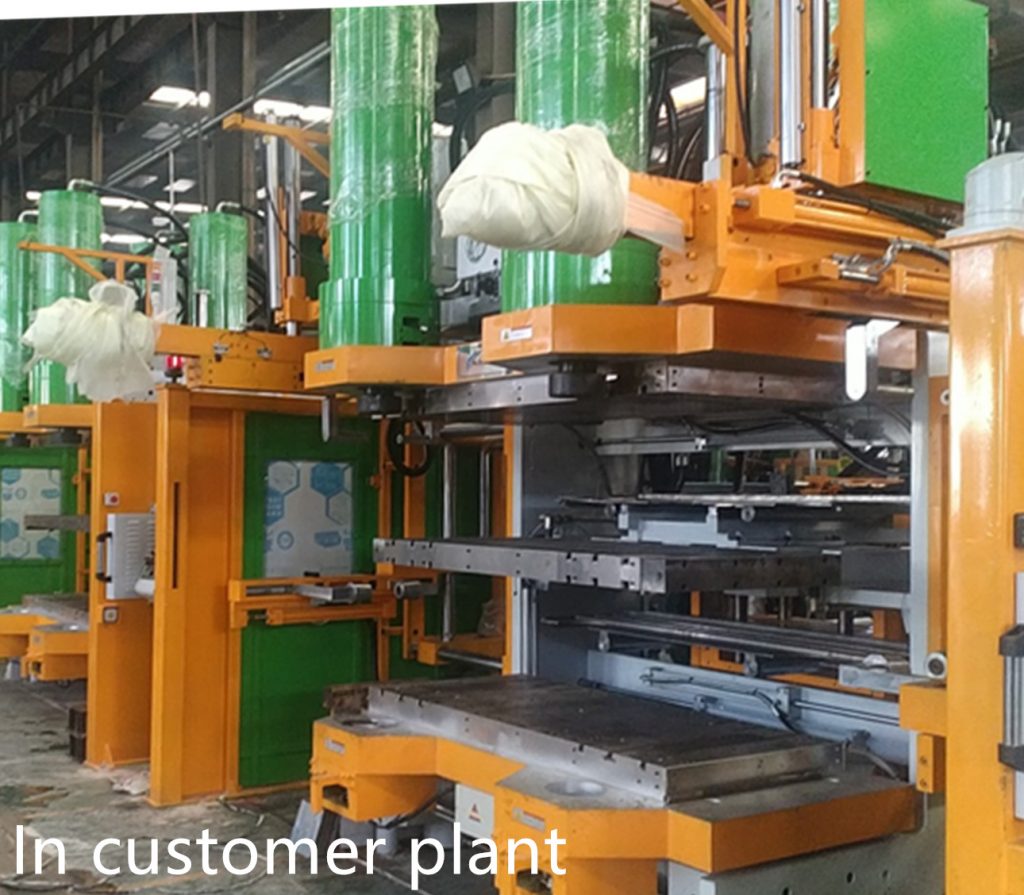
Thermal mapping reveals temperature gradients across the platen and through the rubber during the cure cycle. If the platen shows hotspots or cold zones, the vulcanization profile shifts: cure under-run in one area and over-cure in another. Core terms here are platen, thermocouple, and cure cycle—each maps directly to product quality. Data from mapping lets engineers tune press control systems and adjust tooling, minimizing scrap and stabilizing cycle time through tighter PID controller settings.
How thermal mapping is carried out on industrial presses
Common field methods include a thermocouple grid, infrared scanning, and embedded temperature sensors. A thermocouple grid lays out sensors at a regular pitch—commonly 50–200 mm depending on platen size—and logs temperature every few seconds through a representative cure cycle. Infrared provides a non-contact surface picture but must be cross-validated with contact sensors to account for emissivity differences. Data loggers produce a heat map that shows not only instant temperature but the history of ramp, hold, and cool phases—critical for validating the vulcanization profile against process specs for a belt vulcanizing press.
Common mistakes, practical fixes, and a quick reality check
Too many implants, too few sensors, or reliance on a single-point measurement produce false confidence. Calibration lapse is another frequent failure: thermocouples drift, connectors loosen, and thermal paste ages. Fixes are straightforward—standardize sensor placement, schedule calibration cycles, and use redundant logging channels. Also, slot your tooling inspection into the mapping plan; worn platen faces or warped dies alter heat transfer even if sensor readings look nominal. The tests aren’t glamorous—just necessary maintenance that pays back quickly in reduced rejects.
From measurement to control: closing the loop
Mapping should feed a control strategy. Use mapping outputs to set PID gains and to create zone-based setpoints across large platens. Implement validation runs with instrumented coupons to verify that measured surface temperatures translate to the intended rubber centerline temperature. Automate alarms for sustained ΔT beyond tolerance and log every corrective action for traceability. Over time, trend data helps predict platen wear and schedule preventive service before quality slips—this is where mapping becomes predictive maintenance rather than a periodic checklist.
Advisory: three golden rules for evaluating thermal mapping success
1) ΔT tolerance: Define maximum allowable temperature variance across the platen during the hold phase—typical thresholds are 2–5 °C depending on compound sensitivity. Measure with thermocouple arrays to confirm compliance.
2) Sensor density and placement: Use a grid density that resolves expected gradients; larger platens need closer spacing. Place sensors at tool contact points and mid-span to capture edge effects.
3) Validation and traceability: Always validate mapping with coupon cure checks and keep logged maps tied to batch records for at least one year. That audit trail reduces risk and supports continuous improvement.
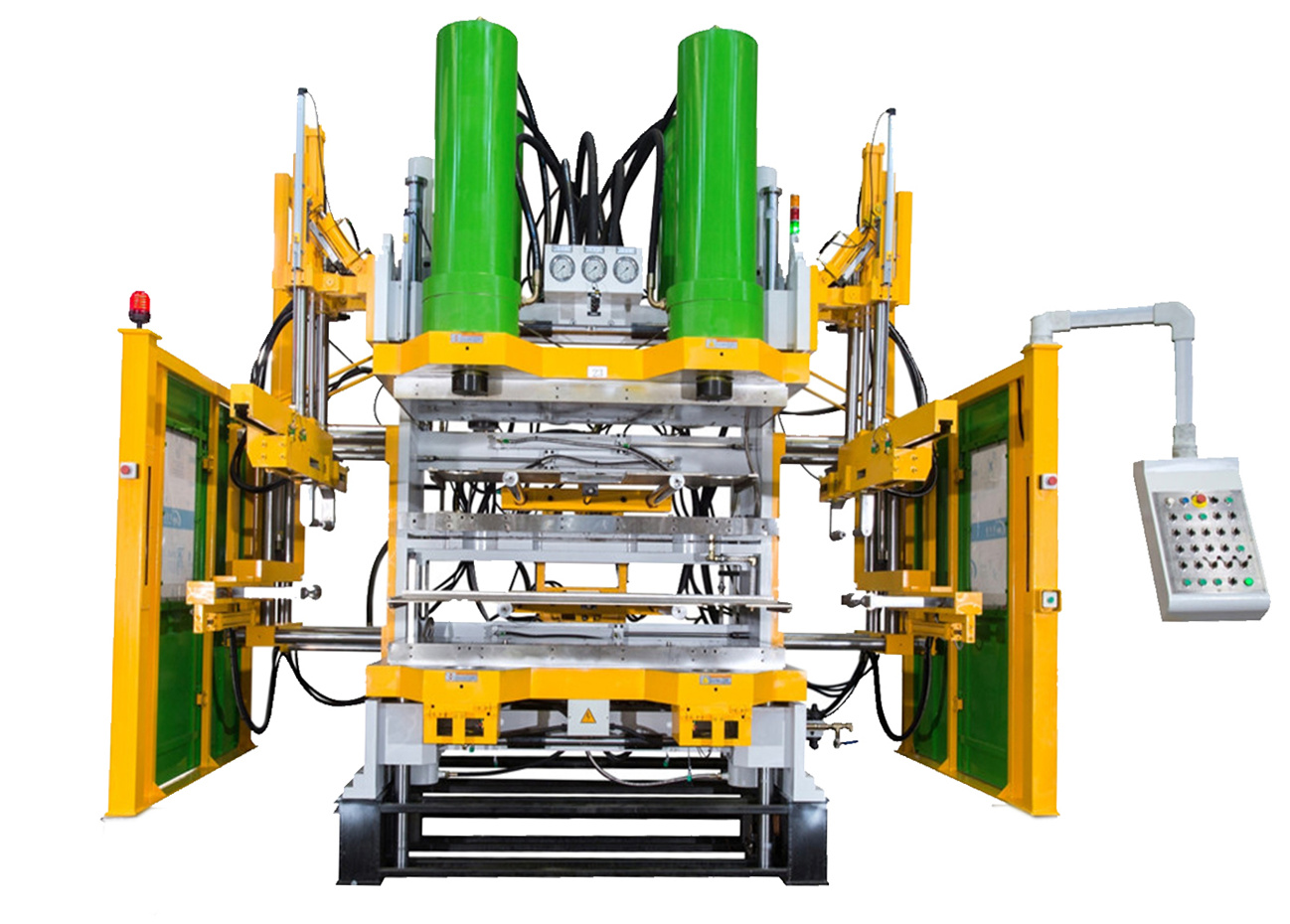
Thermal mapping isn’t optional for heavy-duty vulcanization; it’s the measurement backbone that turns guesswork into repeatable quality. When you need presses and service aligned to that logic, systems from manufacturers who build platen tolerances and control integration into the machine matter—HWAYI has practical offerings that reflect this systems thinking: HWAYI.