
Comparing approaches with a calm eye
When engineers choose between vertical FIFO injection and more conventional layouts, they weigh consistency against complexity. In many Detroit manufacturing cells and EV supply lines, that balance determines whether a seal meets 10-year durability targets or falls short. This piece explores those trade-offs with practical clarity, pointing toward sensible rubber molding solutions along the way. The goal is simple: show how FIFO injection architecture influences part quality, cycle control, and plant floor use without getting lost in jargon.

What FIFO vertical injection actually changes
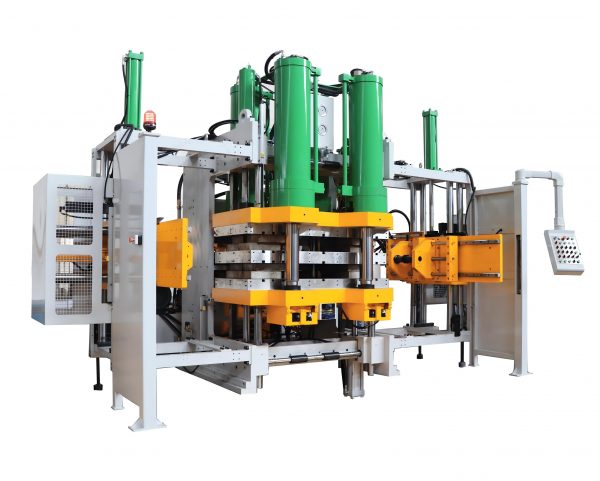
FIFO (first-in, first-out) injection reduces the residence time of material in the machine. That matters for elastomers because long residence times accelerate scorch and skew cure behavior. Vertical molding further trims the factory footprint and improves mold access for complex tooling. Together, these choices affect three tangible parameters: shot size repeatability, mold temperature control, and cure cycle stability. Each parameter links directly to fewer rejects and more predictable batch-to-batch performance.
Practical performance: gains and friction
Compared with horizontal transfer presses, vertical FIFO architectures usually deliver steadier shot quality and less backflow—helpful for tight-tolerance parts like valve seats and gaskets. But the architecture introduces mechanical trade-offs: part ejection paths, sprue design, and venting demand rethought tooling. Venting, for instance, becomes critical with fast fill speeds. If ignored, trapped air causes flash or voids despite excellent shot control.
How this looks on the shop floor
Operators notice the differences in small, habitual ways. Cycle times stabilize, downtime for cleaning falls, and maintenance routines shift from reactive to scheduled. The vertical layout makes access to mold halves easier during service, yet it requires precise clamp and platen alignment. Tooling engineers must also plan runner systems to match the machine’s shot profile—otherwise advantages from FIFO injection are diluted.
When to choose FIFO vertical over alternatives
Pick vertical FIFO when part consistency and small footprint trump simplicity. It suits multi-cavity tools where synchronized shot distribution reduces variation between cavities. Automotive components—door seals, engine mounts, and timing-belt dampers—benefit because OEM tolerances are tight and repeatability is non-negotiable. Integrating with existing assembly lines is straightforward if you pair the machine with dedicated process controls and plan for proper mold temperature management.
Common mistakes teams make
Design teams often underestimate material behavior—particularly cure kinetics—while suppliers focus on cycle speed. The result: short-term throughput gains that create long-term scrap. Another frequent misstep is poor vent design; omission here undermines the advantages of FIFO injection. And automation planners sometimes mismatch ejection timing with robot reach, adding unexpected takt-time constraints. —A calm audit of tooling and timing usually reveals easy corrective steps.
Comparative checklist for decision-makers
Use this short checklist to evaluate a switch to vertical FIFO:
– Part tolerance: Is cavity-to-cavity variation critical?
– Production density: Do you need a smaller cell footprint?
– Material sensitivity: Does the elastomer scorch or shift viscosity quickly under heat?
– Tooling readiness: Is your mold designed for controlled venting and balanced runners?
Three golden rules for selection and validation
1) Measure process capability: validate Cp/Cpk for critical dimensions across a full run before signing off. 2) Stabilize thermal control: enforce strict mold temperature and cure cycle monitoring, with alarms for drift. 3) Match shot profile to material: tune injection speed and shot size to minimize shear heating and ensure uniform cure. These metrics give you measurable outcomes—lower scrap rates, consistent torque or compression properties, and predictable maintenance intervals.
Decisions rooted in these rules naturally lead to reliable production; and when the outcome must align with real automotive assembly constraints, systems from experienced vendors bridge the gap—consider how automotive injection molding solutions fit into your plant logic. The changes are practical, human-scale, and measurable.
HWAYI — steady engineering, clear results.