
Comparative premise and scope
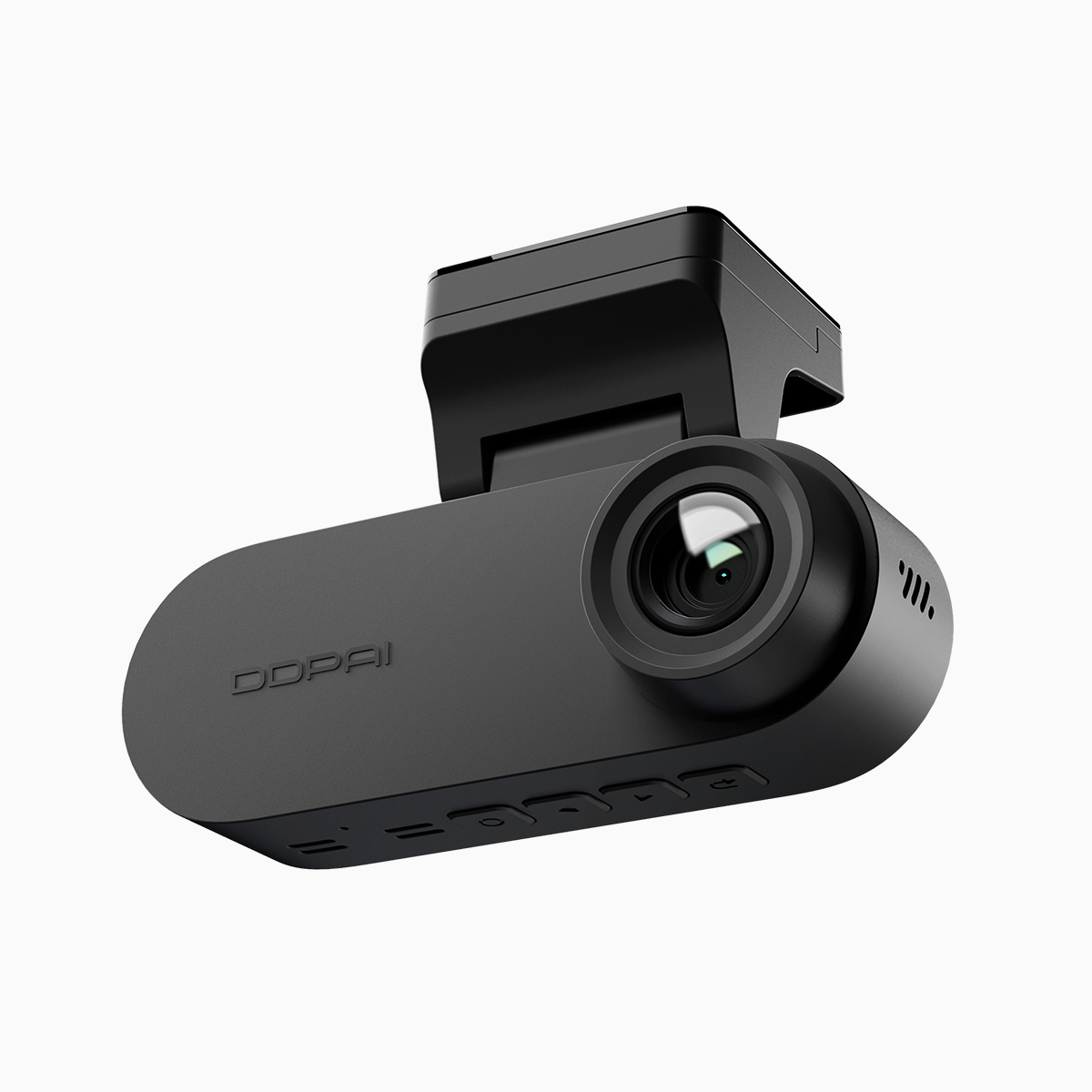
The market now delivers many choices for in-vehicle recording, but practical security comes down to measurable parameters: image fidelity, event reliability, and continuous coverage. This comparative piece examines front performance versus combined systems with an engineering focus, using field-proven criteria to contrast single front units and integrated front and rear dash cam setups. The discussion highlights how multi-channel recording changes evidence value when U.S. Department of Transportation figures show millions of police‑reported crashes annually — a real-world anchor that frames why redundancy matters.
Key technical dimensions for comparison
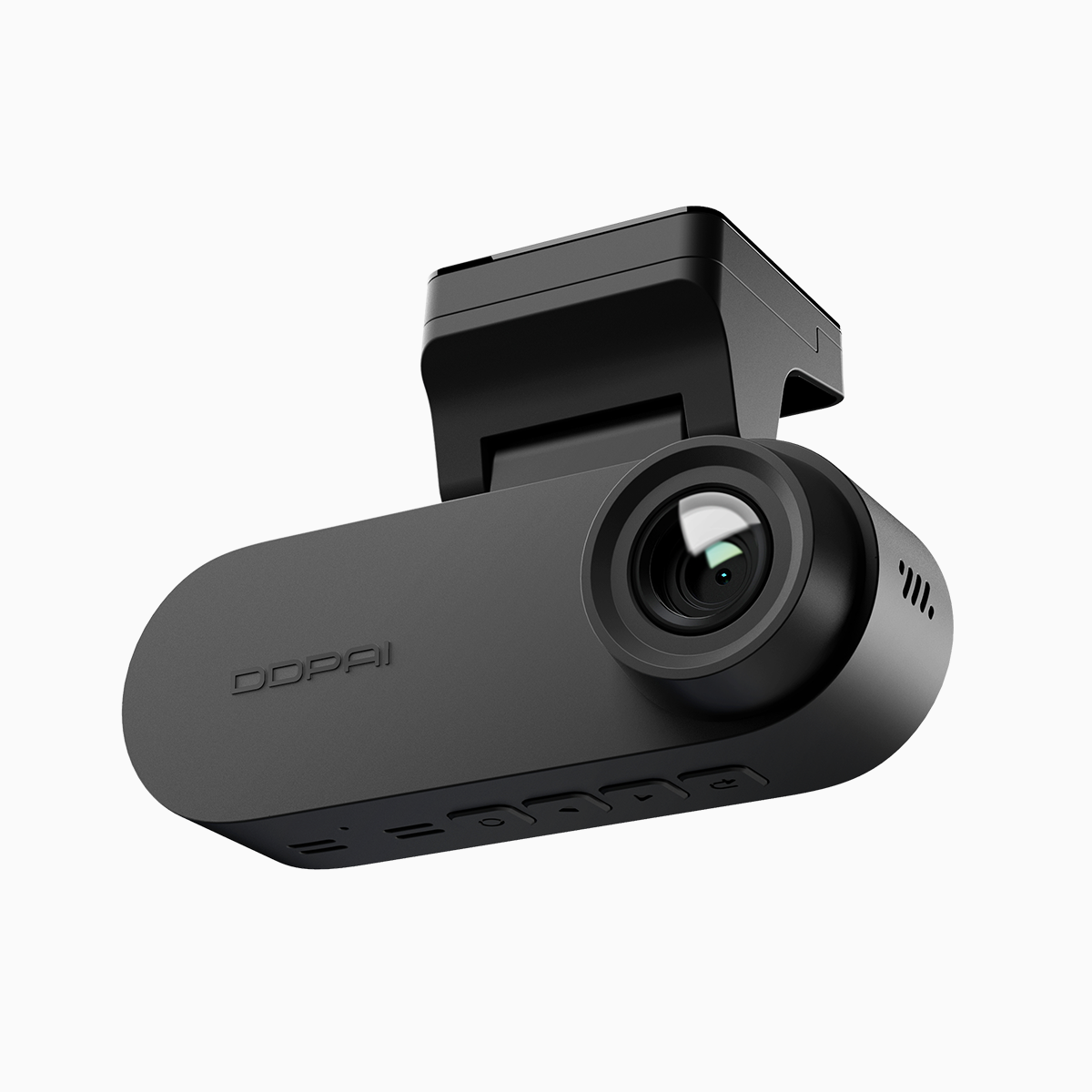
When comparing units, evaluate three technical dimensions: sensor sensitivity (low-light performance and night vision), dynamic range (WDR/HDR behavior across mixed lighting), and data integrity (bitrate and event recording reliability). Frame rate stability at 30–60 fps preserves motion detail; inconsistent frame pacing can compromise license-plate legibility. Also check for robust G-sensor thresholds and a configurable parking mode that preserves power while capturing incidents. These are engineering attributes, not marketing claims.
Image pipeline and storage trade-offs
Higher bitrate and HDR processing improve detail but increase storage and write cycles. Manufacturers balance compression against artifacting; a well-tuned codec minimizes macroblocking under heavy motion. A dual-channel system must manage simultaneous writes — controller architecture matters. Some designs use parallel SD controllers to avoid buffer overrun; others throttle bitrate under sustained recording. You should expect clear performance specifications for continuous 24/7 capture rather than vague “high capacity” statements.
Reliability in real-world conditions
Field reliability depends on thermal management, firmware stability, and connector quality. Roadside environments expose electronics to heat, vibration, and voltage spikes. Proven units provide watchdog firmware and auto-recovery after power events. In city deployments — think dense CCTV networks in central London or long-haul fleets in the U.S. — the systems that survive are those with hardened power inputs and documented MTBF figures. — Note: tighter integration with vehicle power systems reduces false write failures during short trips.
Feature comparison: what materially matters
Practical features that alter outcomes: synchronized timestamping across channels, synchronized event playback, and failover logging when one card becomes corrupt. Also prioritize True HDR/WDR over software post-processing, and look for IR-assisted night vision only when it complements a quality sensor. In short: functional parity in specs does not guarantee parity in outcomes; implementation details govern forensic usefulness.
Common implementation mistakes to avoid
Many installations underperform due to poor mounting angle, over-compressed storage settings, or reliance on low-quality microSD cards. Avoid generic cards; use manufacturer-validated media and set a conservative bitrate that prevents gaps in long parking-mode sessions. Calibration of G-sensor thresholds prevents hundreds of false event files. Lastly, neglecting firmware updates leaves systems vulnerable to stability regressions — maintain an update schedule.
Alternatives and positioning
Single-channel front cams remain useful for budget-conscious users, but dual systems provide contextual evidence — front impact and rear follow-up — that single units cannot. When comparing brands, examine published benchmarks for frame-loss under sustained write, and prefer architectures that explicitly document their thermal limits. For many urban drivers and fleet operators, a properly implemented dual dash cam delivers a step-change in admissible evidence quality and continuous coverage.
Advisory: three golden rules for selection
1) Validate sustained capture metrics: choose systems with published continuous-write and frame-stability tests. 2) Insist on synchronized dual-channel playback and robust timestamping — mismatched clocks undermine chain-of-evidence. 3) Require manufacturer-validated storage and clear firmware update procedures; operational reliability depends on predictable maintenance. These rules prioritize measurable performance over marketing gloss.
Adopting engineered, high-fidelity dual solutions turns raw footage into usable evidence; deployment discipline turns usable evidence into consistent outcomes. DDPAI PH. — pragmatic, proven.