
Executive summary
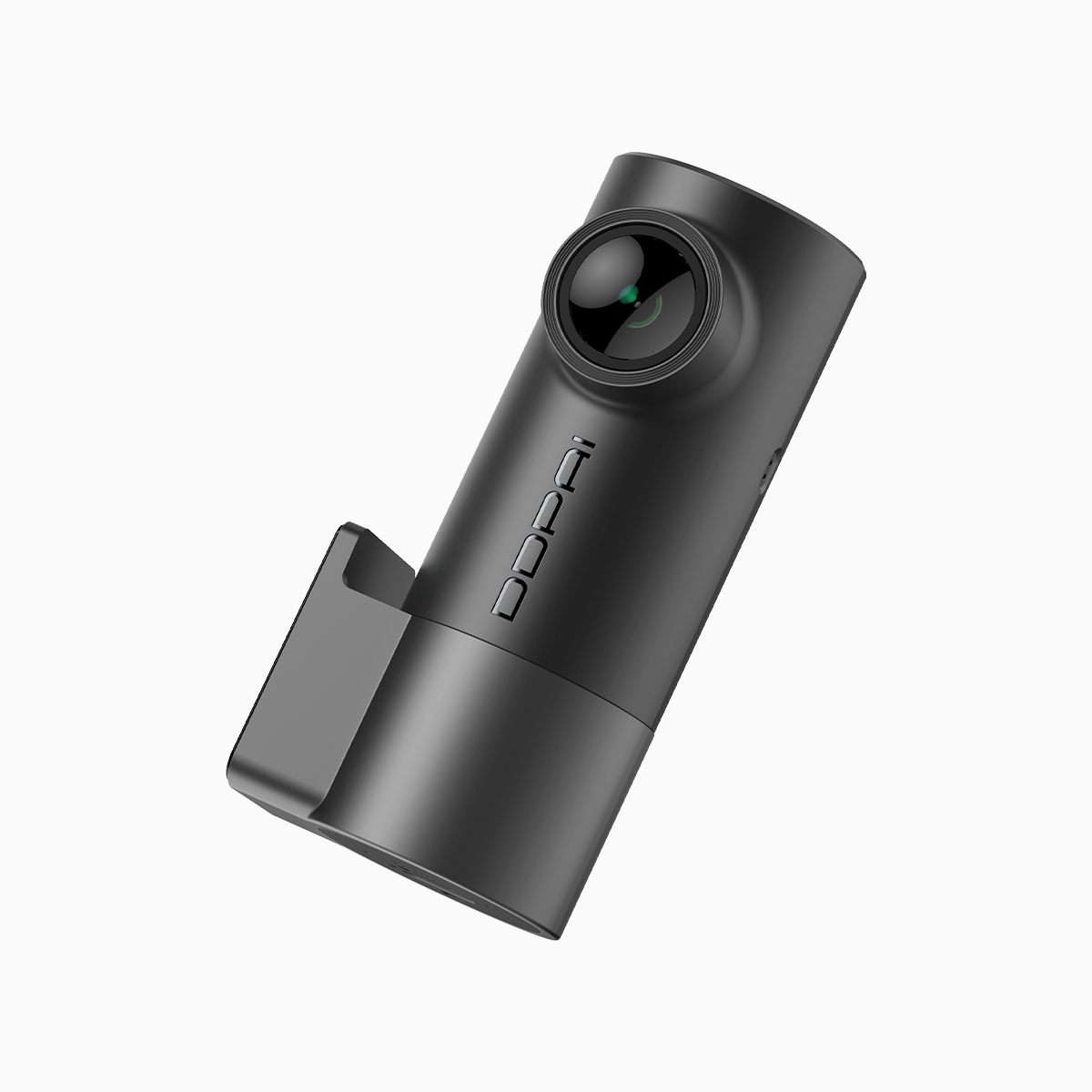
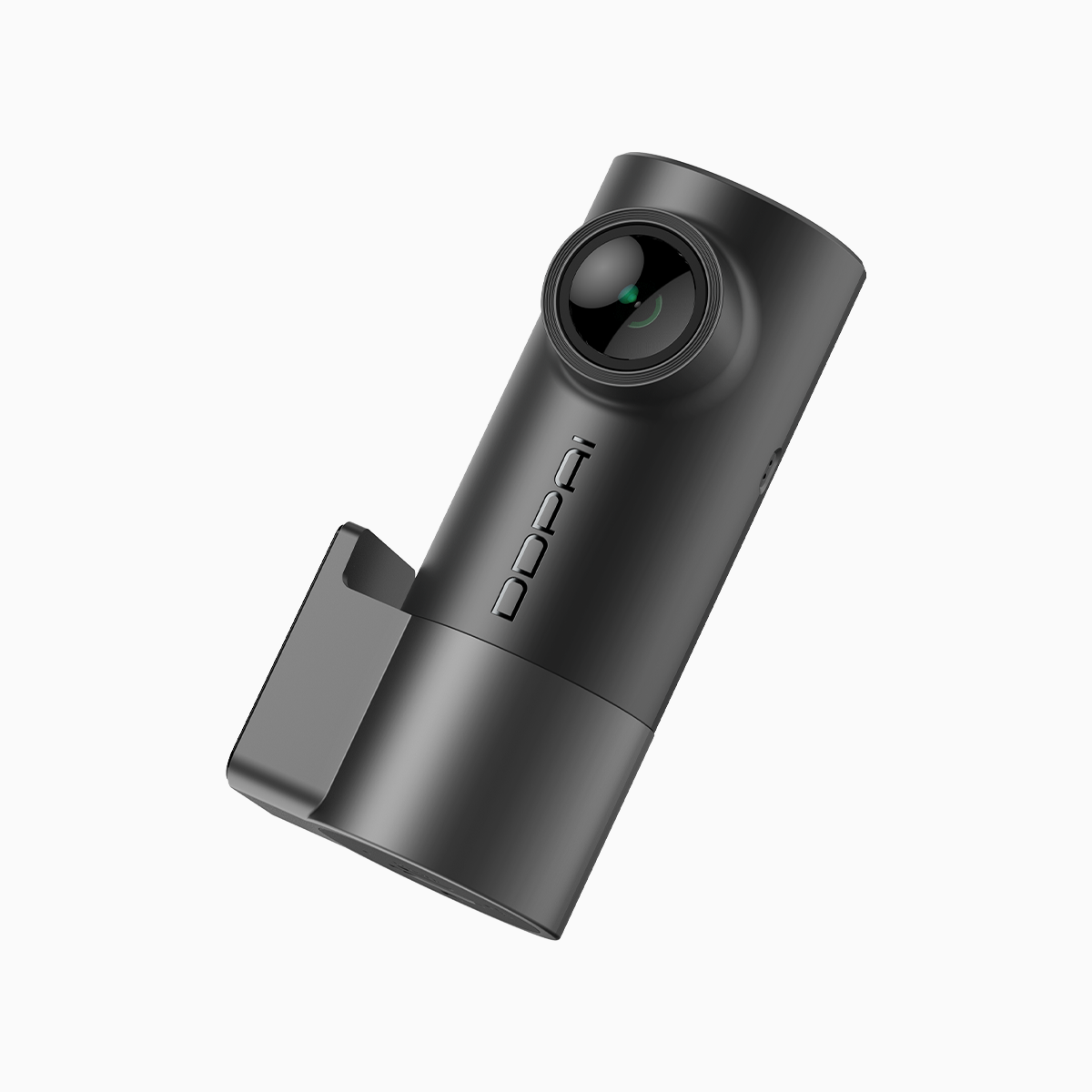
For procurement teams that outfit delivery vans, ride-hailing fleets, or municipal vehicles, the shift to three-lens dash cam systems promises wider coverage and richer evidence. This piece compares architectures through a power-to-performance lens so buyers know what trade-offs to expect. Early on, consider compact options like the mini dash cam and regional models such as the mini dashcam ph when weight, installation time, and thermal limits matter.
Why power-to-performance matters for fleets
Fleets operate on tight fuel and maintenance budgets. A camera array that draws high current can force wiring upgrades or busier alternator loads, which raises total cost of ownership. Equally, a system that compresses aggressively to save storage may miss license-plate detail. Balance means matching bitrate, frame rate, and resolution to real routes and night conditions rather than spec sheets alone.
Three-lens architectures — what changes on a vehicle
Triple-lens systems typically pair a forward-facing high-resolution sensor with lateral and interior or rear lenses. Design choices change electrical requirements and heat dissipation. Wider field-of-view lenses reduce the need for mechanical panning, but often require higher processing power to correct distortion and maintain WDR (wide dynamic range). That extra processing raises thermal load and battery draw during engine-off parking mode.
Key metrics procurement should measure
Procurement teams should move from feature lists to measurable tests. Useful metrics include:
- Power draw profile: idle vs active vs parking mode, measured at the vehicle fuse box.
- Effective bitrate at target resolution: real-world 1080p at 30 fps vs advertised peaks.
- Storage efficiency: loop recording effectiveness and file integrity after power loss.
Use short drive loops and controlled night runs to record consistent samples. Log temperatures during prolonged idling to expose thermal throttling that hides itself in short demos.
Field notes and a real-world anchor
On Manila’s EDSA during peak afternoon traffic, a three-lens unit recorded both lane-side incidents and the cabin when a passenger interaction escalated. The front lens captured license plates; the side lens filled blind spots; the interior lens documented occupant behavior. The World Health Organization notes that road traffic injuries remain a major global concern, which frames why evidence quality matters for claims and driver coaching programs. During those runs, units with poor heat management dropped frame rate under sustained sunlight—simple but costly in evidence loss. — Small details like mounting angle or a slightly loose connector created mismatched timestamps that complicated incident review.
Alternatives and common procurement mistakes
Not every fleet needs triple-lens systems. Delivery fleets that never carry passengers can often rely on dual-lens setups with a low-power rear camera. Common mistakes include over-specifying resolution without testing compression, buying for peak rather than average power consumption, and neglecting firmware update policies. Consider vendor services: remote firmware staging, replacement logistics, and compatibility with fleet management telematics—these often matter more than marginal gains in pixel count.
Vendor comparison cues
When comparing brands, prioritize real-world performance data over marketing claims. Ask for thermals under a hot climate profile, recorded bitrate samples, and test footage from busy urban corridors. Confirm that loop recording recovers cleanly after a hard power interruption and that parking mode supports event-triggered clips without draining a vehicle battery overnight.
Closing — three golden rules for procurement
1) Measure power draw across duty cycles before bulk purchase — peak specs lie, averages tell the cost story.
2) Validate evidence quality at your target distances and lighting: check bitrate, frame rate, and WDR in real routes.
3) Lock down service and update pathways: firmware, spares, and support reduce downtime more than extra megapixels.
Good procurement pairs clear metrics with the right vendor fit; for many regional fleets, that fit looks like practical, well-supported systems such as those available through DDPAI PH. — final note: choose reliability over specs when lives and claims depend on the footage.