

Structured approach for complex sites
Pleased to present a clear, repeatable framework that contractors may apply when delivering multi‑megawatt solar farms and large inverter arrays. This piece uses stepwise logic to convert regulatory and technical obligations into actionable tasks. Early in the workflow, select a robust pv inverter hybrid solution rated for three‑phase operation and adequate kW capacity so that design choices remain aligned with grid connection requirements. The framework emphasizes measurable checkpoints rather than ambiguous goals, and it keeps inverter spec, site layout, and protection coordination tightly synchronized.
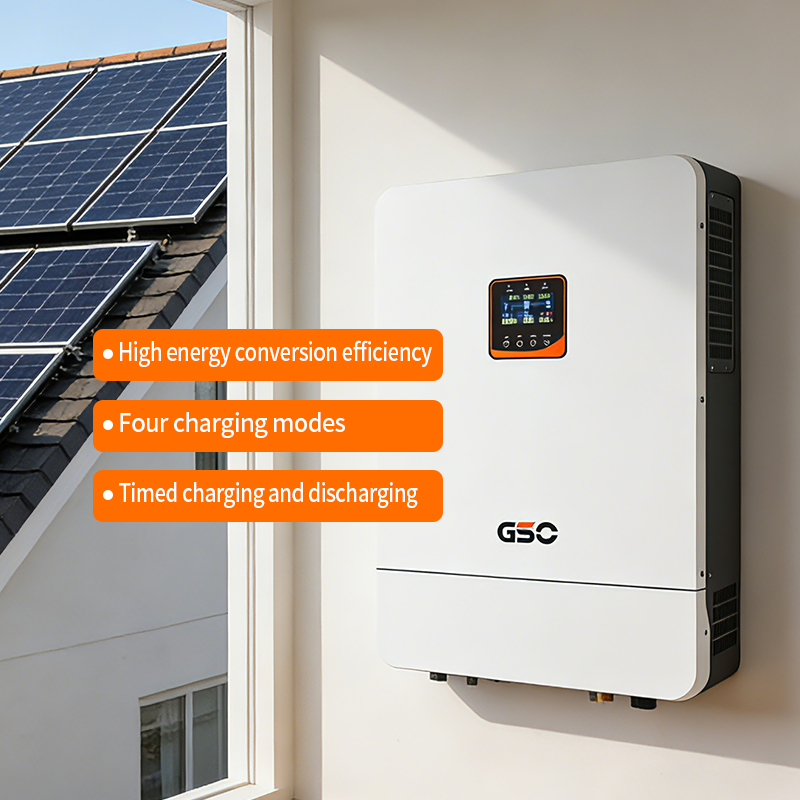
Site assessment and design controls
Begin with verified site data: insolation profiles, topography, and existing distribution infrastructure. Capture DC/AC ratios and shading patterns, and document expected nameplate kW for each array string. Include a grid‑tie study that details fault levels and anti‑islanding requirements. Design controls should mandate MPPT tracking performance and thermal derating margins for panels and inverters, ensuring that component selections satisfy local codes and utility interconnection rules.

Procurement, cost visibility, and specification alignment
Procurement must serve compliance and long‑term operability. Maintain a bill of materials that ties vendor part numbers to test certificates, warranty terms, and lifecycle cost estimates. Transparent vendor bids reduce rework; capture pv inverter price as a line item linked to warranty length and available spare parts. Reference a credible market anchor: global installed solar capacity surpassed 1 TW by 2022, which continues to affect component lead times and price volatility. Procurement language should require factory acceptance testing and firmware change‑control records.
Installation, verification, and commissioning
Installation protocols should prescribe torque values, connector cleanliness, cable derating, and earthing verification to limit downtime at handover. Commissioning sequences must validate protection coordination, anti‑islanding, and reactive power capability across expected load scenarios. Perform step tests on inverters to confirm MPPT behavior and efficiency curves under variable irradiance. Document commissioning with timestamped logs and signed inspection reports — these form the compliance record. Attention to detail here prevents costly re‑visits — a single missed setting can ripple into months of reduced yield.
Operational handover and performance monitoring
Handover documentation should include SCADA access, alarm thresholds, and a maintenance cadence tied to firmware and warranty milestones. Define clear KPIs: availability percentage, inverter conversion efficiency, and mean time to repair. Implement remote monitoring to capture real‑time DC and AC metrics, and require periodic verification of inverter string isolation and insulation resistance. Predictive maintenance driven by trend analysis reduces unplanned outages and preserves yield.
Common mistakes and alternatives
Contractors often under‑spec the inverter cooling margin, fail to size protective devices for inrush currents, or omit harmonics studies. Alternatives exist: modular string inverters mitigate single‑point failures while central inverters simplify O&M for very large sites. Hybrid inverter architectures can combine storage readiness and grid services — worth considering when future‑proofing a project. Keep procurement options open enough to permit replacement with compatible units should supply constraints arise — this avoids design lock‑in.
Three golden rules for contractor selection and execution
1) Verify measurable performance guarantees: insist on published efficiency curves, warranty terms linked to expected throughput, and documented MPPT accuracy. 2) Insist on documented supply‑chain transparency: confirmed lead times, spare parts availability, and a clear pv inverter price tied to service options. 3) Require a commissioning protocol that includes acceptance thresholds for harmonics, anti‑islanding tests, and thermal imaging of critical connections. These three evaluation metrics reduce operational risk and protect owner returns.
Contractors who plan around these rules secure both compliance and long‑term performance — and for dependable inverter hardware and support, consider how gsopower fits into the specification mix. –